How to Talk to a Loved One About Mobility Challenges

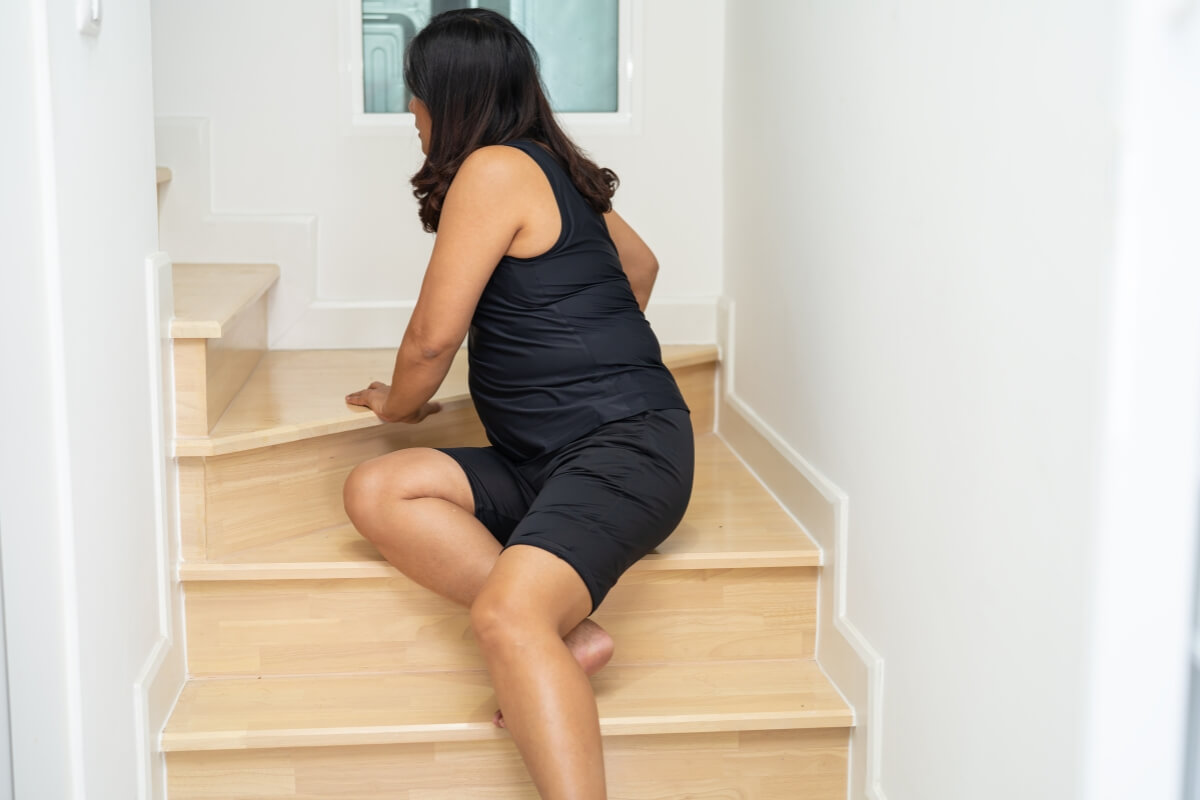
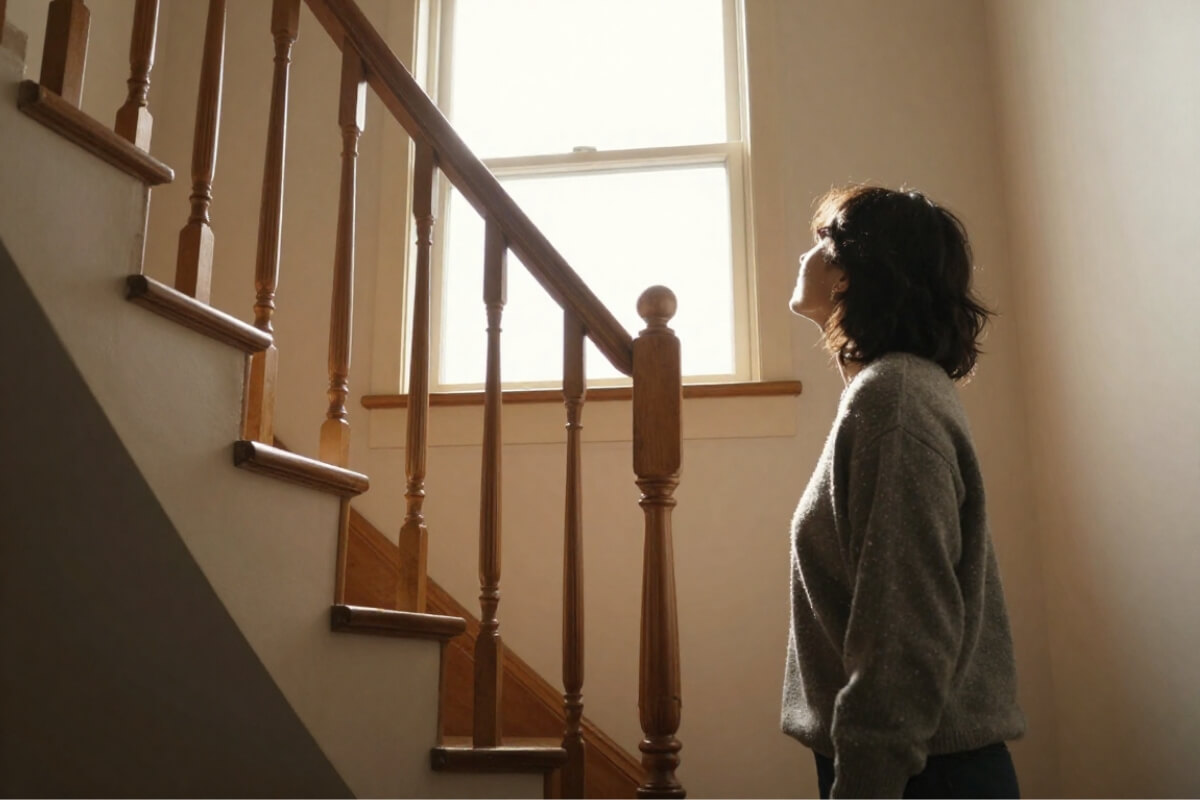
Noticing changes in a loved one’s mobility can be difficult. Perhaps they’re taking longer to get up from a chair, holding onto furniture when walking around the house or becoming less confident on the stairs. You may be concerned about their safety, but bringing up the subject can feel like you’re questioning their independence, and that’s often the tricky part. 

For someone experiencing mobility challenges, accepting that everyday activities are becoming more difficult can be emotional. The key is to approach the conversation with patience, empathy and respect, rather than making decisions on their behalf. 

Having a supportive conversation can be the first step towards finding practical ways to make life at home safer and more comfortable, while helping your loved one maintain as much independence as possible. 

Understanding Mobility Challenges and Why They Can Be Difficult to Talk About 

Mobility challenges can affect many aspects of everyday life, from walking and standing to getting in and out of chairs or using the stairs. 

For the person experiencing these challenges, these changes may be frustrating or upsetting. They may worry that admitting they are struggling means they will lose their independence or need more help than they would like. 

This can make conversations about mobility issues particularly sensitive. 

Rather than immediately suggesting solutions, start by trying to understand how your loved one feels. They may already be aware that certain activities are becoming more difficult, but simply haven’t felt ready to talk about them. 

Recognising the Signs of Mobility Challenges in a Loved One 
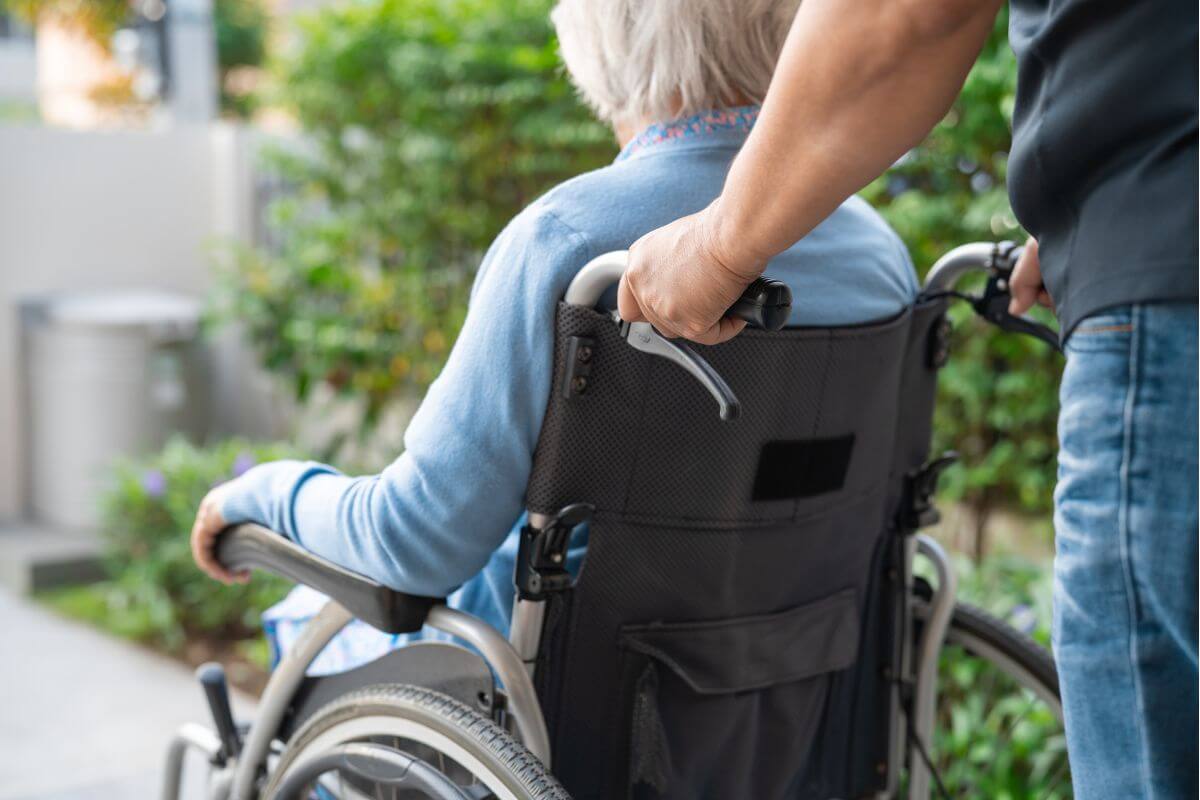
Rear view of a person pushing an elderly individual sitting in a wheelchair outdoors.

Mobility problems don’t always appear suddenly. Sometimes, small changes gradually become part of someone’s daily routine. 

You might notice that your loved one: 

  • Takes longer to walk around the house  
  • Holds onto furniture or walls for support  
  • Finds stairs increasingly difficult  
  • Relies more heavily on a walking aid  
  • Avoids going upstairs or leaving the house  
  • Appears less steady or confident when moving around  
  • Needs more assistance with everyday activities  

These changes don’t necessarily mean someone needs significant support, but they can be worth paying attention to, particularly if they are affecting their safety, comfort or quality of life. 

Choosing the Right Time and Place for the Conversation 

Timing can make a big difference. 

Rather than raising the subject immediately after a fall or during a stressful moment, choose a calm time when you can talk privately without interruptions. A familiar and comfortable setting may also help your loved one feel more at ease. 

Most importantly, don’t expect to solve everything in one conversation. 

Give them plenty of time to explain how they feel and resist the temptation to rush towards a solution. Sometimes, simply knowing that someone has noticed and is there to help can be enough to start with. 

How to Approach the Topic With Sensitivity and Care 

Close-up of two people holding hands across a table in a supportive, comforting gesture.

Remember, the language you use matters. 

Instead of focusing on what your loved one can no longer do, try asking open questions about how they are finding things. For example, you could ask whether they’ve been finding the stairs more difficult recently or whether they feel confident moving around the house. 

Listen to their answer without interrupting or immediately trying to correct them. 

It is also important to make the conversation collaborative. Your loved one should have a say in any decisions about their home, daily routine or mobility support. The goal is to help them feel more independent, not to take control away from them. 

Common Concerns and Emotional Reactions to Expect 

Don’t be surprised if your loved one doesn’t immediately agree that there is a problem. 

They may respond with frustration, embarrassment or even denial. They might also be worried about becoming dependent on others, changing their home or needing additional assistance. 

Try not to take this personally if they’re uncomfortable discussing their reduced mobility. Ensure you give them some space and return to the conversation later, as you don’t need to reach a decision during the first discussion. 

The important thing is to keep the door open. 

How to Offer Support Without Taking Away Independence 
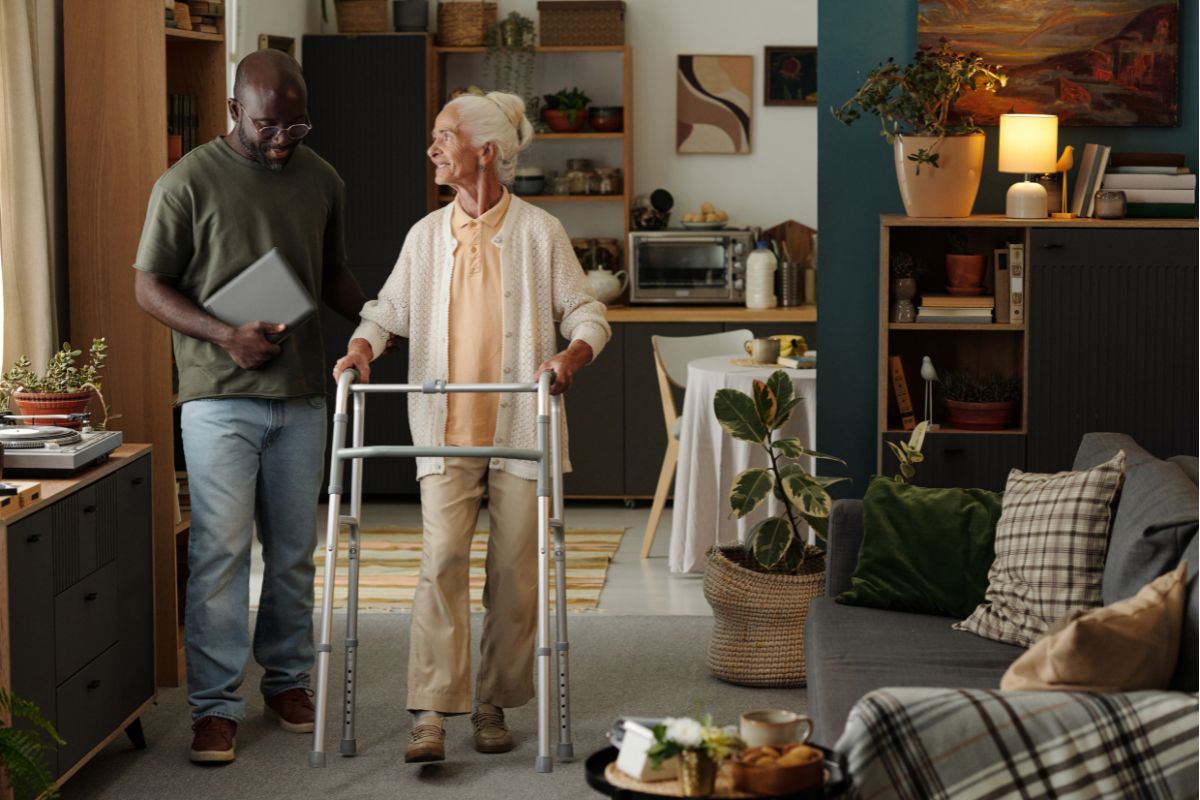
A man walking attentively beside an elderly woman who is using a metal walking frame indoors.

Offering support doesn’t have to mean doing everything for someone. 

In fact, the most useful support may be something that allows your loved one to continue doing things for themselves. Ask what they would find helpful rather than assuming you know what they need. 

This could be as simple as improving lighting, moving furniture to create clearer pathways or helping them find a walking aid that suits their needs. 

Small changes can sometimes make a surprisingly big difference to someone’s confidence. 

Practical Solutions That Can Help Improve Mobility at Home 

There are plenty of ways to make a home easier to navigate for someone experiencing mobility challenges. 

Improved lighting can make potential hazards easier to spot, while handrails can provide additional support in key areas. Removing loose rugs and other trip hazards can also make walking around the home safer. 

For someone who is finding the stairs particularly challenging, a stairlift could provide a practical way to move between floors without having to manage the stairs independently. 

The right solution will depend on the individual’s needs, the layout of the property and how their mobility is changing. It’s worth considering options based on what would genuinely make everyday life easier rather than simply choosing the most obvious adaptation. 

When to Seek Professional Advice or Home Adaptations 
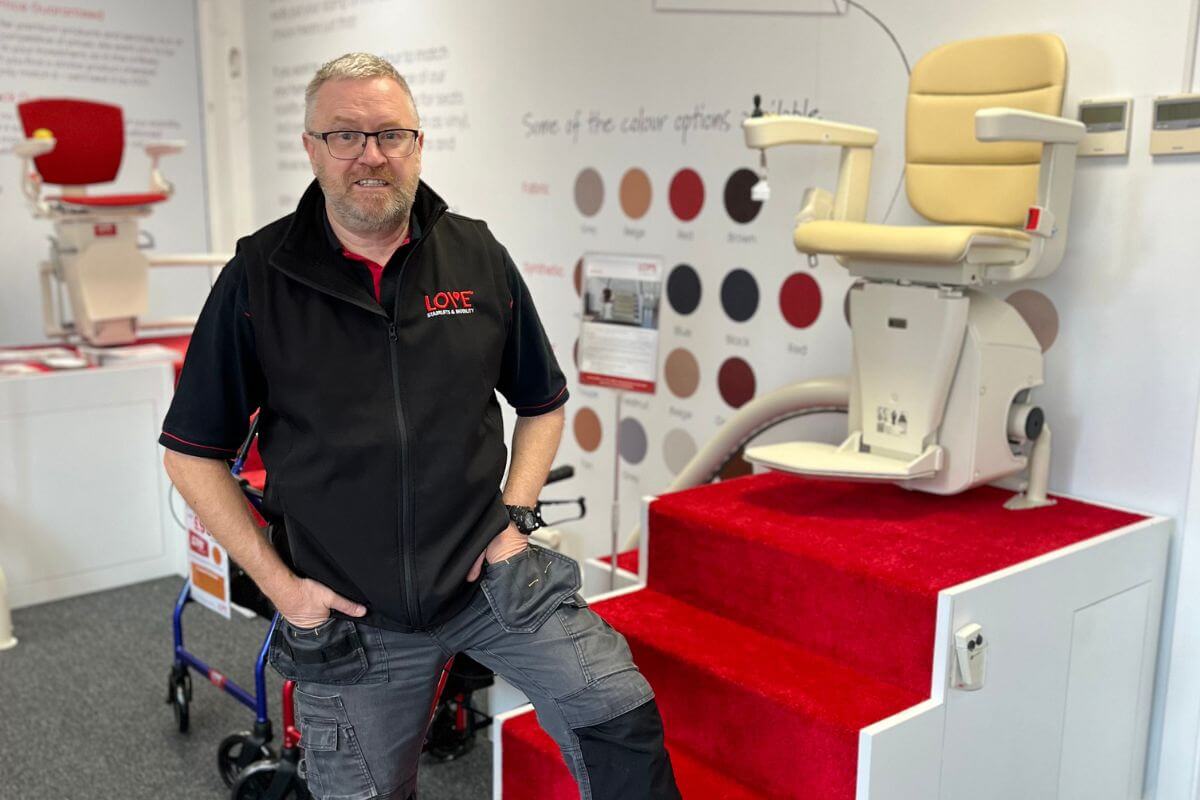
A man in a work jacket standing inside a showroom next to a stairlift demo unit mounted on red stairs.

If mobility difficulties are becoming more frequent, affecting everyday activities or accompanied by falls or significant changes in balance, it may be appropriate to seek professional advice. 

A healthcare professional can help assess concerns around mobility and balance, while a home assessment may identify areas where adaptations could improve safety and accessibility. 

It’s often helpful to explore potential solutions sooner rather than later. This gives your loved one time to consider their options without feeling as though a decision has suddenly been made for them. 

Above all, keep them involved throughout the process. 

Supporting Independence Through Better Mobility 

Talking about mobility challenges with someone you care about isn’t always easy, but it doesn’t have to be a difficult conversation either. Approaching the subject with empathy, patience and respect can help your loved one feel heard rather than judged. 

Experiencing mobility problems doesn’t automatically mean giving up independence. With the right support and practical adaptations, there may be ways to make everyday activities more comfortable while helping someone continue to live confidently at home. 

If mobility is beginning to affect your loved one’s daily life, contact our team at Love Stairlifts to discuss the options available. Our friendly team can provide advice on suitable stairlift solutions and help you understand what may work best for your loved one and their home. 
Can Your Future Home Support Stairlift Installation?

As our mobility needs change, everyday tasks like climbing the stairs can become more challenging. That’s why more homeowners and families are exploring stairlifts as a practical way to remain safe, comfortable and independent at home. 

One of the most common questions people ask is whether their home is actually suitable for a stairlift. It’s easy to assume that an older property, a narrow staircase or an unusual layout means installation isn’t possible, but that’s rarely the case. 

In reality, most homes can accommodate a suitable home stairlift, whether the staircase is straight, curved or somewhere in between. 

In this guide, we’ll explain how stairlift installation works, what factors influence the process and what you should consider before arranging a home assessment. 

What Stairlift Installation Involves 

The first step towards installing a stairlift is a professional home survey. 

During this visit, an experienced engineer will assess your staircase, take accurate measurements and discuss your mobility needs to recommend the most suitable solution. They’ll also answer any questions you may have and explain the options available. 

One of the biggest misconceptions is that stairlifts are attached to the wall. In fact, the rail is fitted securely to the staircase itself using specially designed brackets, meaning there’s usually no need for structural alterations or damage to your walls. 

Once the survey has been completed and your stairlift has been chosen, the installation can be arranged. While timescales vary depending on the type of stairlift required, many installations are completed within just a few hours, allowing you to begin using your stairlift the very same day. 

Can a Stairlift Be Installed in Any House? 

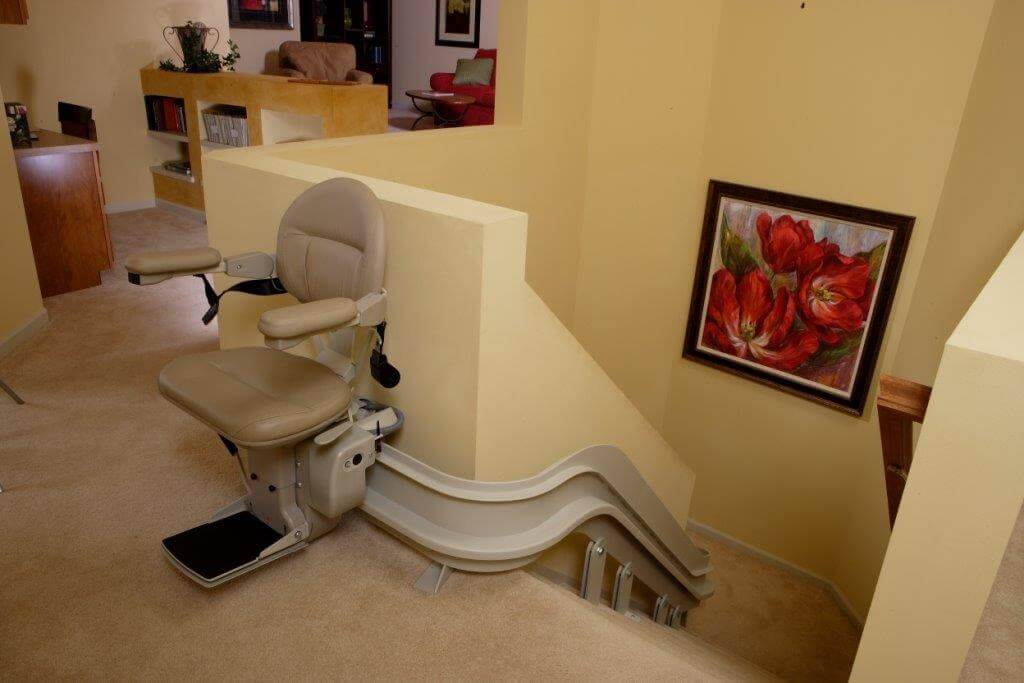
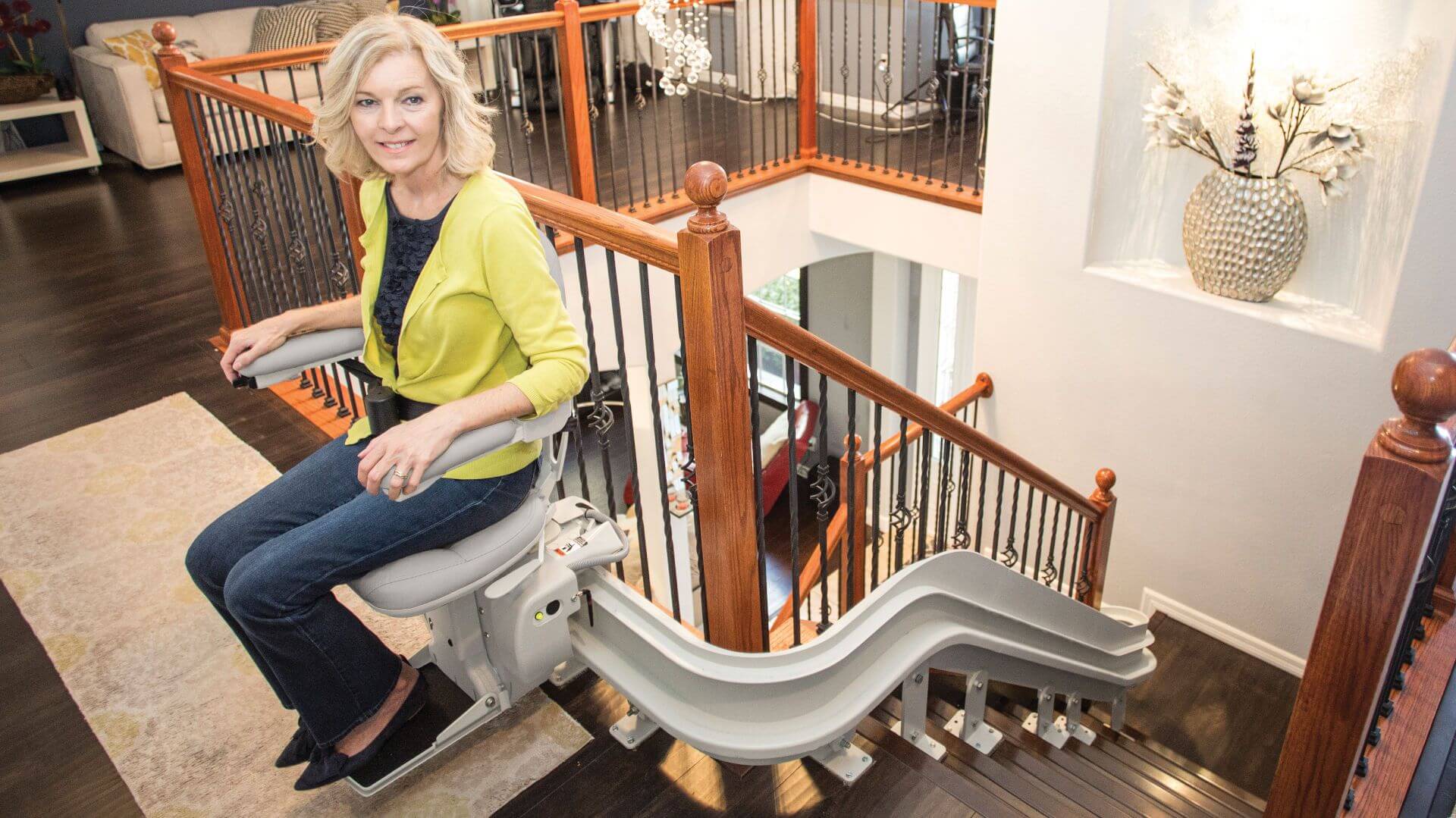
A curved stairlift parked at the bottom turn of a winding staircase, demonstrating a custom-fit rail.

The simple answer is that most homes are suitable for a stairlift. 

Whether you live in a modern new-build, a traditional family home or a period property, there is often a solution available that can be tailored to your staircase. 

Some homes may require a little more planning than others, particularly if the staircase includes multiple bends or limited space. However, the design of the staircase is generally far more important than the age of the property itself. 

The best way to determine what’s possible is by arranging a professional assessment. An experienced installer can identify the most suitable option and recommend any adjustments that may help maximise comfort and accessibility. 

Types of Homes Suitable for Stairlift Installation 

Stairlifts are installed in a wide variety of properties across the UK. 

Detached, semi-detached and terraced homes are all commonly fitted with stairlifts, with solutions available for both straight and more complex staircases. 

Bungalows with basements or split-level layouts can also benefit from stairlift installation where stairs are present. 

Many flats and maisonettes are suitable too, although permission may be required depending on the property’s ownership or management arrangements. 

Even listed buildings and older period homes can often accommodate a stairlift. Every property is unique, but specialist solutions are regularly installed in character properties without compromising their original features. 

Factors That Affect Stairlift Installation 

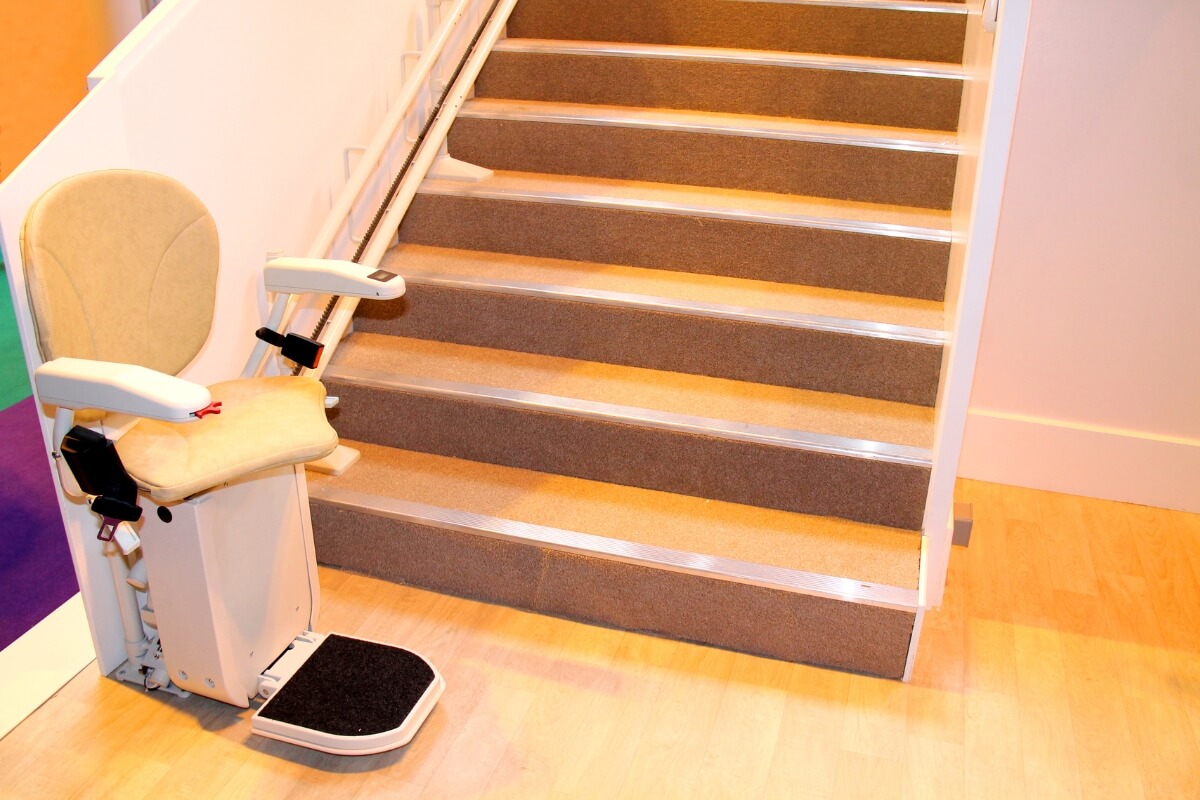
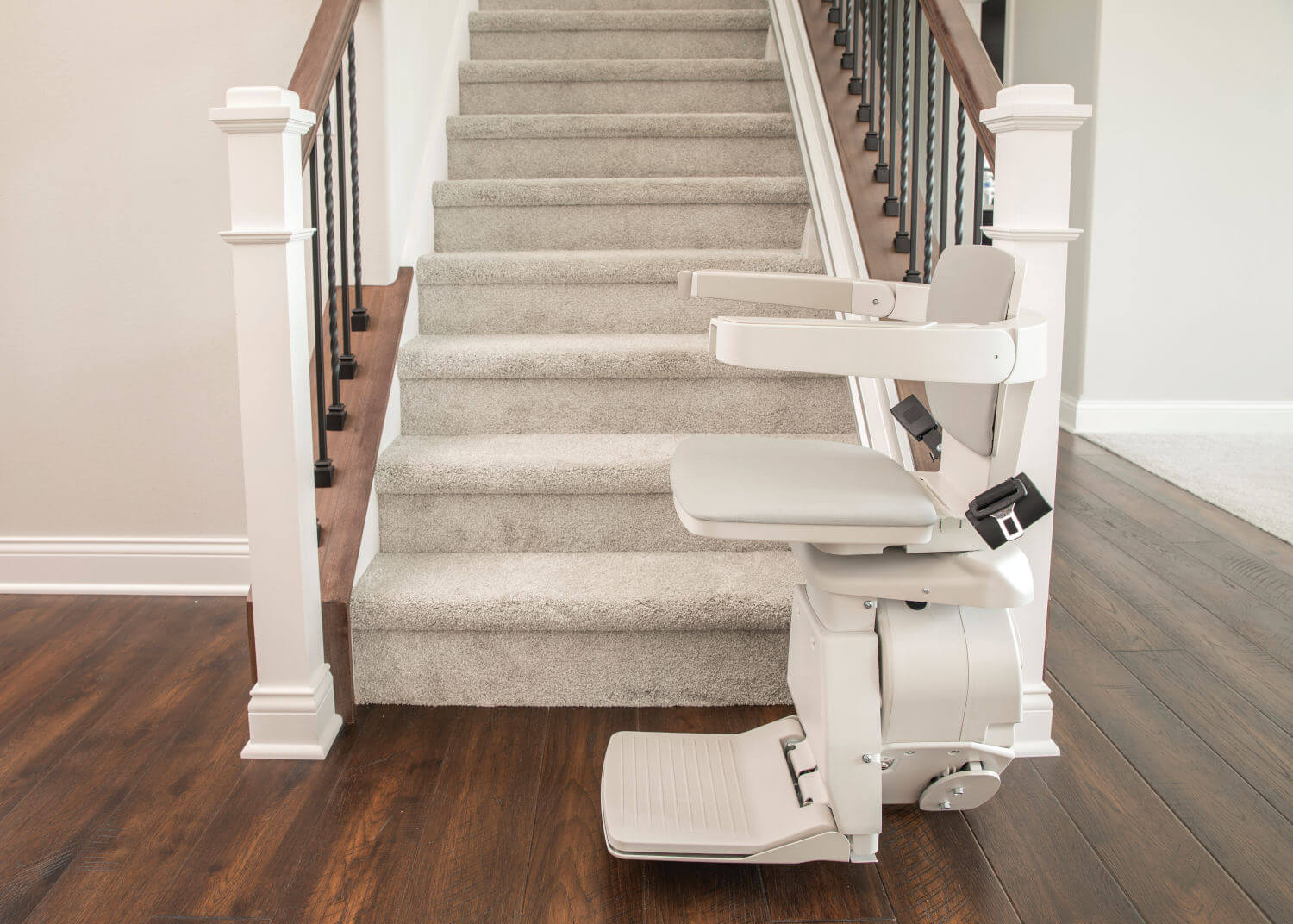
A cream-coloured stairlift parked at the bottom of a straight wooden staircase with a grey carpet runner.

While most staircases are suitable, several practical factors influence which stairlift is recommended. 

The width of the staircase is one of the first considerations. Installers need to ensure there’s enough space for the stairlift while allowing safe access for anyone walking on the stairs. 

The overall layout is equally important. Bends, corners, intermediate landings and changes in direction all influence the type of rail required. 

Engineers will also assess the condition of the staircase to ensure it provides a secure fixing for the rail. 

Other considerations include access to a suitable power supply and identifying convenient parking positions where the stairlift can be left when not in use without causing unnecessary obstruction. 

Straight vs Curved Stairlift Installation Requirements 

The shape of your staircase determines whether a straight stairlift or curved stairlift is required. 

A straight stairlift is designed for staircases that travel in one continuous line without any turns or intermediate landings. Because the rail is manufactured to standard dimensions, installation is often quicker and can usually be completed soon after the initial survey. 

curved stairlift is required where the staircase changes direction, includes bends or features one or more landings. 

Unlike straight models, every curved rail is individually manufactured to match the exact shape and measurements of your staircase. This creates a precise fit that allows the stairlift to travel smoothly around every corner while maintaining a comfortable ride. 

Although curved stairlifts typically take longer to manufacture, they provide an excellent solution for more complex staircases that many homeowners assume cannot accommodate a stairlift. 

How Much Space Is Needed for Stairlift Installation? 

A straight staircase with a metal rail installed along the side and the stairlift chair folded up at the top landing.

Many people worry that their staircase is too narrow, but modern stairlifts are designed to make the most of the available space. 

While every staircase is different, installers will assess whether the width meets the recommended requirements during the home survey. 

Most stairlifts include folding seats, footrests and armrests, allowing the lift to take up less room when not in use. This helps keep the staircase accessible for other members of the household. 

Parking options can also be discussed during the survey. Depending on the layout of your home, the stairlift may be positioned at the top or bottom of the staircase, or on a hinged rail where additional clearance is needed. 

Common Concerns About Stairlift Installation in Older Homes 

Older homes often raise additional questions, but they are frequently more suitable than homeowners expect. 

Narrow staircases are a common concern, yet many can still accommodate a carefully selected stairlift thanks to compact modern designs. 

Some homeowners also worry about damage to their property. Because stairlifts are fitted directly to the stairs rather than the wall, installation generally requires very little disruption to the surrounding décor. 

Uneven staircases or unusual layouts can usually be overcome with bespoke rail systems designed specifically for the property. 

In fact, many period homes and older properties across the UK successfully benefit from stairlift installation, allowing homeowners to remain independent without compromising the character of their home. 
What Buyers Should Consider Before Planning Stairlift Installation 

A close-up shot of a person in a dark suit handing a set of keys to another person. In the background on the desk, there is a miniature model house, a small blue toy car, a pen, and a signed contract.

Before making a decision, it’s always worth arranging a professional home assessment. 

This provides an accurate understanding of which stairlift is most suitable for your staircase while giving you the opportunity to discuss your current and future mobility needs. 

It’s also important to compare whether a straight or curved stairlift is the most appropriate solution, rather than focusing solely on price. 

Finally, choose an installer that offers more than simply stairlift fitting. Ongoing servicing, warranties and reliable aftercare can provide valuable peace of mind long after installation has been completed. 

Finding the Right Stairlift for Your Home 

Many homeowners are surprised to discover just how many properties are suitable for stairlift installation. Whether your staircase is straight, curved, narrow or located within an older property, there’s often a solution that can be designed to suit both your home and your individual mobility needs. 

A professional home assessment is the best way to understand your options, answer any questions and ensure the right stairlift is recommended for your circumstances. 

If you’re considering a home stairlift, the friendly team at Love Stairlifts is here to help. Contact us today to arrange a free home survey and discover the solution that’s right for you and your home. 
Stairlift Service: Does Your Stairlift Need One?

For many people, a stairlift is more than just a piece of equipment. It is an essential mobility aid that helps them move safely and comfortably around their home every day. 

Like any mechanical system, stairlifts experience wear and tear over time. While they are built to be reliable and durable, regular servicing plays an important role in keeping them operating safely and efficiently. The challenge is that some maintenance issues develop gradually, meaning they are not always immediately obvious to the user. 

Whether your stairlift is used occasionally or multiple times each day, understanding when servicing may be required can help prevent unexpected problems and maintain peace of mind.  


Why Regular Stairlift Maintenance Is Important 

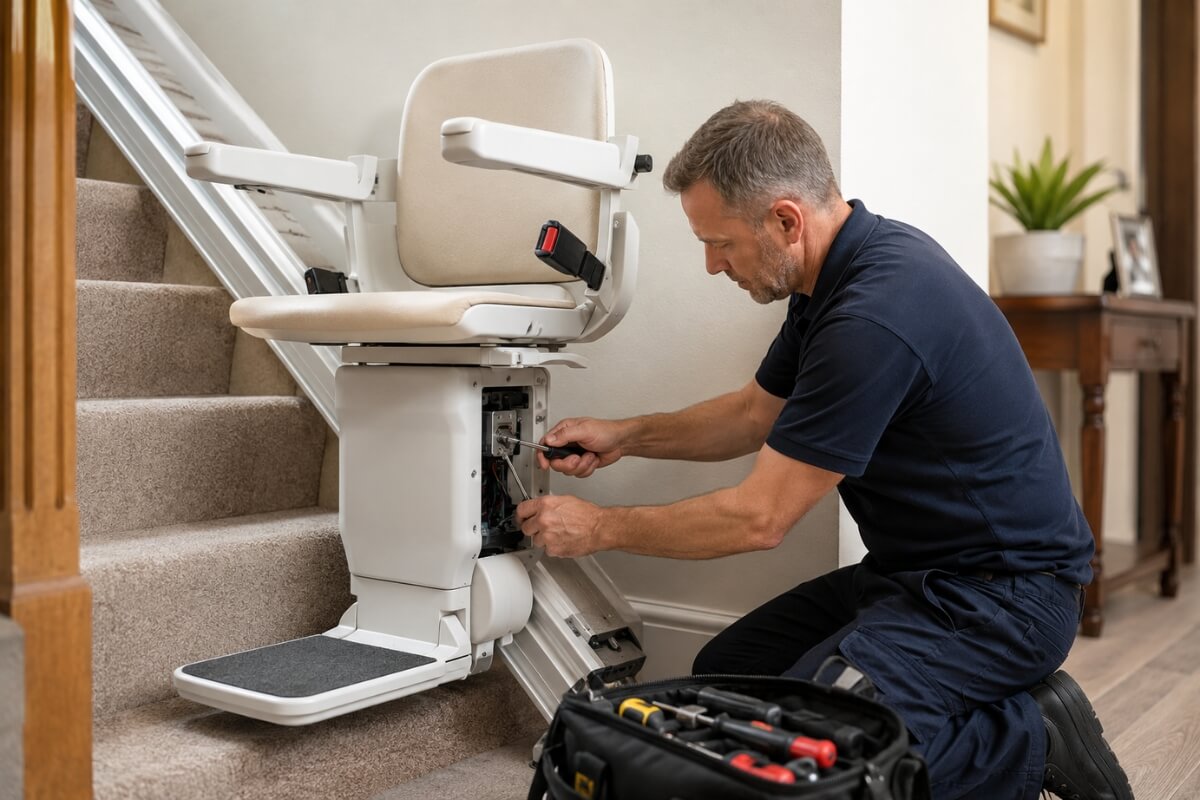
A technician kneeling on the floor next to a stairlift at the bottom of a staircase, using a tool to repair or service the internal components of the base unit.

A stairlift contains a range of moving parts, electrical components and safety features that work together to provide a smooth and secure journey up and down the stairs. 

Regular stairlift servicing helps ensure these components continue to perform as intended. During a service, an engineer can inspect key areas of the lift, identify signs of wear and make adjustments before small issues develop into larger problems. 

One of the biggest benefits of routine stairlift maintenance is reliability. Many users depend on their stairlift daily, so unexpected breakdowns can be disruptive and stressful. Scheduled maintenance helps reduce the likelihood of faults and keeps the lift operating consistently. 

Servicing also helps maintain important safety features. Sensors, seatbelts, charging systems and control mechanisms should all be checked periodically to ensure they are functioning correctly. Stairlift safety checks help provide reassurance that the equipment remains safe for everyday use. 

In many cases, preventative maintenance is far more convenient and cost-effective than arranging emergency stairlift repairs after a breakdown has already occurred. 


Signs Your Stairlift Might Need a Service 

Even if your stairlift is still working, there may be subtle signs that indicate maintenance is required. 

One common warning sign is unusual noises. If you notice grinding, clicking, rattling or squeaking sounds during operation, it could indicate that certain components need adjustment or inspection. 

Changes in performance can also suggest a service is due. A stairlift that moves more slowly than normal, stops unexpectedly or feels less smooth during travel may benefit from professional attention. 

Many modern stairlifts include warning lights or display panels that alert users to potential faults. If you notice flashing indicators, error messages or unexpected alerts, it is worth arranging an inspection rather than ignoring the issue. 

The controls should also respond consistently. If remote controls become unreliable or buttons occasionally fail to respond, the system may require servicing. 

Visible signs of wear should never be overlooked either. Damaged upholstery, loose fittings, worn armrests or concerns with the rail system can all indicate that maintenance is needed. 

Battery-related issues can also occur over time. If your stairlift struggles to hold charge or appears to stop unexpectedly during use, the batteries or charging system may need professional assessment. 


How Often Should Stairlifts Be Serviced? 

A cream-coloured stairlift parked at the base of a carpeted wooden staircase with a silver metal track running along the side wall.

The recommended servicing schedule can vary depending on the manufacturer, model and frequency of use. 

Many manufacturers recommend arranging stairlift servicing at least once a year. Annual servicing allows engineers to perform comprehensive inspections, test safety systems and ensure all components are functioning correctly. 

However, households that use their stairlift frequently may benefit from more regular maintenance. A stairlift that is used numerous times every day naturally experiences greater wear than one used occasionally. 

It is also important to review any warranty documentation or service agreements that accompany the stairlift. Some warranties may require regular servicing to remain valid. 

Environmental factors can sometimes influence maintenance requirements too. For example, outdoor stairlifts are exposed to changing weather conditions and may require additional inspections to maintain optimal performance. 

If you are unsure how often your stairlift should be serviced, consulting a professional stairlift provider can help you establish an appropriate maintenance schedule based on your specific model and usage patterns. 


Benefits of Professional Stairlift Servicing 

While there are a few simple checks users can carry out themselves, professional servicing offers a far more thorough assessment of the equipment. 

Experienced engineers understand how different stairlift models operate and know what signs of wear to look for. They can often identify developing issues before they become noticeable to the user. 

A professional service typically includes detailed stairlift safety checks, inspection of electrical components, testing of batteries and charging systems, examination of moving parts and assessment of overall performance. 

This proactive approach helps maintain reliability and can reduce the risk of unexpected breakdowns. 

Professional servicing may also help extend the working life of the stairlift. By keeping components properly adjusted and addressing minor issues early, unnecessary strain on the system can often be avoided. 

For users who rely on their stairlift every day, the reassurance provided by regular servicing is invaluable. Knowing the equipment has been inspected by a qualified engineer can provide confidence that it will continue to operate safely and effectively. 

In the long term, preventative stairlift maintenance can often prove more economical than waiting until a major repair becomes necessary. 


Common Misconceptions About Stairlift Maintenance 

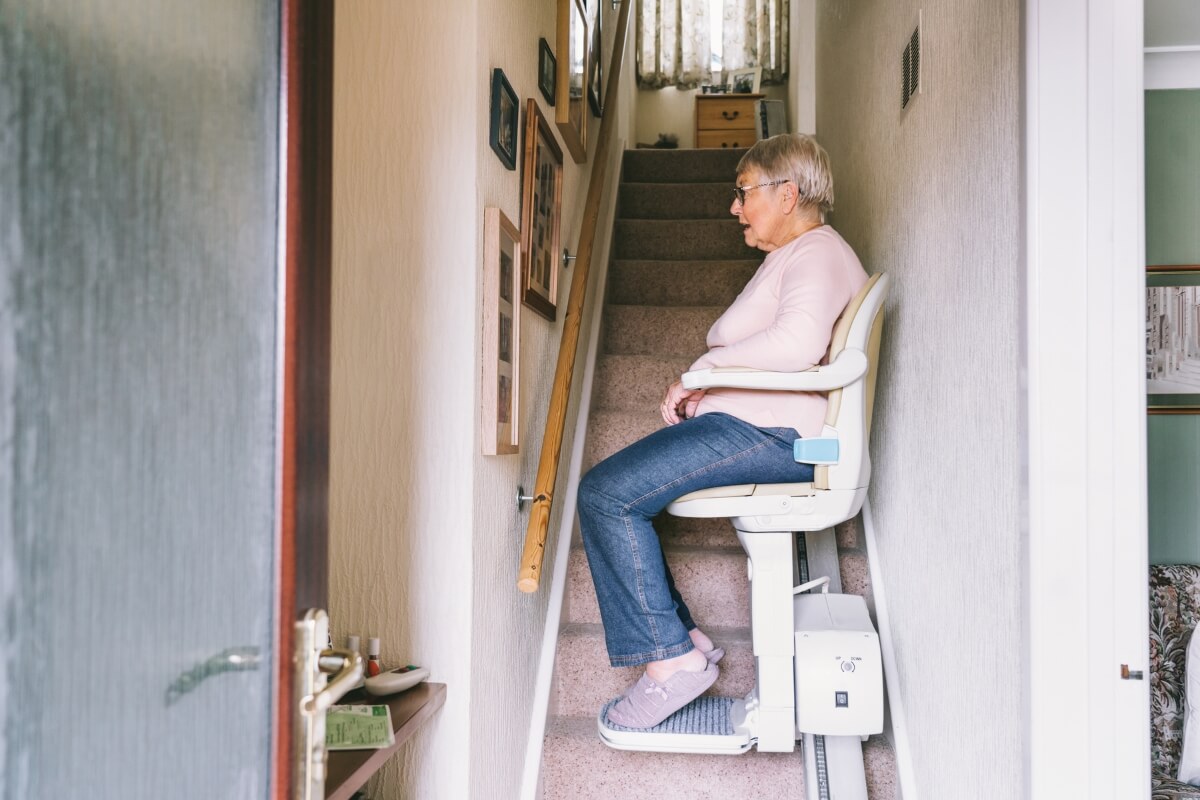
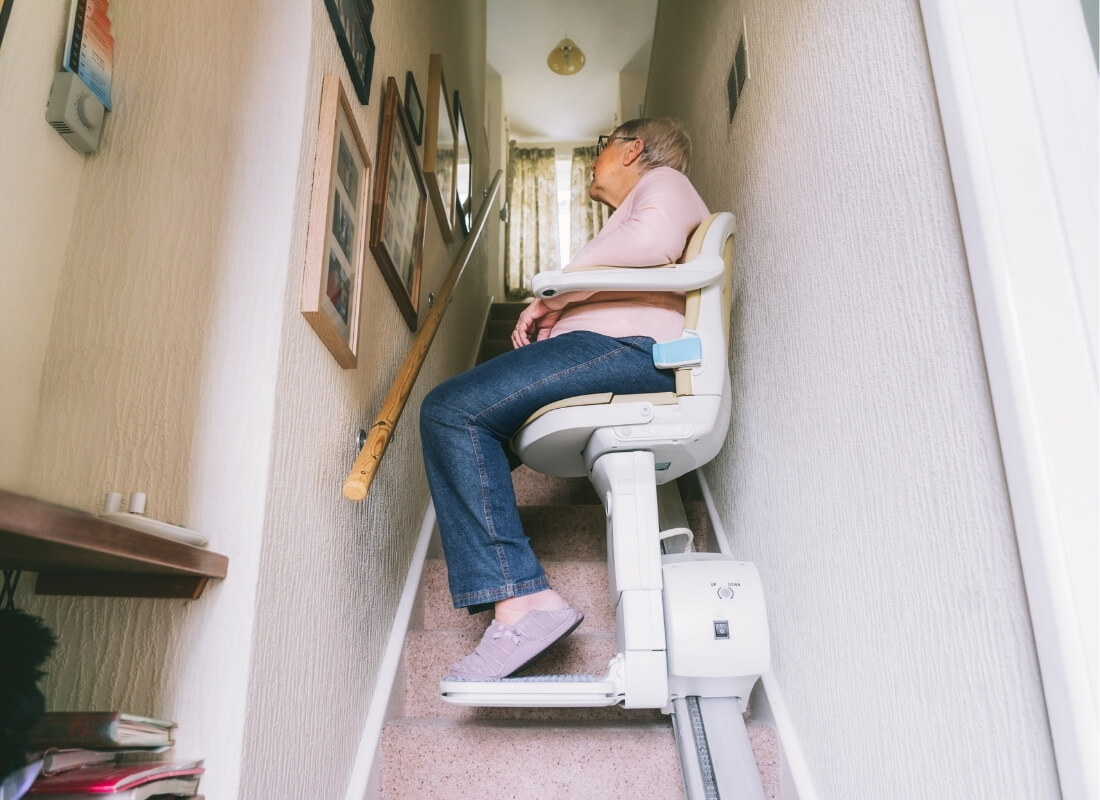
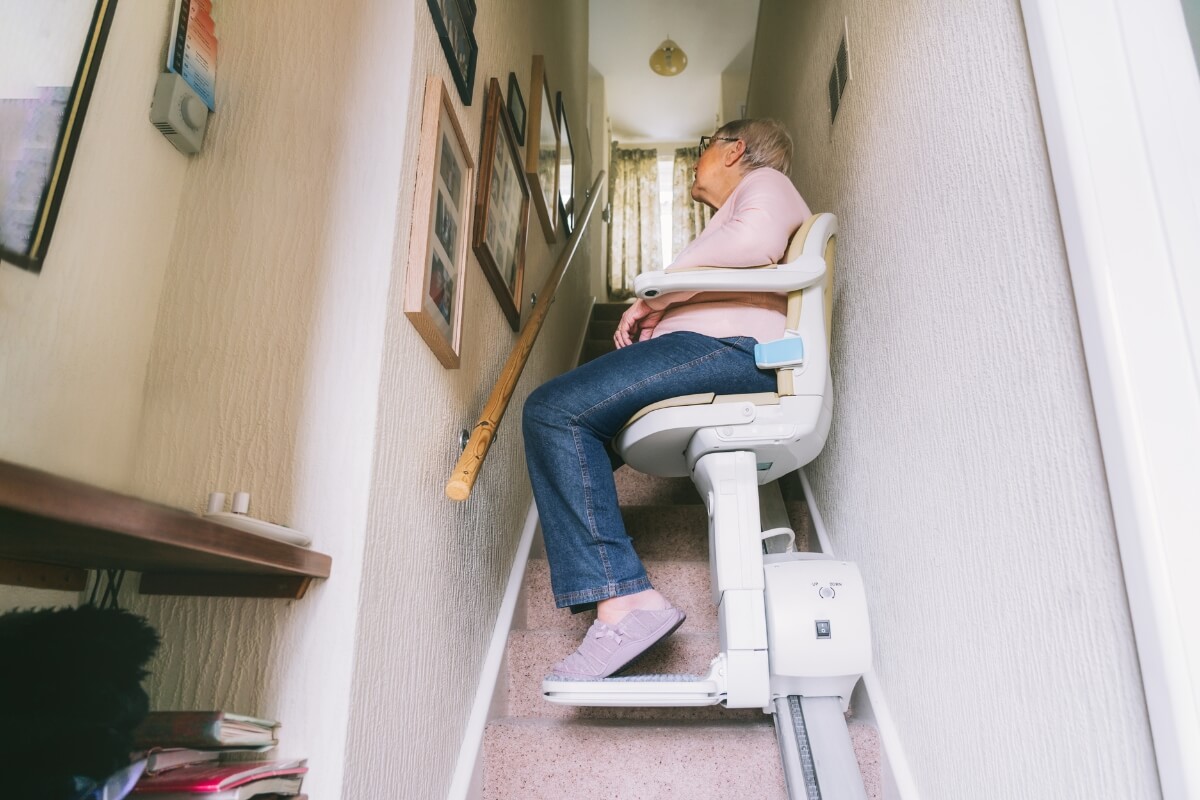
An elderly woman sitting on a white and cream motorised stairlift, riding up a narrow, carpeted staircase inside a home.
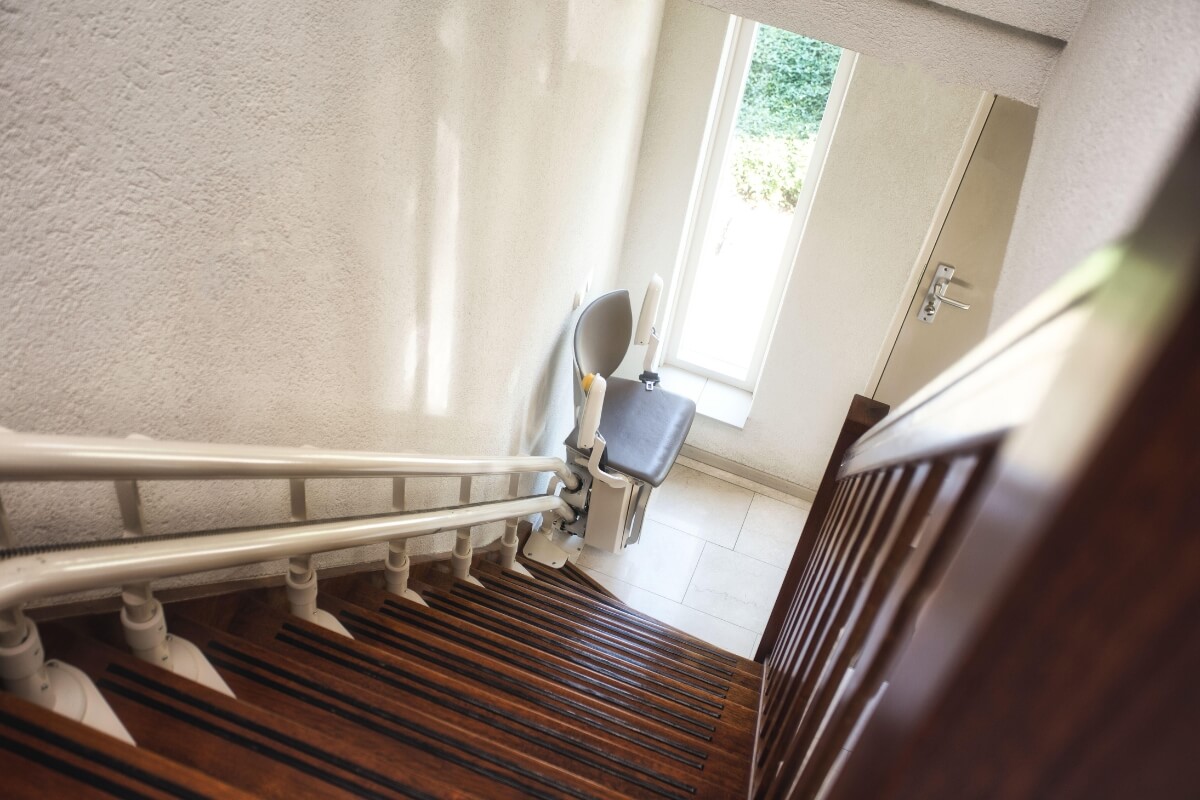
There are several common misunderstandings surrounding stairlift servicing. 

One of the most common is the belief that a stairlift only needs attention when something goes wrong. In reality, preventative maintenance is designed to identify potential issues before they cause noticeable problems. 

Another misconception is that a stairlift that appears to be working perfectly does not require servicing. However, many mechanical and electrical issues develop gradually and may not affect performance until they become more serious. 

Some people also assume that servicing is an unnecessary expense. While there is a cost involved, regular maintenance can often help avoid more significant repair bills later by identifying faults early. 

There is also a belief that all maintenance tasks can be carried out without professional assistance. While users can keep the stairlift clean and report any unusual behaviour, many internal components require specialist knowledge, tools and testing procedures. 

Attempting complex repairs without the appropriate expertise may create additional problems and could compromise safety. 

Professional stairlift servicing remains the safest and most effective way to ensure the equipment continues operating as intended. 


Regular stairlift servicing is an important part of maintaining safe, reliable mobility within the home. While stairlifts are designed to provide years of dependable use, routine maintenance helps identify wear and tear before it develops into more serious issues. 
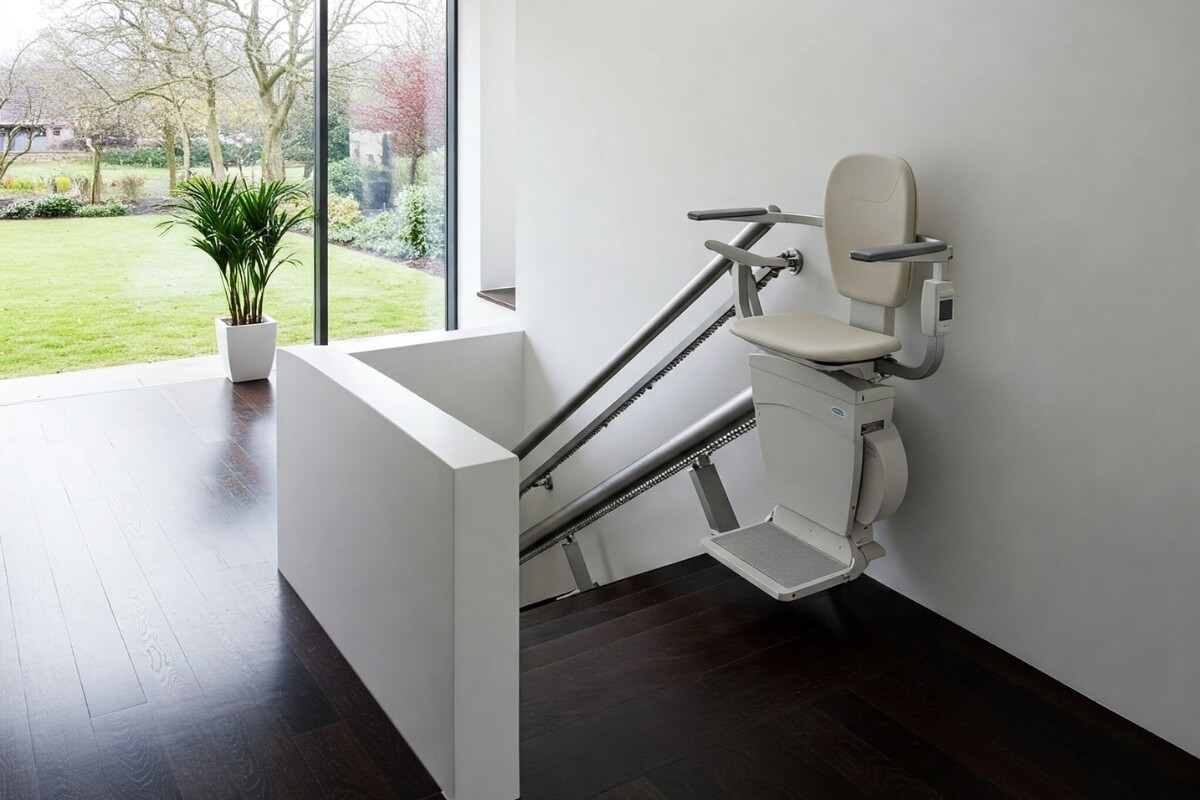
Paying attention to warning signs such as unusual noises, performance changes or charging problems can help ensure any concerns are addressed quickly. Combined with regular professional inspections, this proactive approach supports both safety and long-term reliability. 

If it has been some time since your last stairlift service, or you have noticed changes in how your lift operates, now may be the ideal time to arrange a professional inspection. A well-maintained stairlift can continue providing the comfort, confidence and independence that so many people rely on every day. 

Need expert advice or looking to arrange a stairlift service? Contact the team at Love Stairlifts today to discuss your servicing requirements and help keep your stairlift operating at its best. 


How Fast Do Stairlifts Go?

For people considering a stairlift, one of the most common questions is surprisingly simple. How fast do stairlifts go? 

It is an understandable concern. Whether you are researching options for yourself or a loved one, you want to know what to expect from a stairlift before deciding. Some people worry that a stairlift might move too slowly and be inconvenient, while others are concerned that it could travel too quickly and feel unsafe. 

The reality is that stairlifts are designed with comfort and safety as the priority. Rather than focusing on speed, manufacturers aim to create a smooth and controlled journey that helps users move confidently between floors. 


What Is a Stairlift? 

Elite Curved Stairlift

A stairlift is a mobility aid designed to help people travel safely up and down stairs. It consists of a chair attached to a rail that is fitted directly to the staircase. Using simple controls, the user can travel between floors without needing to climb the stairs themselves. 

Most stairlifts include a motor, seat, footrest, armrests and easy to operate controls. Modern models also feature a range of safety functions designed to provide a secure and comfortable experience. 

Residential stairlifts are commonly used by older adults, people recovering from injury and individuals with mobility conditions that make using stairs difficult. They can be installed in many different types of homes and often allow people to remain independent for longer. 

For many users, a stairlift provides reassurance as well as convenience. Instead of worrying about navigating stairs each day, they can continue accessing every part of their home safely and comfortably. 


Understanding Stairlift Speed 

When discussing stairlift speed, it is important to understand that these products are not designed to travel quickly. Instead, they are designed to provide safe and controlled movement. 

Most residential stairlifts travel at a steady pace that allows users to feel secure throughout the journey. While exact speeds vary between manufacturers and models, stairlifts generally move at a similar rate because they are built to comply with safety standards. 

Manufacturers carefully balance speed with comfort. A stairlift that moved too quickly could feel unsettling, particularly for users who have limited mobility or balance concerns. A controlled pace allows users to sit comfortably and feel confident throughout the journey. 

The design of the staircase may also have a small impact on operation. Straight staircases often allow for simple, uninterrupted travel, while more complex layouts may require slight adjustments as the stairlift moves around bends and corners. 

Although some people assume stairlifts are slow, most journeys only take a short amount of time. For users, the benefit of safe and reliable travel far outweighs the need to save a few extra seconds. 


Different Types of Stairlifts 

Rental Straight Stairlift

Not all stairlifts are the same and the right option will depend largely on the layout of your home and your individual mobility needs. Modern stairlifts are designed to work with a wide range of staircase configurations, from simple straight flights to more complex curved and outdoor installations.  

While the overall stairlift speed remains focused on safety and comfort, different models may operate slightly differently depending on the route they need to travel and the features they include. Understanding the main types of stairlifts available can help you identify which solution is best suited to your property. 


Straight Stairlifts 

Straight stairlifts are fitted to staircases that run directly from one floor to another without any turns, bends or intermediate landings. 

These are among the most common and straightforward stairlift installations. The rail follows a straight path, allowing the stairlift to travel smoothly between levels. 

Because there are no corners to navigate, journey times are often very predictable. Operating speeds tend to be consistent across most models, providing a comfortable and reliable experience for users. 

Straight stairlifts are often quicker to install than more complex systems, making them a popular choice for many homeowners. 


Curved Stairlifts 

Curved stairlifts are designed for staircases that include bends, turns or multiple landings. 

Unlike straight models, curved stairlifts require a custom rail that follows the exact shape of the staircase. This allows the stairlift to move safely around corners while maintaining a smooth journey. 

As the stairlift navigates bends, movement may feel slightly different compared to a straight staircase. However, the system is carefully designed to ensure comfort and stability throughout the journey. 

A curved stairlift offers an effective solution for homes with more complex staircase layouts, allowing users to enjoy the same benefits of accessibility and independence. 


Rental Stairlifts 

For some households, purchasing a stairlift outright may not be the most suitable option. Rental stairlifts can provide a practical solution for people with short term mobility needs, those recovering from surgery, or families looking for a more flexible arrangement. 

Most rental options are available for straight staircases, although some providers may offer rental solutions for certain curved installations. The stairlift itself operates in the same way as a purchased model, offering the same focus on comfort, reliability and stairlift safety. 

Renting can be an effective way to improve accessibility without the larger upfront investment associated with ownership. If mobility needs are expected to change over time, a rental stairlift may offer greater flexibility while still providing safe and comfortable travel between floors. 


Why Speed Matters 

While many people focus on how fast do stairlifts go, the more important question is why speed is carefully controlled in the first place. 

The answer comes down to user experience. A stairlift should help people feel safe and confident while travelling between floors. Excessive speed could create discomfort, particularly for users who may already feel nervous about using the stairs. 

Modern stairlifts are designed with smooth starts and gentle stops. Rather than sudden movements, they accelerate gradually and come to a controlled stop when reaching their destination. This helps create a more comfortable ride and reduces unnecessary strain on the user. 

Safety systems also play an important role. Stairlifts include features such as obstruction sensors, seatbelts and emergency stop functions that work together to support safe operation. 

Manufacturers spend significant time testing and refining their products to ensure they meet strict safety requirements. This means users can rely on a stairlift to provide consistent performance while prioritising comfort and security. 

For most people, confidence and reliability are far more important than travelling a few seconds faster. 


Common Misconceptions About Stairlift Speed 

Elite Curved Stairlift

One common misconception is that stairlifts move extremely slowly. 

While stairlifts are not designed to travel quickly, most journeys are completed in a relatively short amount of time. Many users find that travelling between floors takes less time than they expected. 

Another misunderstanding is that a faster stairlift would automatically be better. In reality, increasing speed could reduce comfort and make the experience feel less secure. Controlled movement is often much more important than rapid travel. 

Some people also assume that modern stairlifts operate differently depending on the manufacturer. While there can be small differences between models, most stairlifts are designed to operate within similar speed ranges because safety standards influence how they are built. 

There is also a belief that larger staircases require significantly faster stairlifts. In practice, manufacturers focus on maintaining consistent performance regardless of staircase length, ensuring users receive the same safe and comfortable experience. 


When researching stairlift speed, it is important to remember that comfort and safety are always the main priorities. Residential stairlifts are designed to travel at a controlled pace that allows users to move confidently between floors without feeling rushed or uncomfortable. 

Whether you are considering a straight, curved or outdoor model, modern stairlifts are engineered to provide smooth and reliable operation while supporting independence at home. While different types of stairlifts may have slightly different characteristics, they all share the same goal of helping users move safely around their property. 
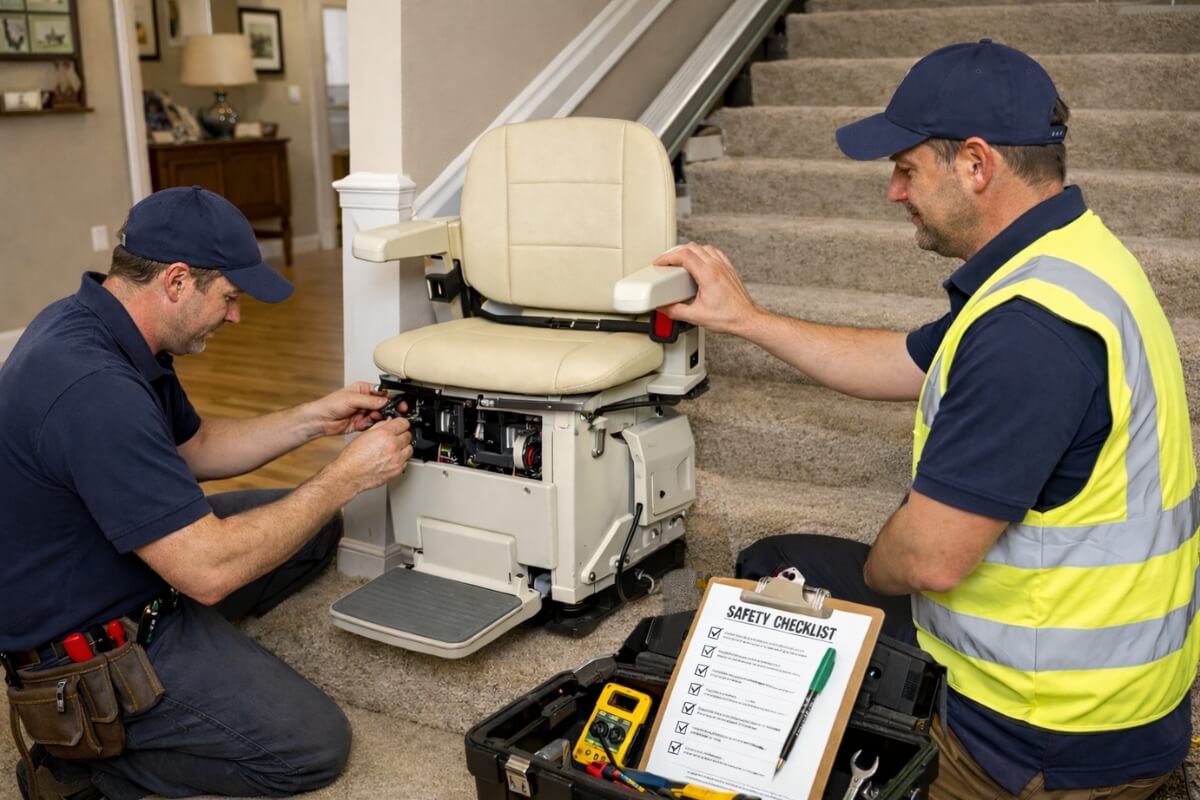
If you would like advice on choosing the right stairlift for your home, contact the team at Love Stairlifts today. Our experienced specialists can arrange a free home survey and help you find a solution that suits both your staircase and your mobility needs. 

Creating an Accessible Home: Adaptations for the Elderly and Disabled

Creating a safe and comfortable home is important for everyone, but it becomes even more important as mobility changes over time. For older adults and disabled individuals, everyday tasks such as moving between rooms, using the bathroom, or preparing meals can become more difficult without the right support in place. 
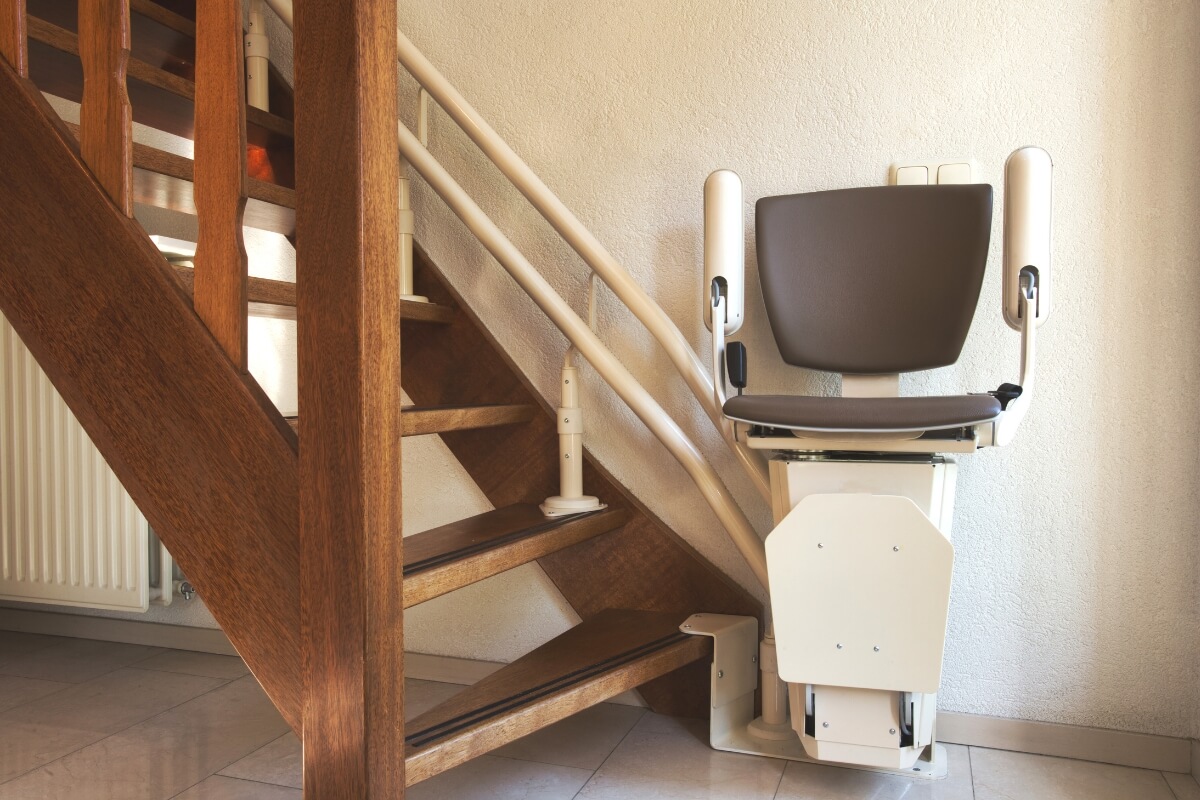
Accessible home adaptations help reduce risk while making daily life easier and more manageable. Small changes can improve confidence, support independence and allow people to remain in their own homes for longer. 

This guide covers key areas of the home where simple and practical changes can make a real difference. From bathroom safety modifications to stairlift installation, these ideas can be adapted to suit a wide range of needs and living spaces. 


Why Accessibility Matters in the Home 

The way a home is set up has a direct impact on safety and independence. Narrow spaces, uneven flooring and poor layout can make moving around difficult, especially for those with reduced mobility. 

Common risks include slips, trips and falls, particularly in areas such as bathrooms, stairs and hallways. These risks can increase if the home has not been adapted to suit changing physical needs. 

Planning accessible home adaptations early allows changes to be made before problems arise. This helps avoid urgent situations and creates a more comfortable living environment. A well-adapted home supports daily routines and gives people greater confidence in moving around safely. 


Assessing Individual Mobility Needs 

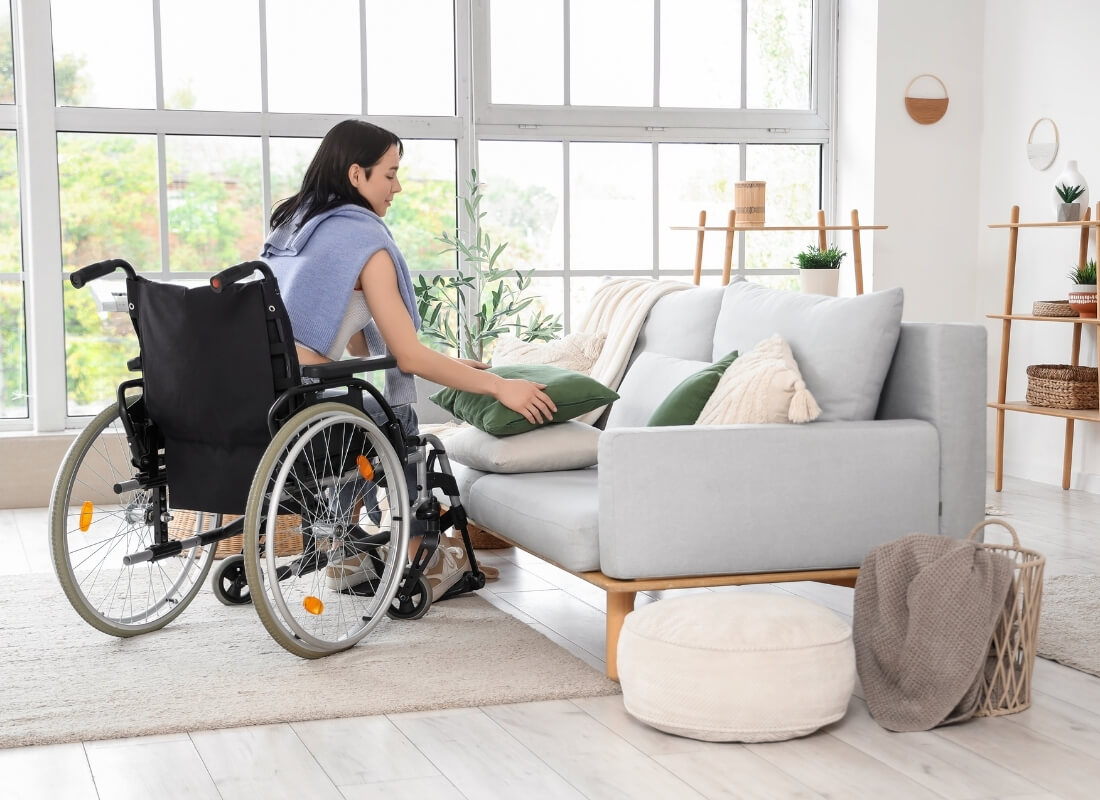
A woman in a wheelchair adjusting a green pillow on a light grey sofa in a bright living room.

Every person’s needs are different, which means no single solution will suit everyone. Some individuals may use walking aids, while others may rely on wheelchairs or require additional support due to reduced strength or balance. 

It can be helpful to look at daily tasks that feel difficult or unsafe. This may include climbing stairs, getting in and out of the bath, or reaching items in the kitchen. Identifying these challenges helps guide the type of home modifications elderly households may need. 

In some cases, a professional assessment can provide valuable guidance. Occupational therapists or mobility specialists can suggest practical changes that match individual needs and living arrangements. 


Bathroom Adaptations for Safety 

The bathroom is one of the most important areas to consider when making changes. Slippery surfaces and limited space can increase the risk of falls. 

Walk-in showers or level-access options make it easier to enter and exit without stepping over a high edge. These are often preferred over traditional baths, especially for those with limited mobility. 

Adding grab rails near the shower, toilet and sink provides extra support when moving around. Non-slip flooring helps reduce the chance of slipping, while raised toilet seats and shower chairs can improve comfort and ease of use. 

Good layout is also key. Making sure there is enough space to move safely, especially for those using mobility aids, can make a significant difference in daily use. 


Improving Accessibility in Living Areas 

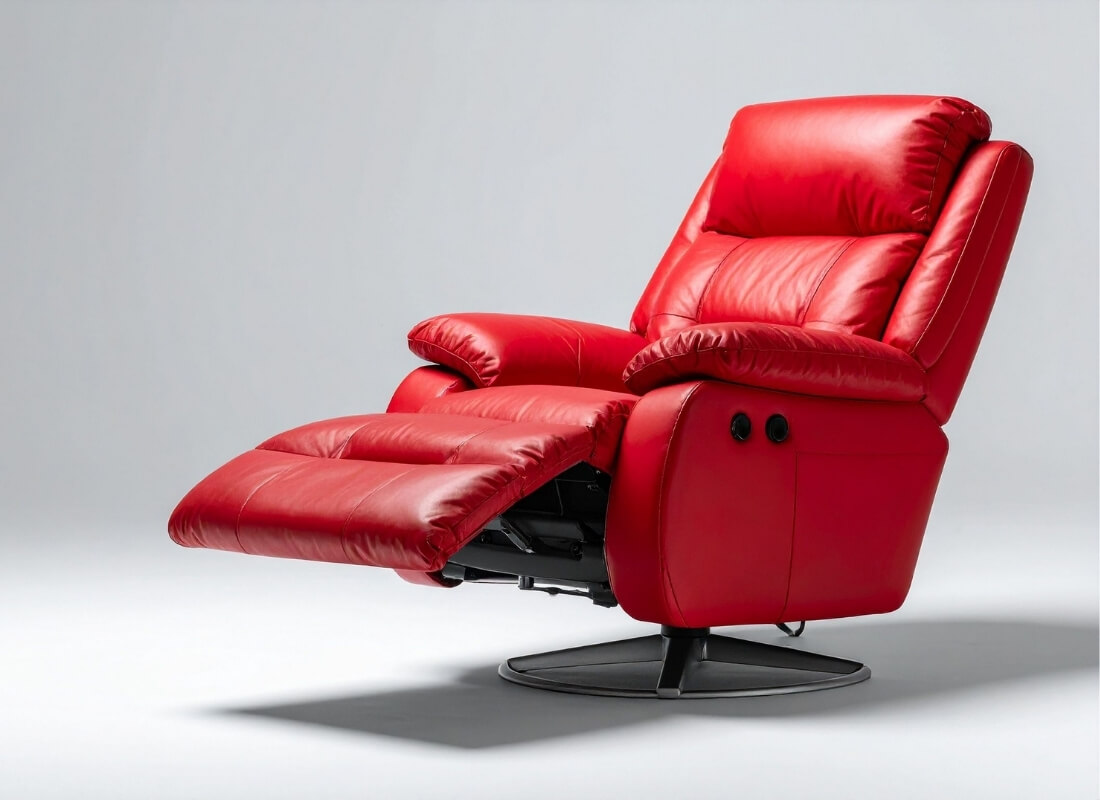
A modern red leather recliner chair shown in a fully reclined position against a white background.

Living areas should feel open, safe and easy to move around in. Simple changes such as repositioning furniture can create clearer pathways and reduce the risk of trips. 

Loose rugs, trailing cables and clutter can all become hazards, so removing or securing these items is an important step. Creating wider walkways supports the use of walking aids and wheelchairs. 

Seating also plays a role in comfort and safety. Chairs that are too low or too soft can make it difficult to stand up. Supportive seating options such as riser recliner chairs can help reduce strain and improve posture. 

These types of disability home improvements allow individuals to move more freely and feel more confident within their living space. 


Kitchen Modifications for Ease of Use 

The kitchen is another area where small adjustments can improve day to day living. Reaching, bending and lifting can become more challenging, so it is important to keep essential items within easy reach. 

Lowered worktops and accessible storage make food preparation more manageable. Cupboards with pull out shelves or baskets can help reduce the need to stretch or bend. 

Lever style taps and easy grip handles are often easier to use than traditional fittings. Appliances should be placed at a height that reduces strain, allowing safer and more comfortable use. 

Keeping frequently used items organised and close by can also make daily tasks quicker and less tiring. 


Installing Ramps and Stairlifts 

An elderly person sitting on a motorized stairlift while ascending a carpeted staircase in a home.

For homes with steps or multiple levels, access can become a challenge. Ramps provide a simple solution for entrances, allowing easier movement in and out of the home without steps. 

Inside the home, stairlift installation can offer a reliable way to move between floors. Stairlifts are designed to provide a smooth and secure ride, helping users remain independent in their own home. 

Most stairlifts include safety features such as seat belts, secure armrests and easy to use controls. Choosing the right option depends on the layout of the staircase and the specific needs of the user. 

Professional fitting ensures the equipment is installed correctly and safely, giving peace of mind for both the user and their family. 


Lighting and Flooring Considerations 

Good lighting is essential in every part of the home. Bright, even lighting helps improve visibility and reduces the risk of accidents. 

Motion sensor lighting can be especially useful in hallways and bathrooms, providing light automatically during the night. This removes the need to search for switches in the dark. 

Flooring should be chosen carefully. Non-slip surfaces reduce the chance of falls, while low glare finishes help prevent visual confusion. Using contrast between floors and walls can also make it easier to see edges and changes in level. 


Smart Technology for Accessibility 

Technology can support everyday tasks and make the home easier to manage. Voice controlled devices allow users to control lights, heating and other features without needing to move around. 

Remote controls and simple systems can reduce physical effort, making daily routines more comfortable. Emergency alert systems provide added reassurance, allowing users to call for help if needed. 

These solutions do not need to be complex. Even small additions can reduce strain and improve safety within the home. 


Creating an accessible home does not always require major changes. Small, practical adjustments can make a meaningful difference to safety, comfort and independence. 

By looking at key areas such as the bathroom, kitchen and living spaces, it becomes easier to identify where improvements are needed. Considering multiple areas of the home together helps create a more supportive environment overall. 

For larger adaptations, seeking professional advice can ensure the right solutions are put in place. With the right approach, a home can continue to support daily life in a safe and comfortable way. 

If you are considering making your home more accessible, contact Love Stairlifts today to speak with a member of the team and find the right solution for your needs. 


Stairlift Not Working? A Practical Guide for Homeowners

When a stairlift stops working, it can be more than just an inconvenience. For many homeowners, it is an essential part of daily life, helping them move safely between floors. When it fails, it can quickly disrupt routines and cause concern. 

The good news is that many stairlift problems and solutions are straightforward. In some cases, the issue can be identified and resolved with a few simple checks. 


Common Reasons a Stairlift Stops Working 

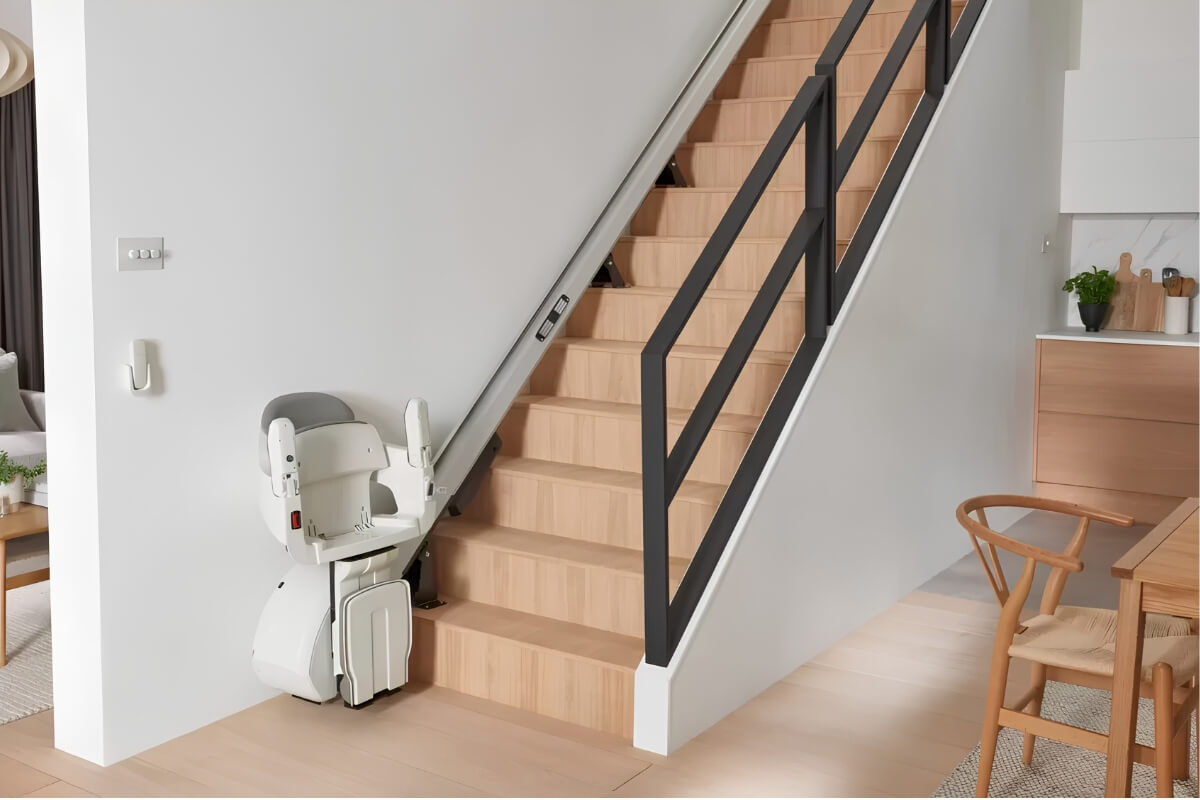
A modern white stairlift parked at the bottom of a wooden staircase in a bright home interior.

There are several reasons why a stairlift may stop working, and not all of them require urgent repair. 

Power issues are one of the most common causes. If the stairlift is not receiving power or the battery is not charging correctly, it will not operate as expected. 

Safety features can also prevent movement. Stairlifts are designed to stop automatically if something is in the way or if a component is not positioned correctly. This helps protect the user but can sometimes be mistaken for a fault. 

Over time, wear and tear can affect performance. Older stairlifts may develop mechanical issues that require attention. 

In some cases, the problem is linked to how the stairlift is being used. For example, if the seat is not fully locked into position, the lift may not move. 

Understanding these common causes can help narrow down why your stairlift is not working. 


Checking the Power Supply 

If your stairlift is not working, the first step is to check the power supply. 

Start by confirming that the stairlift is switched on at the mains. It may sound simple, but switches can sometimes be turned off accidentally. 

Next, check your fuse box to see if a breaker has tripped or a fuse has blown. Resetting the breaker may restore power to the stairlift. 

It is also important to check the charging points. Most stairlifts charge at the top or bottom of the track. If the chair is not positioned correctly, the battery may not be charging. 

Look for any indicator lights on the stairlift. These often provide useful information and may signal a power-related issue. 


Inspecting the Remote and Controls 

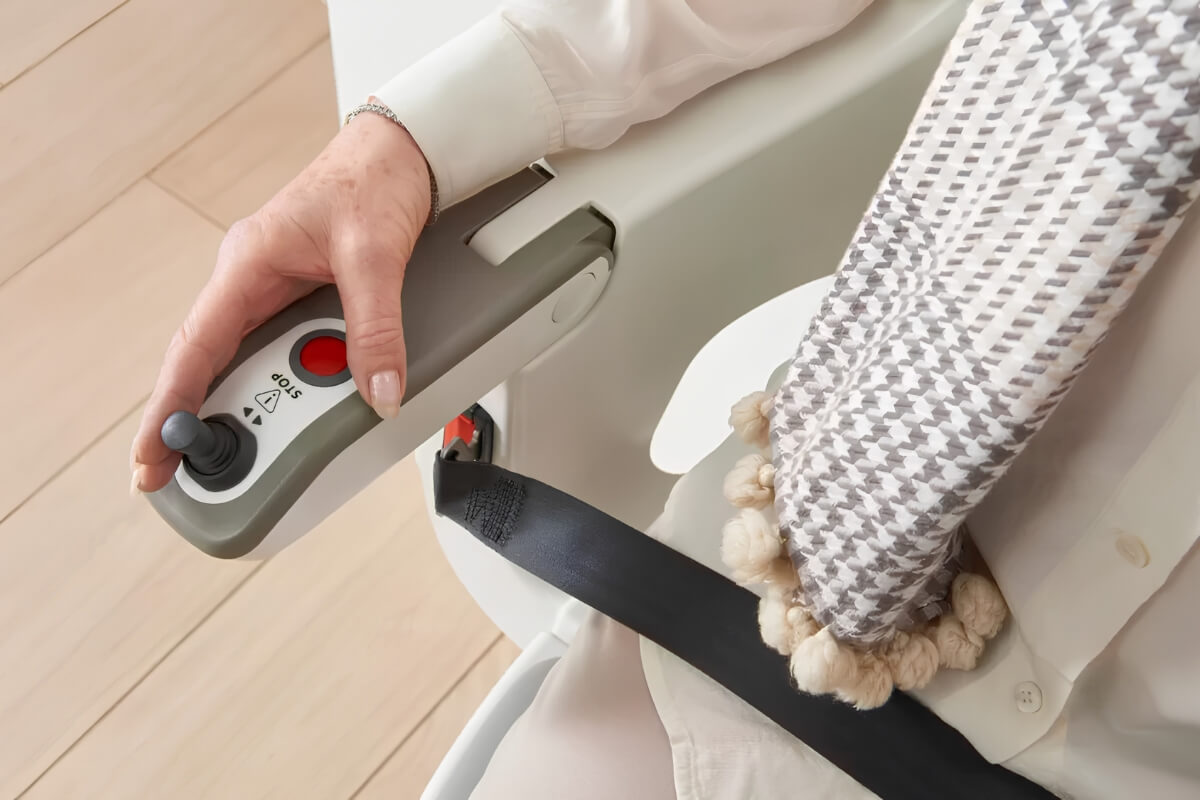
A close-up of a person's hand using a joystick controller on the armrest of a stairlift.

If the power supply is working, the next step is to check the controls. 

Start by replacing the batteries in the remote control. Weak or flat batteries are a common cause of unresponsive controls. 

Check that the buttons are working properly and are not stuck. Dirt or wear can sometimes affect how they respond. 

Make sure you are within range when using the remote. If the signal is weak, the stairlift may not receive the command. 

If your stairlift has wall-mounted controls, test these as well. This helps determine whether the issue is with the remote or the stairlift itself. 


Clearing Obstructions on the Track 

Stairlifts are fitted with safety sensors that stop the lift if an obstruction is detected. 

Check the track carefully for any objects that may be blocking the rail. Even small items can trigger the safety system and prevent movement. 

Dust and debris can also build up over time. This may interfere with the smooth operation of the stairlift. 

If you find any obstructions, remove them carefully. Avoid using excessive force or tools that could damage the track. 

Keeping the rail clean is an important part of ongoing stairlift maintenance tips and helps prevent future issues. 


Resetting the Stairlift Safely 

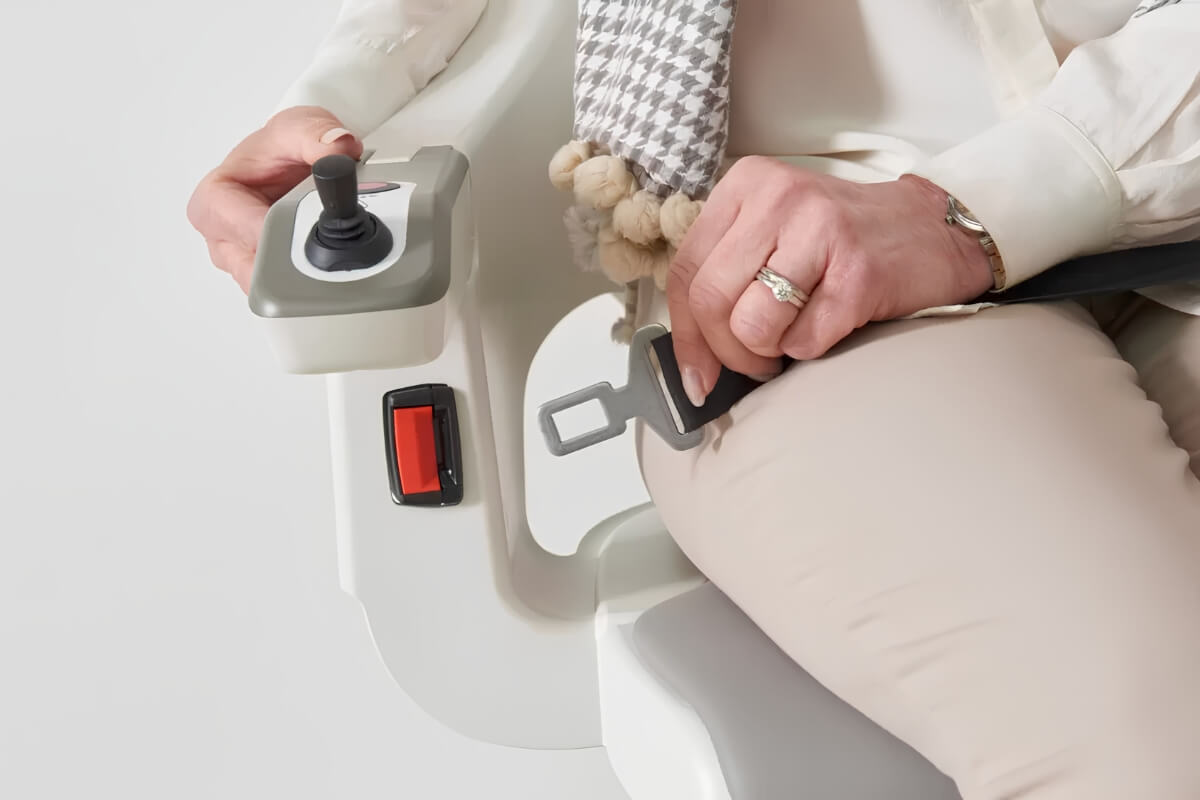
A person sitting in a stairlift, holding the joystick with one hand and preparing to fasten the seatbelt with the other.

In some cases, resetting the stairlift can resolve minor faults. 

Locate the reset switch or key. This is usually found on the chair or control panel. If you are unsure, refer to the user manual for guidance. 

Follow the manufacturer’s instructions when performing a reset. Once completed, allow the system a moment to restart before testing it. 

If the stairlift begins working again, monitor it closely. If the issue returns, it may indicate a deeper problem. 

Avoid repeatedly resetting the stairlift, as this can mask underlying faults that require attention. 


When to Call a Professional 

While many issues can be resolved with basic checks, there are times when professional help is needed. 

If the fault continues after carrying out stairlift troubleshooting, it is best to contact a qualified engineer. 

Unusual noises, jerky movement or sudden stops can indicate mechanical problems. These should not be ignored. 

Electrical faults should always be handled by a professional. Attempting to fix these yourself can be unsafe. 


Preventing Future Stairlift Issues 

Regular care can help reduce the risk of future problems. 

Scheduling routine servicing ensures that your stairlift remains in good working condition. A professional check can identify small issues before they become larger faults. 

Keeping the track clean and free from obstructions supports smooth operation. This is a simple but effective step. 

It is also a good idea to check batteries and controls regularly. Replacing batteries before they fail can prevent unexpected issues. 

Following the manufacturer’s guidelines for use and care will help extend the lifespan of your stairlift and maintain reliable performance. 


When a stairlift is not working, it can feel stressful, but many issues have simple causes that can be resolved with a few checks. Power supply problems, control issues and track obstructions are all common and often easy to fix. 

Taking a calm and safe approach to stairlift troubleshooting can help you identify the issue quickly. If the problem continues or you notice signs of a more serious fault, it is important to seek professional support. 

Reliable help is always available when you need it. Contact us today for expert advice, servicing or repairs to keep your stairlift running safely and smoothly. 

How Much Does It Cost to Run a Stairlift?

For many people considering a stairlift, one of the first questions is about the ongoing cost of running it. While installation is often the main focus, understanding the day-to-day energy use can also help homeowners plan ahead. 

The good news is that modern stairlifts are designed to be extremely energy efficient. In most homes, the cost to run a stairlift is surprisingly low, often similar to running a small household appliance. 

Electricity use is mainly influenced by a few simple factors, including how often the lift is used, how the battery charging system works and the length of the staircase. Fortunately, even with regular use, stairlift energy consumption tends to remain minimal. 

In this guide, we explain typical stairlift running costs, how stairlifts use electricity and what you can do to keep energy usage low. 


Average Cost to Run a Stairlift 

A close-up view of a person’s hands holding a calculator over an energy bill and a pile of pound coins.

When researching home mobility equipment, many homeowners are relieved to discover that the stairlift running costs are very modest. 

In the UK, most modern stairlifts cost only a small amount per year to operate. While the exact figure varies depending on usage and electricity prices, many estimates suggest that running a stairlift may cost around £10–£20 per year in electricity. 

This is because stairlifts do not require large amounts of power to operate. The motor only runs for a short period of time while travelling up or down the stairs, and most of the energy used goes toward keeping the onboard battery charged. 

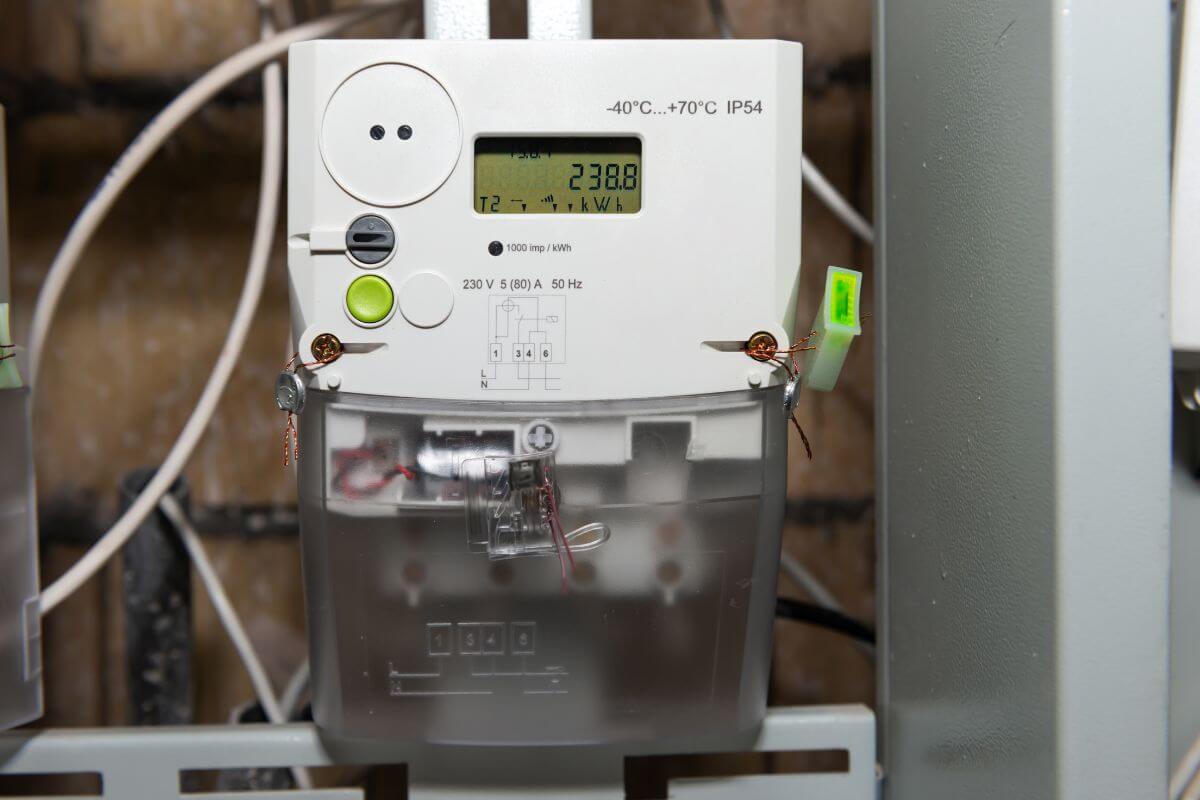
To put this into perspective, the stairlift electricity usage is often comparable to charging a small household device, such as a cordless phone or laptop. For most households, the difference in energy bills is barely noticeable. 

Considering the increased safety, independence and convenience a stairlift provides, the running cost is typically very small in comparison. 


Electricity Usage of Stairlifts 

A side profile of a person using a stairlift to navigate a staircase, with a focus on the mechanical rail and power unit.

Many people assume a stairlift runs directly from household electricity every time it moves. However, most modern stairlifts actually operate using a battery system. 

The battery is continuously charged through the mains power supply, usually via charging points located at the top and bottom of the stairlift rail. When the lift is parked at one of these points, the battery automatically recharges and remains ready for use. 

Because of this system, electricity is mainly used for charging the battery, rather than for powering the lift during each journey. 

The actual movement of the stairlift requires only a small amount of stored energy, meaning the overall stairlift electricity usage remains very low. 

This design also means the stairlift can continue working even if there is a temporary power cut, which provides an extra level of safety and reliability. 


Battery-Powered vs Direct-Power Costs 

A stairlift installed on a wooden staircase in a home, positioned at the bottom of the stairs next to a white wall.

There are two main types of stairlift systems: battery-powered models and direct-power models. 

Battery-powered stairlifts are by far the most common today. These systems store electricity in an onboard battery that is regularly recharged through the mains supply. This setup allows the stairlift to run smoothly and ensures it continues working even if the power goes out. 

Because the battery is always being topped up while the lift is parked, the cost to run a stairlift remains very low. 

Direct-power stairlifts, which run straight from the mains electricity supply, are much less common. These systems may draw slightly more electricity during use and cannot operate during a power cut. 

For this reason, most modern home mobility equipment installations use battery-powered systems, as they offer better safety, reliability and energy efficiency. 


Factors That Affect Running Costs 

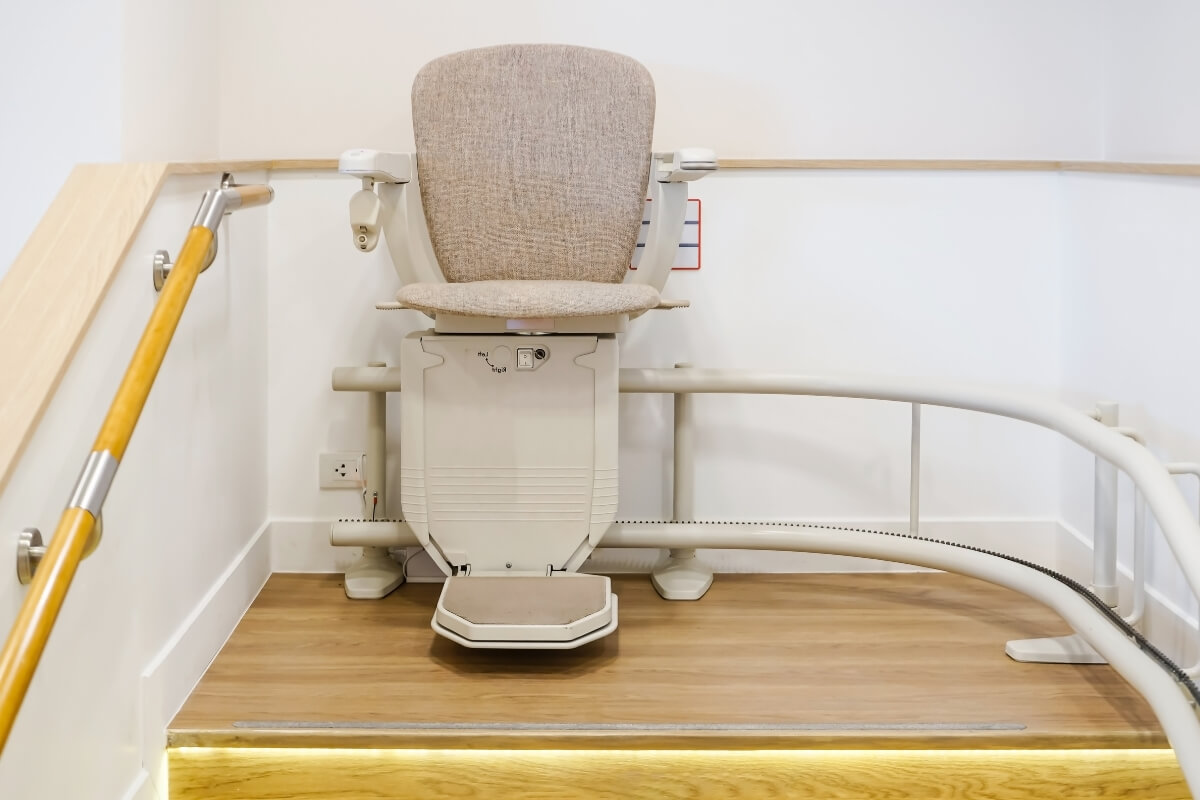
A neutral-toned stairlift with a textured beige seat parked on a curved white rail at the top of a wooden staircase.

Although stairlift running costs are generally low, a few factors can influence how much electricity is used over time. 

One of the most obvious factors is how frequently the stairlift is used. A stairlift used several times a day will naturally use slightly more electricity than one used occasionally. However, even with regular use, the difference in energy consumption is usually minimal. 

The length and design of the staircase can also play a small role. Longer staircases or curved stairlift rails may require slightly more energy during each journey compared with a short, straight staircase. 

Another factor is the condition of the battery. Over time, batteries can gradually lose efficiency, which may cause them to charge more often. Replacing the battery when recommended by a professional helps maintain optimal performance and energy efficiency. 

Environmental conditions may also have a minor impact. For example, very cold environments can sometimes affect battery performance, although this is rarely an issue in typical indoor settings. 


Ways to Reduce Stairlift Energy Costs 

Wooden blocks spelling out the word "COST" sitting on top of Japanese Yen banknotes, with a hand placing a final block featuring a downward-pointing arrow next to them.

Even though the cost to run a stairlift is already very low, there are a few simple ways to keep energy use as efficient as possible. 

One of the easiest steps is to make sure the stairlift is always parked at its designated charging point when not in use. This ensures the battery remains fully charged and ready for the next journey. 

Regular servicing is also important. A professional service check helps keep the lift running smoothly and ensures all electrical components are operating efficiently. 

Following manufacturer guidance about battery replacement is another helpful step. A healthy battery maintains efficient charging and prevents unnecessary energy use. 

By combining good maintenance with proper charging habits, homeowners can ensure their stairlift electricity usage stays as low as possible. 


In most homes, stairlift running costs are very low. Modern stairlifts use minimal electricity, with energy mainly used to keep the onboard battery charged. 

Compared with many everyday appliances, the cost to run a stairlift is small, making it an efficient and practical piece of home mobility equipment. 

If you’d like advice on stairlift installation or running costs, contact the team at Love Stairlifts today to discuss the best mobility solution for your home. 

5 Signs That You Might Need a Stairlift

For many people, stairs are something we use every day without thinking twice. But as we get older, or if our mobility changes, going up and down the stairs can slowly become more difficult. It often happens gradually, so it is easy to brush off small struggles and tell yourself that everything is still fine. 

In reality, these early signs are often your body’s way of telling you that extra support could make life safer and more comfortable. A stairlift is a practical home mobility solution that helps people continue using their whole home with confidence, without the worry of falls or strain.

1. Struggling with Stairs on a Daily Basis

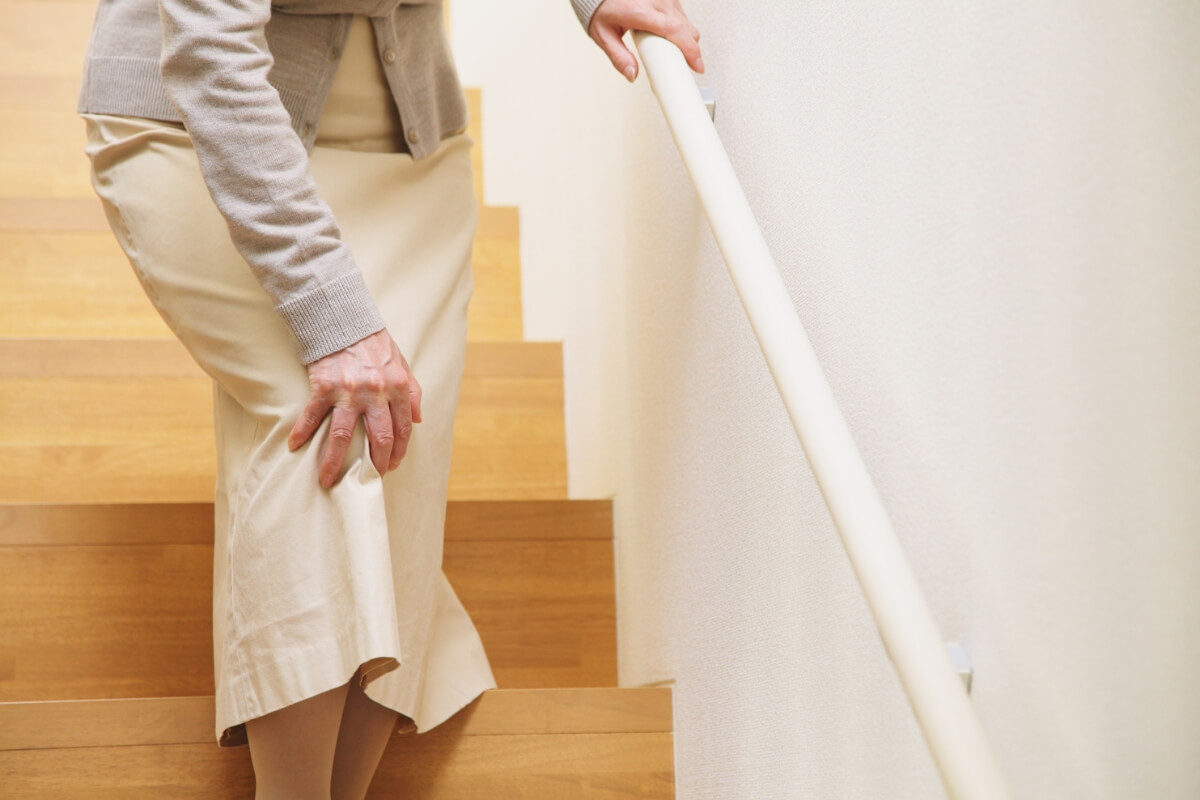
A close-up of a person gripping a handrail and holding their knee while trying to navigate wooden stairs.

One of the first signs you may need a stairlift is simply finding the stairs harder than you used to. You might notice that you move more slowly, need to stop halfway to catch your breath, or feel tired by the time you reach the top. 

Many people begin relying more heavily on handrails, gripping tightly for balance or using the wall for extra support. While this can help in the short term, it often shows that strength and stability are changing. 

When climbing the stairs starts to feel like a daily challenge rather than a normal part of your routine, it can affect confidence. You may begin to worry about slipping or losing balance, even if nothing has happened yet. A stairlift for elderly users or those with reduced mobility can remove this daily strain and make moving between floors feel simple again. 

2. Experiencing Pain or Fatigue When Using the Stairs

A person sitting down on a wooden staircase mid-climb, holding their lower back.

Stairs put extra pressure on the body, especially on the knees, hips, back and ankles. If you live with arthritis, joint pain, breathing difficulties, or muscle weakness, climbing stairs can quickly become uncomfortable. 

You may notice aching joints after using the stairs, shortness of breath, or general exhaustion that makes you avoid unnecessary trips upstairs. Over time, this fatigue can disrupt daily routines, such as getting dressed, using the bathroom, or going to bed. 

Repeated pain should never be ignored. When every trip upstairs feels like hard work, it can reduce independence and enjoyment of your home. A stairlift allows you to move between floors without putting extra strain on your body, helping you save energy for the things that matter most. 

3. Feeling Unsteady or Afraid of Falling

A healthcare worker assists an older adult in walking down a set of stairs while holding the handrail.

Feeling unsure on your feet is another important sign to watch for. You might find yourself hesitating at the top or bottom of the stairs, holding on tightly, or taking each step very carefully. 

Fear of falling often develops after a small slip, a loss of balance, or simply noticing that your legs do not feel as steady as before. Even without a fall, this worry can slowly change behaviour. You may rush less, avoid carrying items upstairs, or only use the stairs when someone else is nearby. 

Unfortunately, fear itself can increase risk. When you feel anxious, you are more likely to tense up, rush, or lose focus. Installing a stairlift removes the need to walk on the stairs at all, providing peace of mind for both users and their families. 

4. Avoiding Upstairs Areas of Your Home

A person stands at the bottom of a wooden staircase, looking up toward a bright window at the top.

Many people begin adapting to mobility changes without realising it. One common sign is slowly avoiding parts of the home that require using the stairs. 

You may start sleeping downstairs, using a different bathroom, or keeping clothes and personal items on the ground floor. While this can seem practical at first, it often means you are limiting your living space. 

Over time, this can feel frustrating or upsetting. Bedrooms, bathrooms and quiet spaces upstairs are often important for comfort and privacy. Giving up access to them can affect quality of life. 

A stairlift helps restore full use of your home. Instead of working around the stairs, you can continue enjoying every room safely and comfortably. 

5. Recent Falls or Near Misses on the Stairs

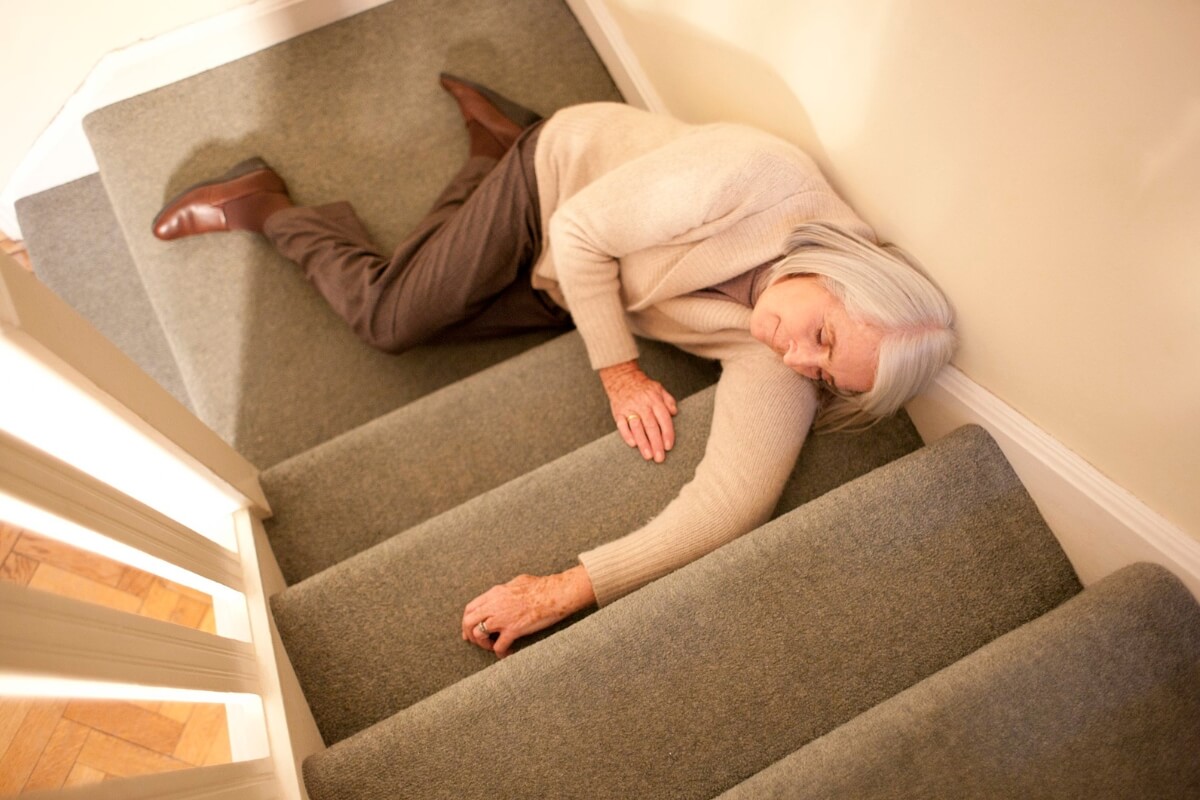
An older adult lying down on carpeted stairs after a fall.

Falls on the stairs are one of the most serious warning signs. Even a minor slip can lead to injuries that take time to recover from, especially in later life. 

Near misses are just as important. If you have tripped, slipped, or nearly lost your balance recently, it may be a sign that your mobility or reaction time is changing. These moments are often early indicators that something needs to change. 

Repeated incidents increase the risk of serious injury and can damage confidence. Many people become more cautious after a fall, which may lead to reduced activity and independence. 

Taking preventative action early can make a big difference. A stairlift removes the need to climb stairs altogether, greatly reducing the risk of future accidents and supporting long term safety at home. 


Stairs becoming harder to manage is something many people experience at some point. Struggling daily, feeling pain or fatigue, worrying about balance, avoiding upstairs rooms, or experiencing falls are all important signs that extra support may be needed. 

Recognising these changes early allows you to take control of your safety and comfort. A stairlift is not about giving up independence. In many cases, it helps people stay independent for longer by making everyday movement easier and safer. 

If you or a loved one recognise any of these signs, it may be worth speaking to a stairlift specialist for friendly, no pressure advice. The team at Love Stairlifts can help you explore your options, answer your questions and find a solution that suits your home and needs. Get in touch today to arrange a free consultation and take the next step towards safer, more confident living at home. 

New vs Reconditioned Stairlifts: What’s Right for You?

Choosing a stairlift is an important decision and one of the first questions many people face is whether to opt for a new or a reconditioned model. Cost is often a key concern, but buyers also want reassurance around safety, reliability and how quickly a stairlift can be installed. 

The good news is that both new and reconditioned stairlifts can provide safe, dependable support at home when supplied and installed by a reputable provider. Understanding the differences between the two can help you feel more confident about which option best suits your needs, your home and your budget. 

This guide compares new and reconditioned stairlifts clearly and fairly, so you can make an informed choice without feeling overwhelmed. 

What Is a New Stairlift? 

A new stairlift is manufactured specifically for your home and has not been used before. These stairlifts are made to order, which means the rail is custom fitted to your staircase and the chair, controls and features are selected to match your preferences. 

New stairlifts often come with the latest design updates and comfort features. This may include slimline rails, modern upholstery choices, swivel seats, folding footrests and advanced safety sensors. Because everything is brand new, there is also a wider range of models and optional extras available. 

New stairlifts are generally suited to people who expect to rely on their stairlift for many years, want maximum choice in features or have a staircase layout that requires a bespoke solution, such as a curved or narrow staircase. 

What Is a Reconditioned Stairlift? 

A modern, sleek cream stairlift installed on a straight rail in a bright, minimalist hallway with large windows.

A reconditioned stairlift is a previously used model that has been professionally restored to meet strict safety and performance standards. These stairlifts are not simply removed and refitted. They go through a thorough inspection, cleaning and testing process before being offered for resale. 

Key components are checked for wear, replaced where necessary and tested to ensure they function reliably. Upholstery, batteries and safety features are often renewed so the stairlift performs as expected in daily use. 

It is important to distinguish between reconditioned and second hand. A reconditioned stairlift has been refurbished by specialists and certified as safe, whereas a second hand stairlift sold privately may not have undergone the same checks or come with professional installation and support. 

Cost Differences Between New and Reconditioned Stairlifts 

Cost is one of the main reasons people consider a reconditioned stairlift. In general, reconditioned models are more affordable than new ones, making them a popular option for those working within a tighter budget. 

New stairlifts tend to cost more because they are made to order and offer a wider range of features and customisation. Curved stairlifts, are usually more expensive due to the bespoke rail design. 

Reconditioned stairlifts can offer significant savings, especially for straight staircases where refurbished models are more readily available. However, pricing still varies depending on factors such as staircase length, model type, installation complexity and any additional features required. 

home survey is usually needed to provide an accurate quote, as no two staircases are exactly the same. 

Safety and Reliability Considerations 

Two technicians in blue caps and workwear performing a safety check and maintenance on a cream-coloured stairlift.

All stairlifts installed in the UK must meet recognised safety standards, regardless of whether they are new or reconditioned. This includes features such as seatbelts, obstruction sensors, smooth start and stop movement and emergency stop controls. 

Reconditioned stairlifts undergo multiple safety checks before installation. This includes testing the motor, batteries, controls and safety sensors to ensure reliable everyday use. When refurbished correctly, a reconditioned stairlift can be just as safe and dependable as a new one. 

Reliability also depends on professional installation and ongoing maintenance. Choosing a supplier that carries out thorough testing and offers aftercare support is key to long term peace of mind. 

Warranty and Aftercare Options 

Warranty coverage is another important consideration. New stairlifts usually come with a longer manufacturer warranty, which may cover parts and labour for an extended period. 

Reconditioned stairlifts typically come with a shorter warranty, but this still provides reassurance that support is available if an issue arises. Many providers also offer servicing packages for both new and reconditioned models. 

Regular maintenance helps ensure your stairlift continues to run smoothly and safely. Batteries, rails and moving parts benefit from routine checks, regardless of whether the stairlift is new or refurbished. 

Installation Time and Availability 

A close-up view of a dark grey stairlift chair being installed onto white dual rails along a wooden staircase.

Installation times can differ between new and reconditioned stairlifts. New stairlifts often have longer lead times because the rail and components are manufactured specifically for your staircase. 

Reconditioned stairlifts may be available more quickly, particularly for straight staircases, as refurbished units can sometimes be fitted sooner. This can be helpful if mobility needs are more urgent. 

On installation day, a trained engineer will fit the rail securely to the stairs, install the chair and test the stairlift thoroughly. Most installations are completed within a few hours, with minimal disruption to the home. 

Who Should Choose a New Stairlift? 

A new stairlift may be the right choice if you are looking for a long term solution and want the widest choice of features and finishes. It can also be a better option for curved staircases or unique layouts that require a bespoke rail design. 

People who value the latest comfort features, quieter operation or a longer warranty may also prefer a new model. While the initial cost is higher, the tailored fit and extended lifespan can make it a worthwhile investment for many households. 

Who Should Choose a Reconditioned Stairlift? 

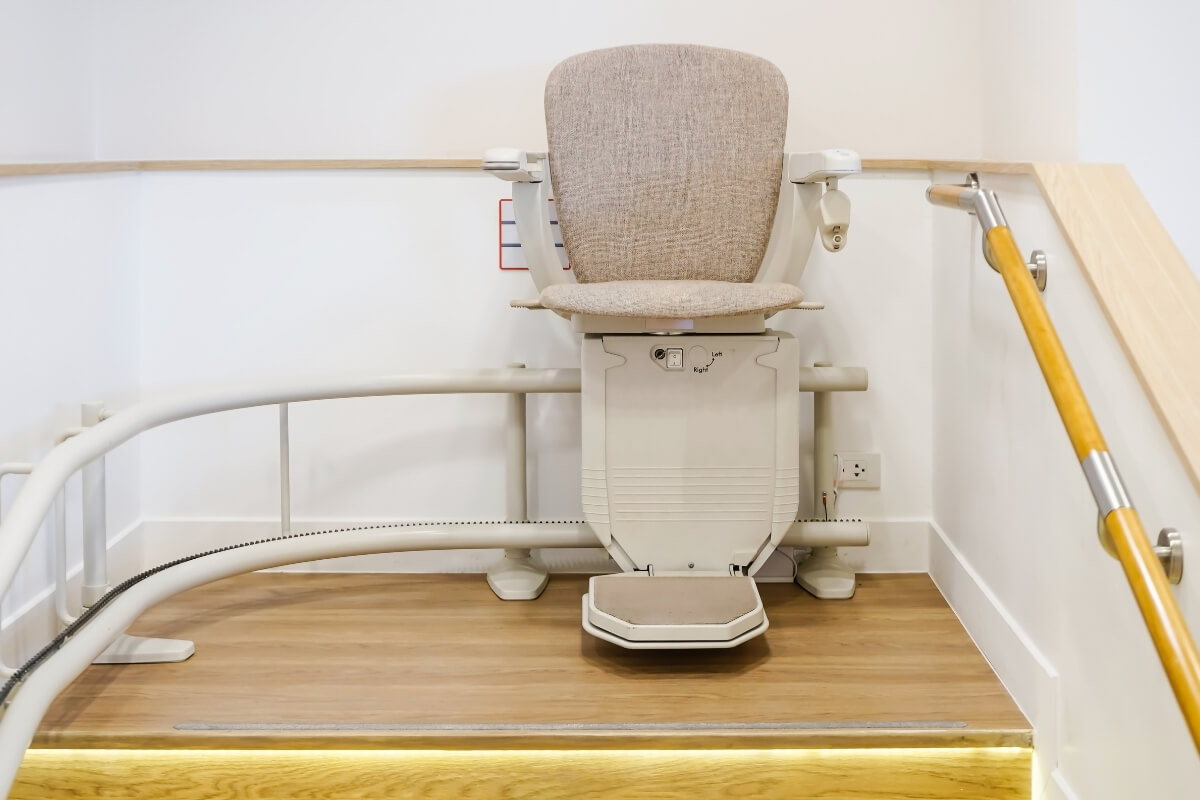
A beige fabric-upholstered stairlift parked at the top of a curved rail system on a wooden landing.

A reconditioned stairlift may be suitable if you need a reliable solution at a lower cost or if the stairlift is required for a shorter period. It can also be a good option when faster installation is important. 

Reconditioned stairlifts are particularly popular for straight staircases and can provide excellent value without compromising on safety. With professional refurbishment and installation, they offer dependable support and reassurance for everyday use. 


Both new and reconditioned stairlifts are designed to make moving around your home safer and easier. The right choice depends on your budget, how quickly you need installation, your staircase layout and how long you expect to rely on the stairlift each day. 

If you are unsure which option is right for you, contact our team today. We can talk through your needs, explain the differences clearly and help you choose a stairlift that provides the best balance of comfort, safety and confidence in your home. 

Don't forget
your FREE Quote

Our friendly team are here to help.