
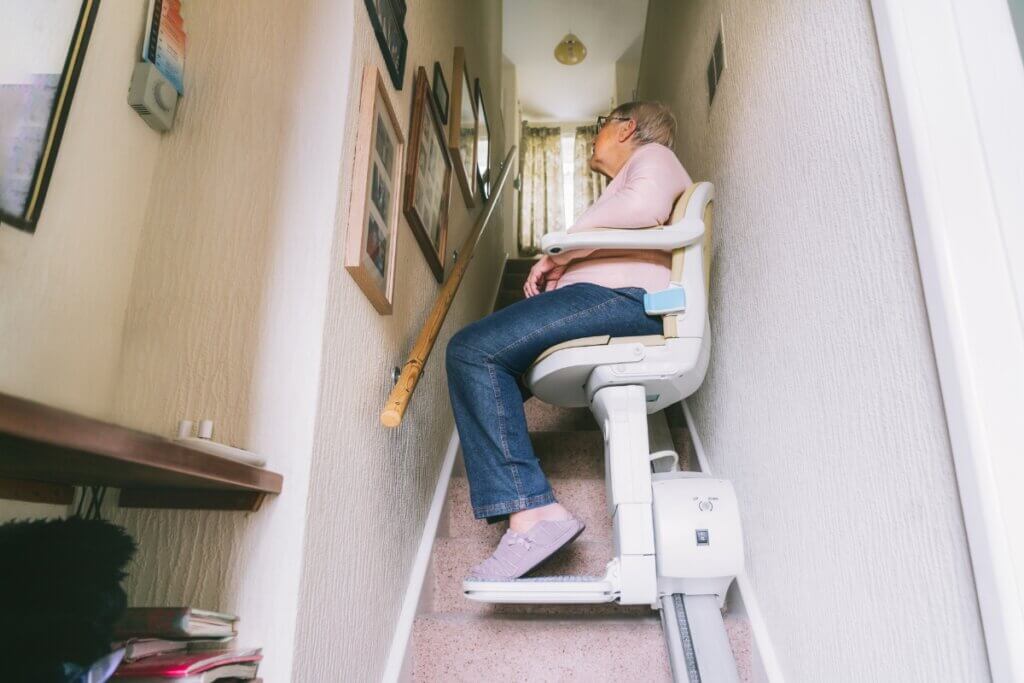
As our mobility needs change, everyday tasks like climbing the stairs can become more challenging. That’s why more homeowners and families are exploring stairlifts as a practical way to remain safe, comfortable and independent at home.
One of the most common questions people ask is whether their home is actually suitable for a stairlift. It’s easy to assume that an older property, a narrow staircase or an unusual layout means installation isn’t possible, but that’s rarely the case.
In reality, most homes can accommodate a suitable home stairlift, whether the staircase is straight, curved or somewhere in between.
In this guide, we’ll explain how stairlift installation works, what factors influence the process and what you should consider before arranging a home assessment.
The first step towards installing a stairlift is a professional home survey.
During this visit, an experienced engineer will assess your staircase, take accurate measurements and discuss your mobility needs to recommend the most suitable solution. They’ll also answer any questions you may have and explain the options available.
One of the biggest misconceptions is that stairlifts are attached to the wall. In fact, the rail is fitted securely to the staircase itself using specially designed brackets, meaning there’s usually no need for structural alterations or damage to your walls.
Once the survey has been completed and your stairlift has been chosen, the installation can be arranged. While timescales vary depending on the type of stairlift required, many installations are completed within just a few hours, allowing you to begin using your stairlift the very same day.
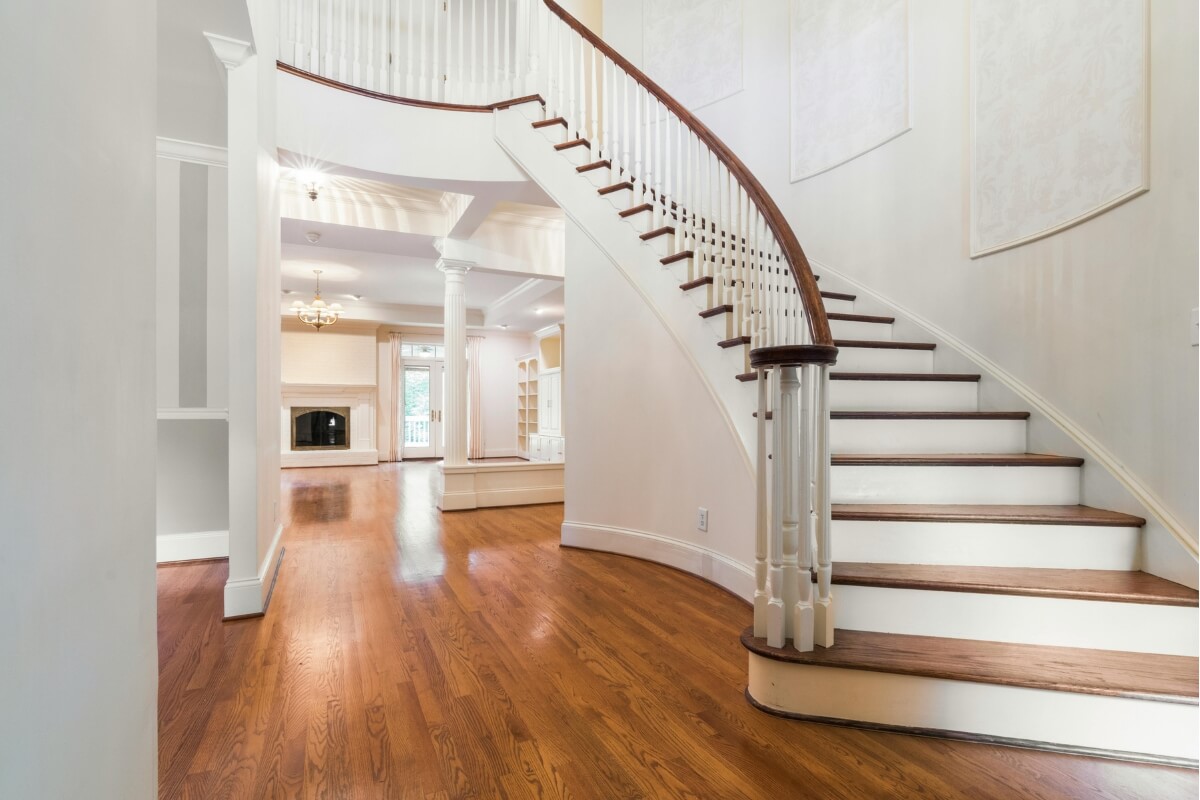
The simple answer is that most homes are suitable for a stairlift.
Whether you live in a modern new-build, a traditional family home or a period property, there is often a solution available that can be tailored to your staircase.
Some homes may require a little more planning than others, particularly if the staircase includes multiple bends or limited space. However, the design of the staircase is generally far more important than the age of the property itself.
The best way to determine what’s possible is by arranging a professional assessment. An experienced installer can identify the most suitable option and recommend any adjustments that may help maximise comfort and accessibility.
Stairlifts are installed in a wide variety of properties across the UK.
Detached, semi-detached and terraced homes are all commonly fitted with stairlifts, with solutions available for both straight and more complex staircases.
Bungalows with basements or split-level layouts can also benefit from stairlift installation where stairs are present.
Many flats and maisonettes are suitable too, although permission may be required depending on the property’s ownership or management arrangements.
Even listed buildings and older period homes can often accommodate a stairlift. Every property is unique, but specialist solutions are regularly installed in character properties without compromising their original features.
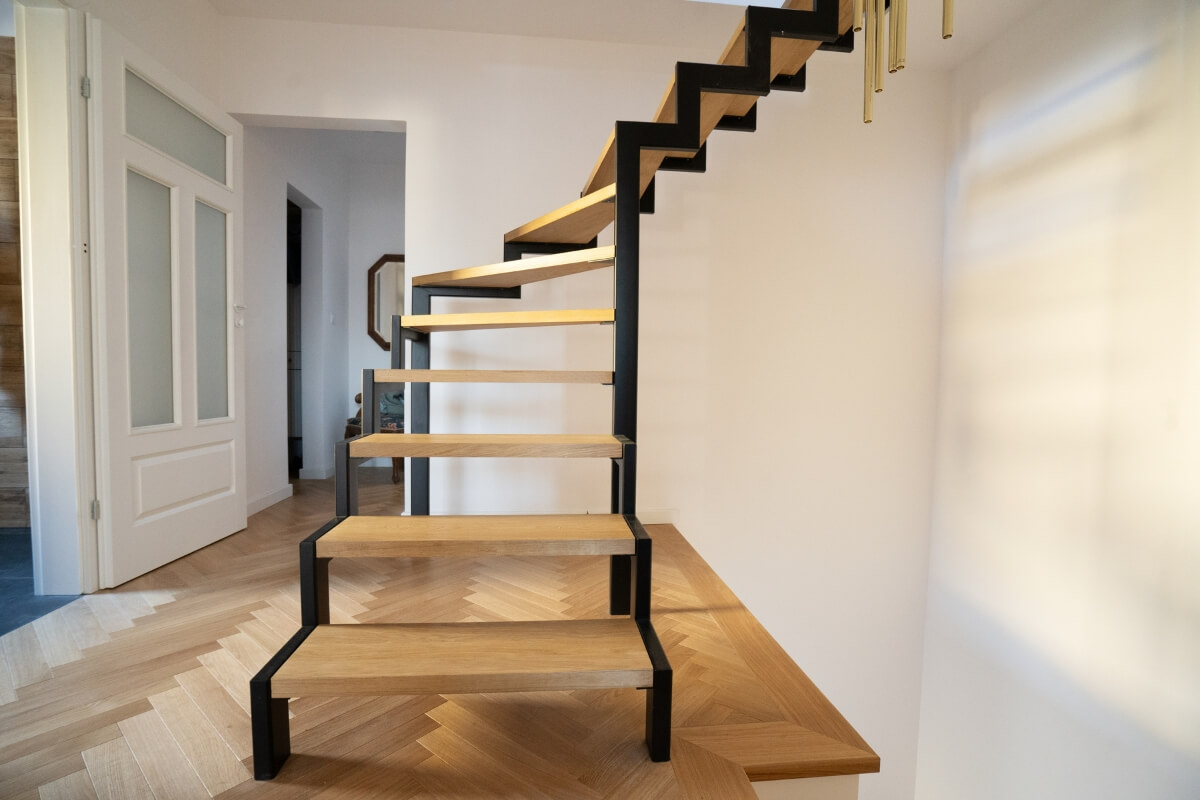
While most staircases are suitable, several practical factors influence which stairlift is recommended.
The width of the staircase is one of the first considerations. Installers need to ensure there’s enough space for the stairlift while allowing safe access for anyone walking on the stairs.
The overall layout is equally important. Bends, corners, intermediate landings and changes in direction all influence the type of rail required.
Engineers will also assess the condition of the staircase to ensure it provides a secure fixing for the rail.
Other considerations include access to a suitable power supply and identifying convenient parking positions where the stairlift can be left when not in use without causing unnecessary obstruction.
The shape of your staircase determines whether a straight stairlift or curved stairlift is required.
A straight stairlift is designed for staircases that travel in one continuous line without any turns or intermediate landings. Because the rail is manufactured to standard dimensions, installation is often quicker and can usually be completed soon after the initial survey.
A curved stairlift is required where the staircase changes direction, includes bends or features one or more landings.
Unlike straight models, every curved rail is individually manufactured to match the exact shape and measurements of your staircase. This creates a precise fit that allows the stairlift to travel smoothly around every corner while maintaining a comfortable ride.
Although curved stairlifts typically take longer to manufacture, they provide an excellent solution for more complex staircases that many homeowners assume cannot accommodate a stairlift.
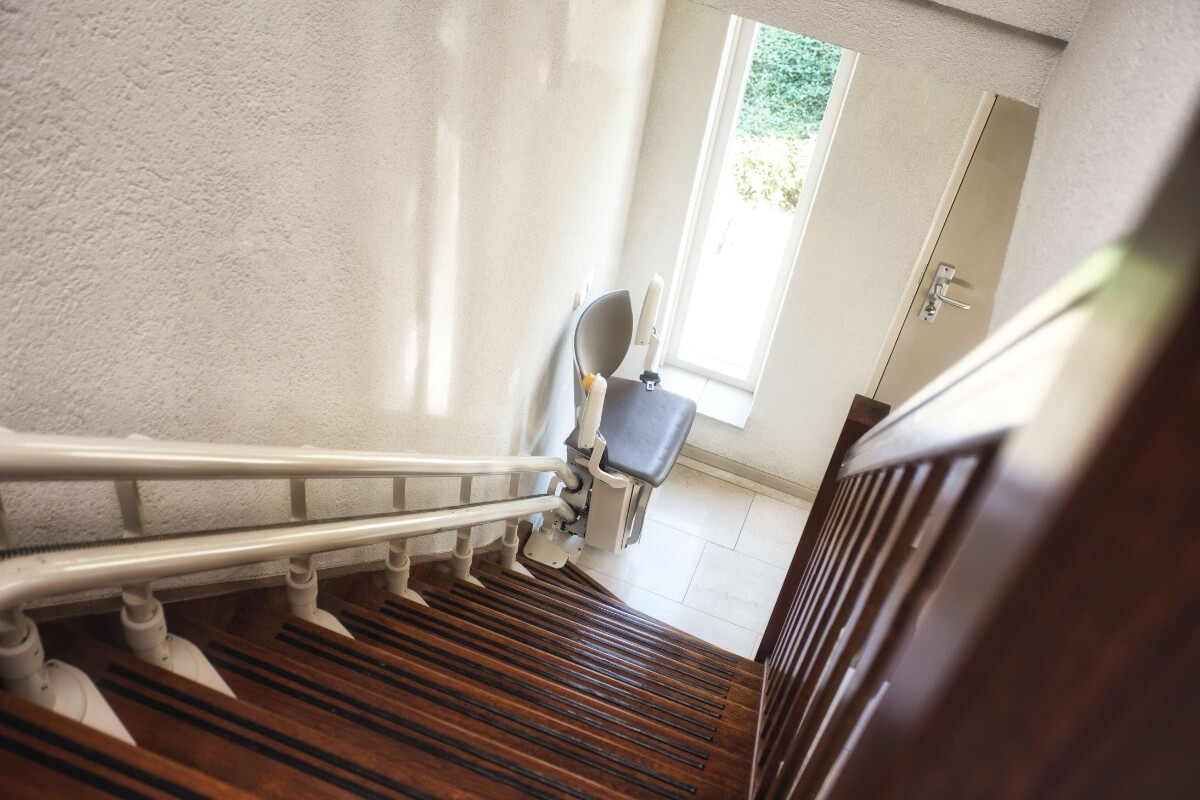
Many people worry that their staircase is too narrow, but modern stairlifts are designed to make the most of the available space.
While every staircase is different, installers will assess whether the width meets the recommended requirements during the home survey.
Most stairlifts include folding seats, footrests and armrests, allowing the lift to take up less room when not in use. This helps keep the staircase accessible for other members of the household.
Parking options can also be discussed during the survey. Depending on the layout of your home, the stairlift may be positioned at the top or bottom of the staircase, or on a hinged rail where additional clearance is needed.
Older homes often raise additional questions, but they are frequently more suitable than homeowners expect.
Narrow staircases are a common concern, yet many can still accommodate a carefully selected stairlift thanks to compact modern designs.
Some homeowners also worry about damage to their property. Because stairlifts are fitted directly to the stairs rather than the wall, installation generally requires very little disruption to the surrounding décor.
Uneven staircases or unusual layouts can usually be overcome with bespoke rail systems designed specifically for the property.
In fact, many period homes and older properties across the UK successfully benefit from stairlift installation, allowing homeowners to remain independent without compromising the character of their home.

Before making a decision, it’s always worth arranging a professional home assessment.
This provides an accurate understanding of which stairlift is most suitable for your staircase while giving you the opportunity to discuss your current and future mobility needs.
It’s also important to compare whether a straight or curved stairlift is the most appropriate solution, rather than focusing solely on price.
Finally, choose an installer that offers more than simply stairlift fitting. Ongoing servicing, warranties and reliable aftercare can provide valuable peace of mind long after installation has been completed.
Many homeowners are surprised to discover just how many properties are suitable for stairlift installation. Whether your staircase is straight, curved, narrow or located within an older property, there’s often a solution that can be designed to suit both your home and your individual mobility needs.
A professional home assessment is the best way to understand your options, answer any questions and ensure the right stairlift is recommended for your circumstances.
If you’re considering a home stairlift, the friendly team at Love Stairlifts is here to help. Contact us today to arrange a free home survey and discover the solution that’s right for you and your home.

