
Feeling steady and secure in your daily movements makes a huge difference to your mobility independence at home. Many people notice changes in balance, strength or comfort as they get older and it is completely normal to look for ways to stay in control. The good news is that small adjustments can make everyday tasks feel easier.
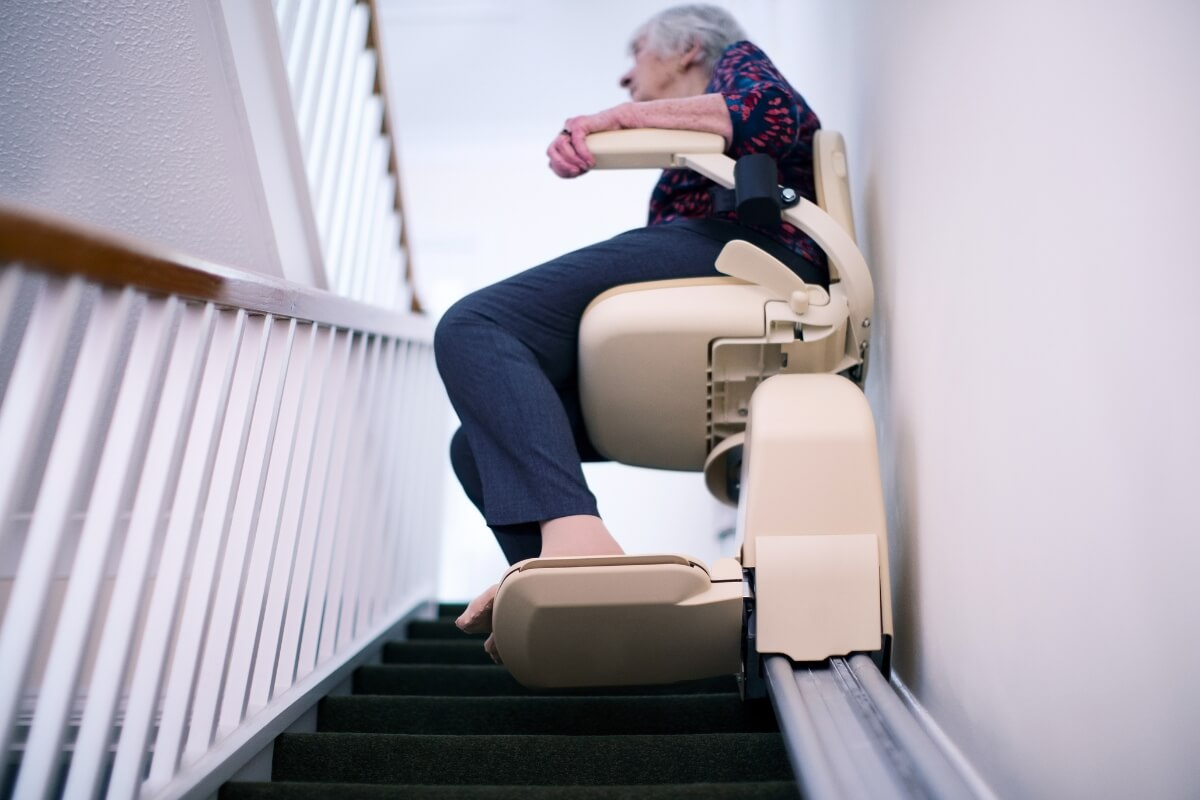
The right equipment can ease strain and make everyday tasks feel smoother. Simple additions such as: grab rails, perching stools and bath lifts offer support in busy areas of the home.
Rooms like the kitchen and bathroom often benefit from equipment that helps with standing, sitting and reaching. Items can be fitted with minimal disruption, giving you reassurance without major changes to your property.
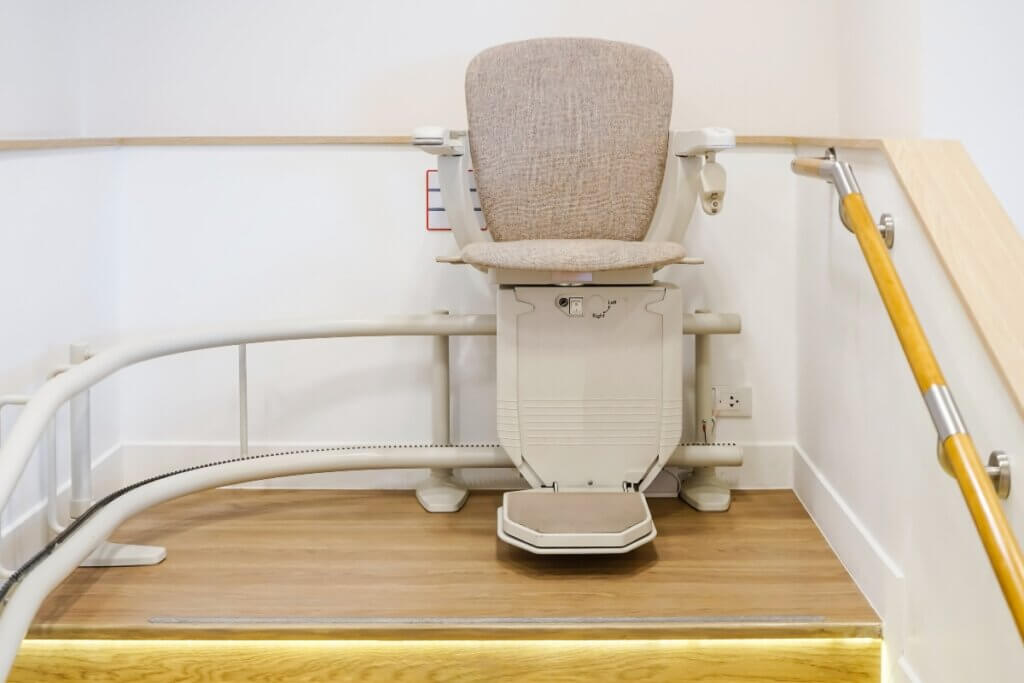
For those finding stairs difficult, products such as stairlifts can provide a steady and comfortable way to move between floors. If you prefer a solution that removes the need to use stairs altogether, home lifts offer another safe and reliable option.
For living areas, a riser recliner chair can support smoother standing and sitting, easing pressure on knees and hips.
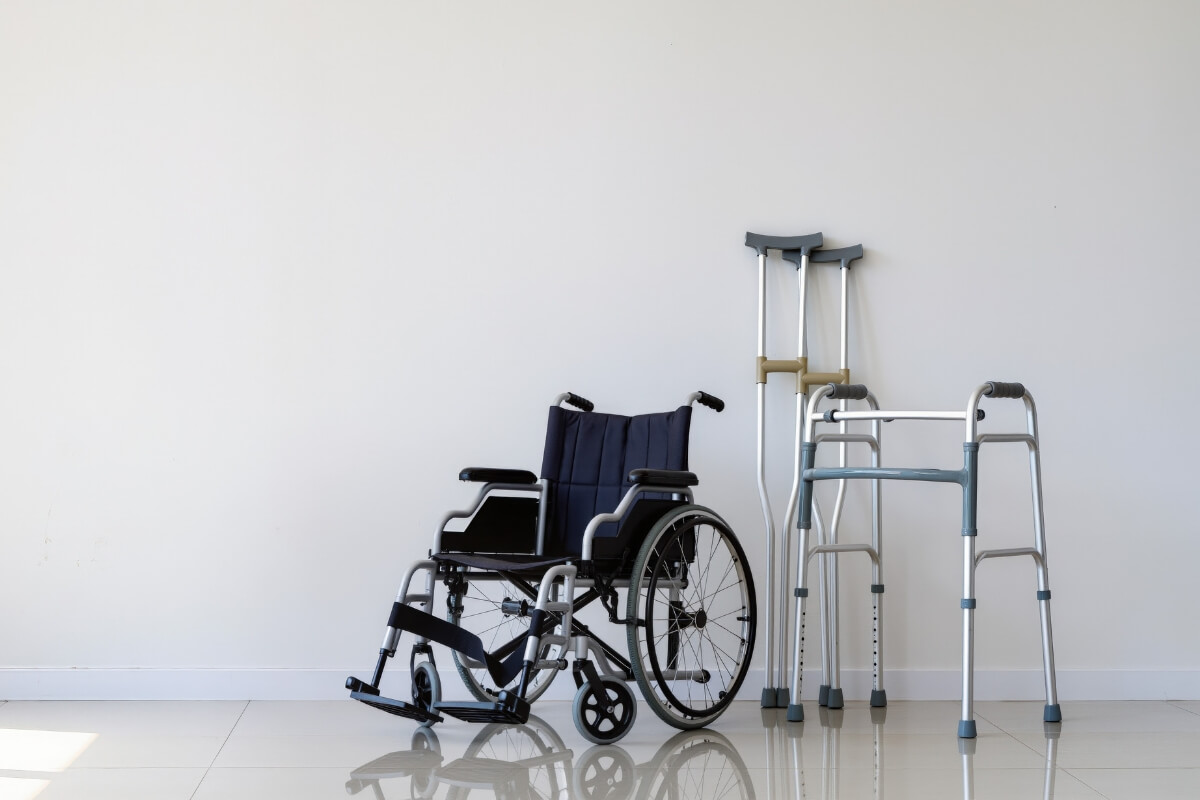
Mobility aids come in many forms and each supports a different level of steadiness. Walking sticks work well for short distances or occasional support. Rollators offer a stable frame and often include a seat for resting. Folding frames suit those who prefer a lightweight option that can be stored easily.
Comfort and fit matter. The correct height helps you walk with a natural posture and reduces pressure on your shoulders and wrists. A comfortable grip also allows better control.
If you are unsure about adjustments, a trained professional can check that the aid suits your needs and feels right for daily use.
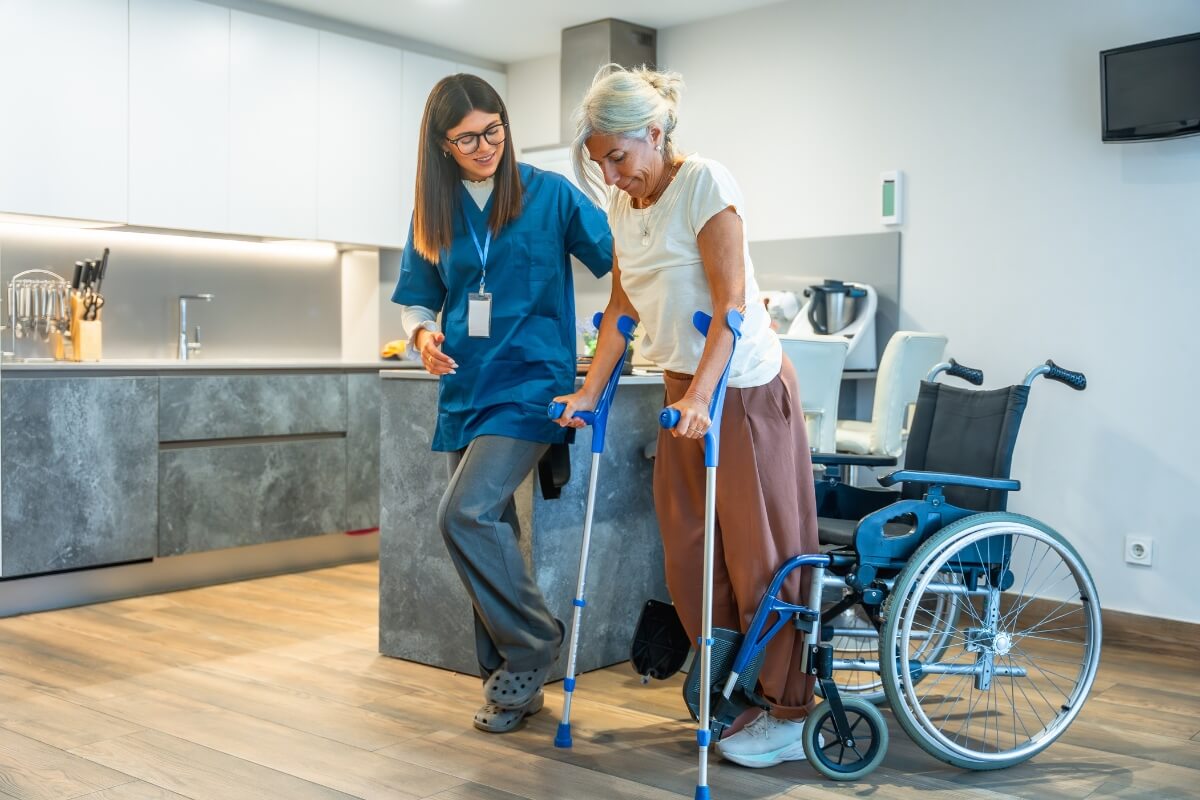
Gentle movement helps your strength, balance and overall confidence. Short sessions at home can be just as useful as longer activities. Light stretches, seated exercises and simple leg movements help keep joints mobile.
Community sessions aimed at older adults can provide guided routines in a friendly setting. If you prefer to stay at home, many charities and health groups offer safe routines you can follow at your own pace.
Even limited movement can make a difference. Small steps such as standing up and sitting down slowly or taking short walks indoors help your body stay active.
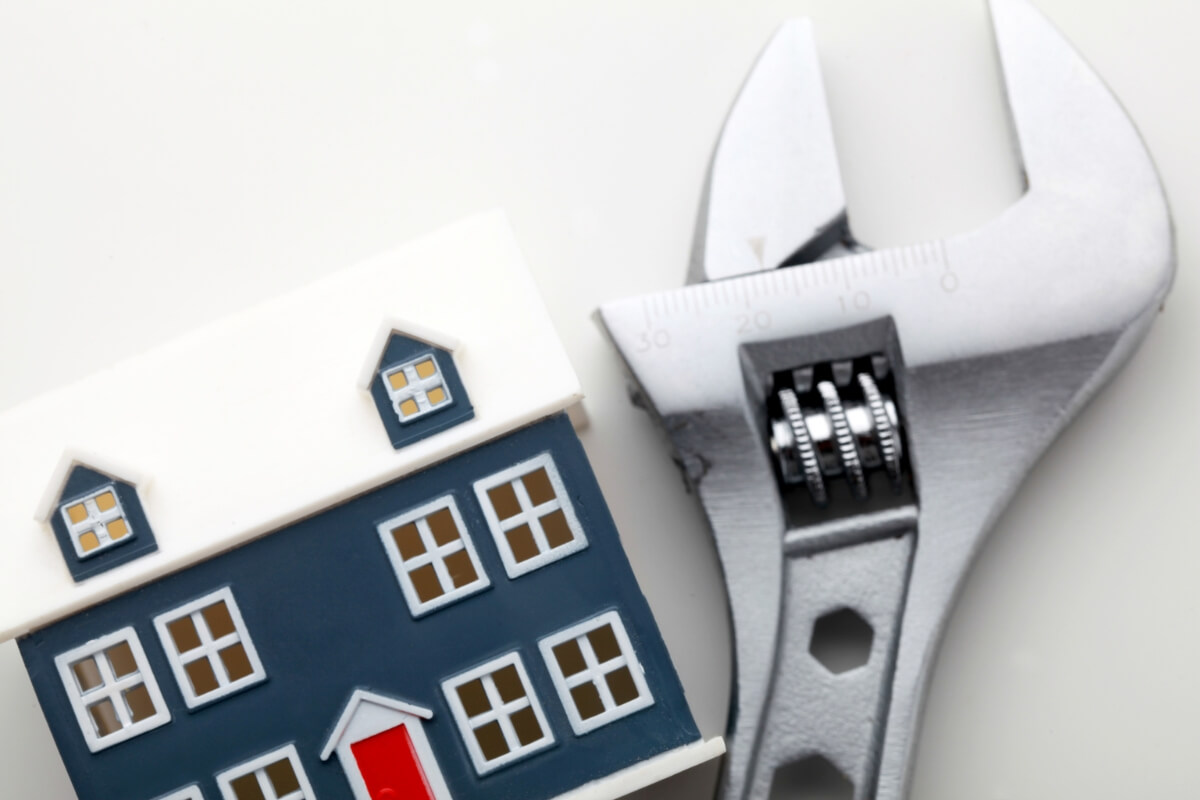
A safe home layout supports easier movement. Many people notice that loose rugs, trailing cables or dim lighting make rooms harder to navigate. Tidying walkways and securing flooring can improve steadiness straight away.
Lighting is especially helpful during the evening. Night lights in hallways and bathrooms reduce the chance of tripping when visibility is low.
Bathrooms deserve extra attention because surfaces can be slippery. Non-slip mats and steady access to the bath or shower can give you more confidence. Regular checks ensure the home stays easy to move around.

You do not have to manage everything alone. Local groups and community centres often offer activities, social sessions and guidance that help you stay active and connected.
Many councils provide mobility assessments that identify helpful equipment or recommend changes at home. Charities dedicated to mobility support can also point you in the right direction.
If you are thinking about new equipment, you may find it useful to speak to an occupational therapist or mobility specialist. Regular support can make day-to-day life feel smoother and more manageable.
There are many ways to strengthen your mobility independence. Home mobility equipment, useful aids, gentle activity, safer rooms and local support all play a part in helping you feel more confident.
Small steps are often the easiest place to begin. You can start with one change and build from there.
If you are ready to look at suitable mobility aids or equipment for your home, here at Love Stairlifts we offer practical solutions that support daily comfort. You can browse our range or speak with the team for guidance that fits your needs.

