How to Talk to a Loved One About Mobility Challenges

Noticing changes in a loved one’s mobility can be difficult. Perhaps they’re taking longer to get up from a chair, holding onto furniture when walking around the house or becoming less confident on the stairs. You may be concerned about their safety, but bringing up the subject can feel like you’re questioning their independence, and that’s often the tricky part. 

For someone experiencing mobility challenges, accepting that everyday activities are becoming more difficult can be emotional. The key is to approach the conversation with patience, empathy and respect, rather than making decisions on their behalf. 

Having a supportive conversation can be the first step towards finding practical ways to make life at home safer and more comfortable, while helping your loved one maintain as much independence as possible. 

Understanding Mobility Challenges and Why They Can Be Difficult to Talk About 

Mobility challenges can affect many aspects of everyday life, from walking and standing to getting in and out of chairs or using the stairs. 

For the person experiencing these challenges, these changes may be frustrating or upsetting. They may worry that admitting they are struggling means they will lose their independence or need more help than they would like. 

This can make conversations about mobility issues particularly sensitive. 

Rather than immediately suggesting solutions, start by trying to understand how your loved one feels. They may already be aware that certain activities are becoming more difficult, but simply haven’t felt ready to talk about them. 

Recognising the Signs of Mobility Challenges in a Loved One 
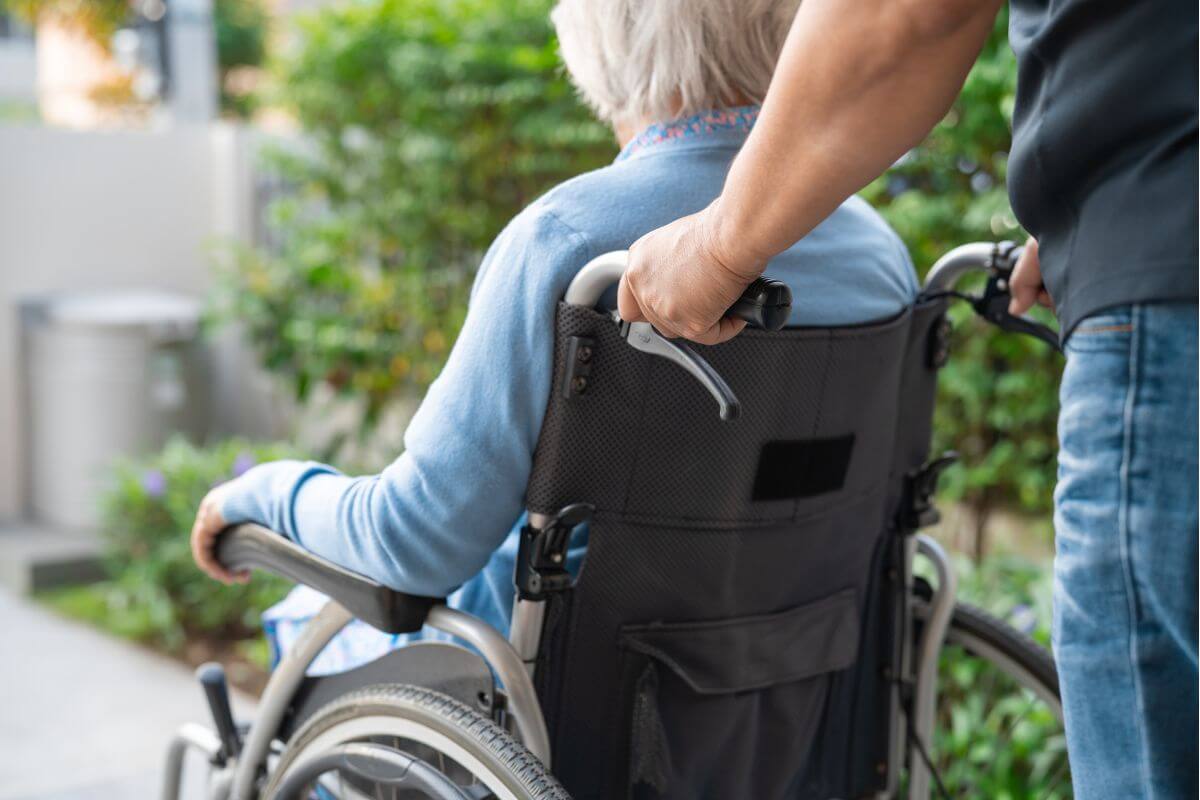
Rear view of a person pushing an elderly individual sitting in a wheelchair outdoors.

Mobility problems don’t always appear suddenly. Sometimes, small changes gradually become part of someone’s daily routine. 

You might notice that your loved one: 

  • Takes longer to walk around the house  
  • Holds onto furniture or walls for support  
  • Finds stairs increasingly difficult  
  • Relies more heavily on a walking aid  
  • Avoids going upstairs or leaving the house  
  • Appears less steady or confident when moving around  
  • Needs more assistance with everyday activities  

These changes don’t necessarily mean someone needs significant support, but they can be worth paying attention to, particularly if they are affecting their safety, comfort or quality of life. 

Choosing the Right Time and Place for the Conversation 

Timing can make a big difference. 

Rather than raising the subject immediately after a fall or during a stressful moment, choose a calm time when you can talk privately without interruptions. A familiar and comfortable setting may also help your loved one feel more at ease. 

Most importantly, don’t expect to solve everything in one conversation. 

Give them plenty of time to explain how they feel and resist the temptation to rush towards a solution. Sometimes, simply knowing that someone has noticed and is there to help can be enough to start with. 

How to Approach the Topic With Sensitivity and Care 

Close-up of two people holding hands across a table in a supportive, comforting gesture.

Remember, the language you use matters. 

Instead of focusing on what your loved one can no longer do, try asking open questions about how they are finding things. For example, you could ask whether they’ve been finding the stairs more difficult recently or whether they feel confident moving around the house. 

Listen to their answer without interrupting or immediately trying to correct them. 

It is also important to make the conversation collaborative. Your loved one should have a say in any decisions about their home, daily routine or mobility support. The goal is to help them feel more independent, not to take control away from them. 

Common Concerns and Emotional Reactions to Expect 

Don’t be surprised if your loved one doesn’t immediately agree that there is a problem. 

They may respond with frustration, embarrassment or even denial. They might also be worried about becoming dependent on others, changing their home or needing additional assistance. 

Try not to take this personally if they’re uncomfortable discussing their reduced mobility. Ensure you give them some space and return to the conversation later, as you don’t need to reach a decision during the first discussion. 

The important thing is to keep the door open. 

How to Offer Support Without Taking Away Independence 
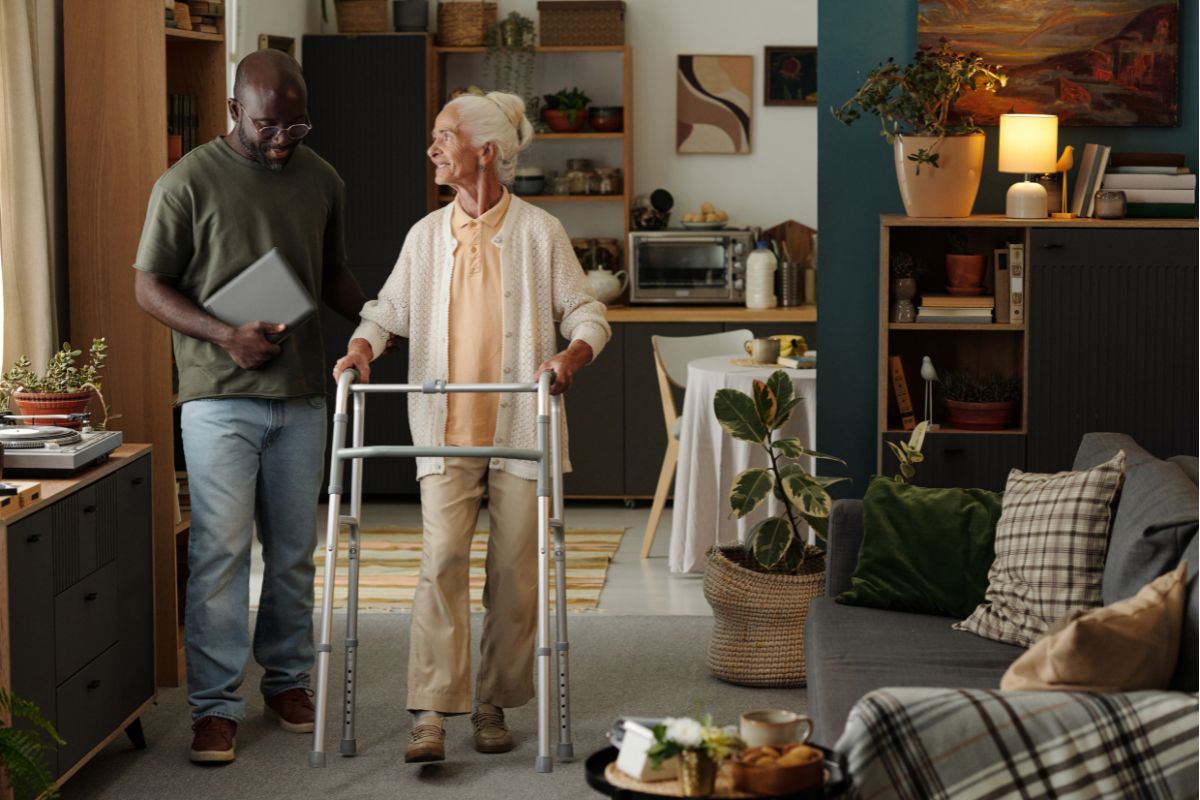
A man walking attentively beside an elderly woman who is using a metal walking frame indoors.

Offering support doesn’t have to mean doing everything for someone. 

In fact, the most useful support may be something that allows your loved one to continue doing things for themselves. Ask what they would find helpful rather than assuming you know what they need. 

This could be as simple as improving lighting, moving furniture to create clearer pathways or helping them find a walking aid that suits their needs. 

Small changes can sometimes make a surprisingly big difference to someone’s confidence. 

Practical Solutions That Can Help Improve Mobility at Home 

There are plenty of ways to make a home easier to navigate for someone experiencing mobility challenges. 

Improved lighting can make potential hazards easier to spot, while handrails can provide additional support in key areas. Removing loose rugs and other trip hazards can also make walking around the home safer. 

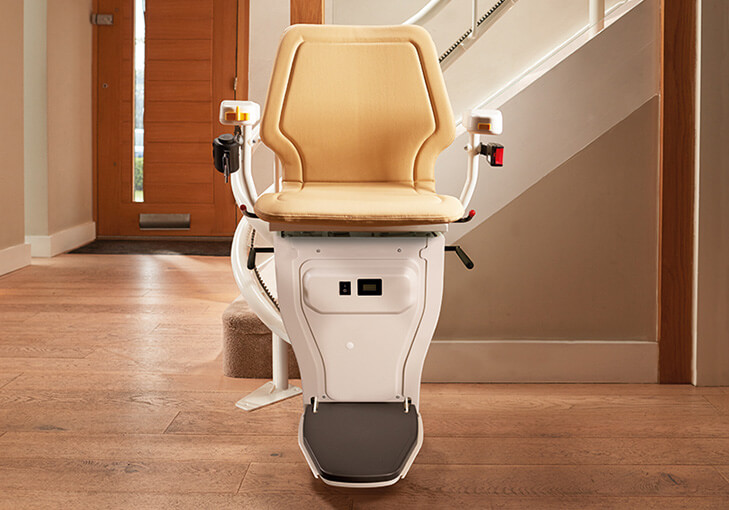
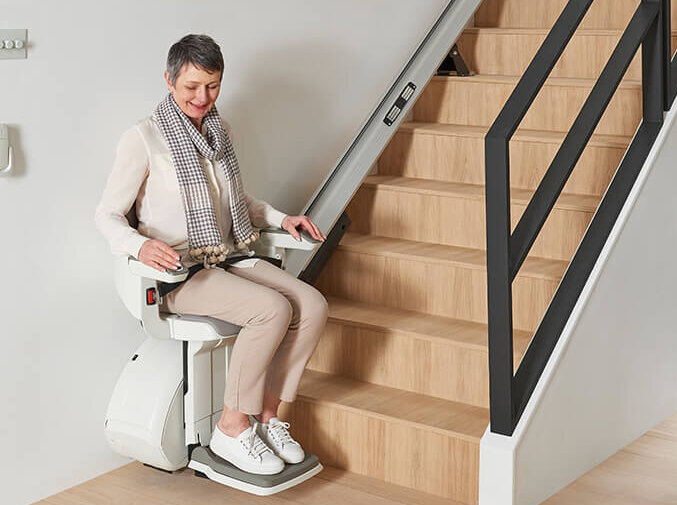
For someone who is finding the stairs particularly challenging, a stairlift could provide a practical way to move between floors without having to manage the stairs independently. 

The right solution will depend on the individual’s needs, the layout of the property and how their mobility is changing. It’s worth considering options based on what would genuinely make everyday life easier rather than simply choosing the most obvious adaptation. 

When to Seek Professional Advice or Home Adaptations 
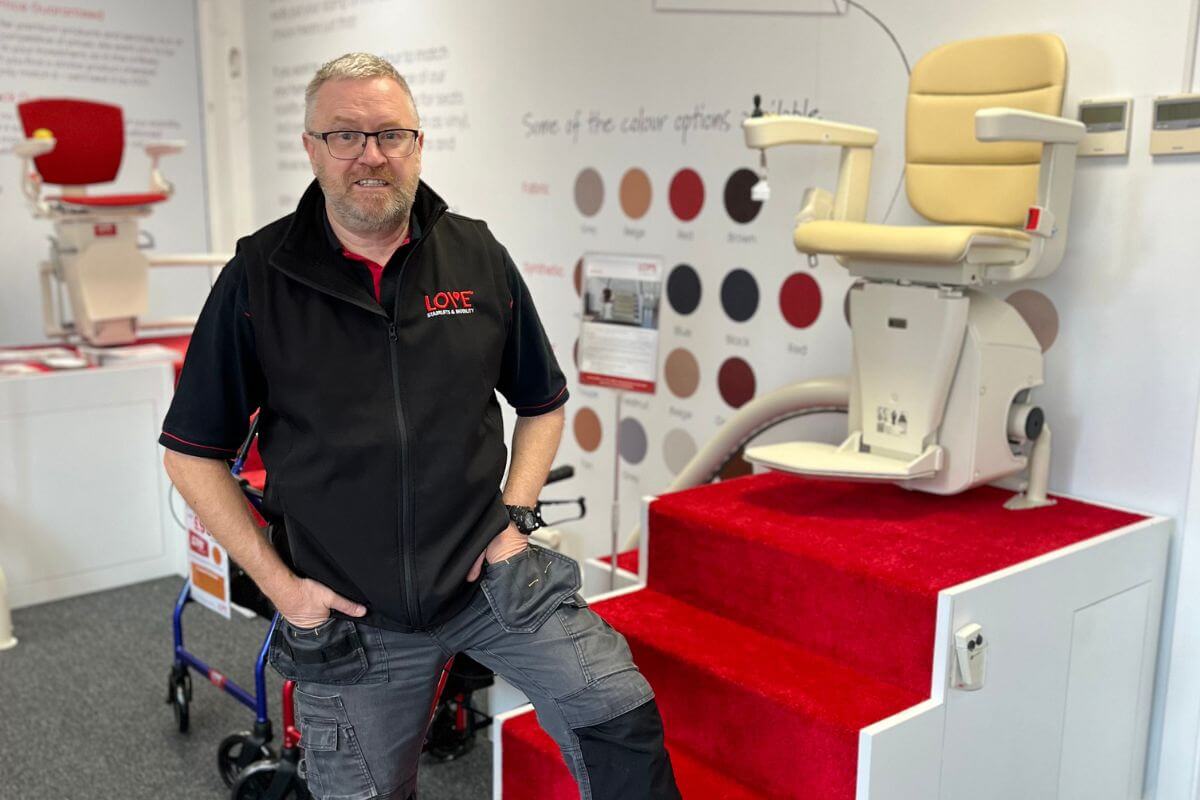
A man in a work jacket standing inside a showroom next to a stairlift demo unit mounted on red stairs.

If mobility difficulties are becoming more frequent, affecting everyday activities or accompanied by falls or significant changes in balance, it may be appropriate to seek professional advice. 

A healthcare professional can help assess concerns around mobility and balance, while a home assessment may identify areas where adaptations could improve safety and accessibility. 

It’s often helpful to explore potential solutions sooner rather than later. This gives your loved one time to consider their options without feeling as though a decision has suddenly been made for them. 

Above all, keep them involved throughout the process. 

Supporting Independence Through Better Mobility 

Talking about mobility challenges with someone you care about isn’t always easy, but it doesn’t have to be a difficult conversation either. Approaching the subject with empathy, patience and respect can help your loved one feel heard rather than judged. 

Experiencing mobility problems doesn’t automatically mean giving up independence. With the right support and practical adaptations, there may be ways to make everyday activities more comfortable while helping someone continue to live confidently at home. 

If mobility is beginning to affect your loved one’s daily life, contact our team at Love Stairlifts to discuss the options available. Our friendly team can provide advice on suitable stairlift solutions and help you understand what may work best for your loved one and their home. 

Top 5 Apps to Keep Seniors Safe at Home

Smartphones are no longer just for calls and messages. For many older adults, simple mobile apps now play a helpful role in staying safe, organised and confident at home. From medication reminders to emergency alerts, the right tools can quietly support daily routines without feeling complicated or intrusive. 

Many seniors living independently already use mobility aids such as stairlifts or riser recliner chairs to move around their home more safely. While these products provide physical support, digital reminders and alerts can add another layer of reassurance. They help people remember routines, plan movement around the house and feel more secure when alone. 

Apps that offer reminders, voice support or emergency contact features can be especially useful when moving between floors, standing up from a chair or managing daily tasks. Used correctly, they support independence rather than replacing it. 

Below are five easy to use apps that help seniors stay safe, supported and confident at home. 

1. Medisafe

An older couple sitting at a table looking at a tablet together.

Medisafe is a medication reminder app designed to help people take the right medication at the right time. Missed or incorrect doses can lead to dizziness, confusion or fatigue, which may increase the risk of falls at home. 

The app sends clear reminders when medication is due and provides simple instructions on what to take. This helps seniors maintain a steady routine, which is particularly useful before moving between floors or using a stairlift. Knowing that medication has been taken correctly can reduce hesitation and improve confidence when moving around the home. 

For people who use a riser recliner chair, consistent medication timing can also support safer standing and sitting, especially if medication affects balance or blood pressure. Medisafe is especially helpful for seniors managing multiple prescriptions or those supported by family members who want reassurance that routines are being followed.

2. Red Panic Button

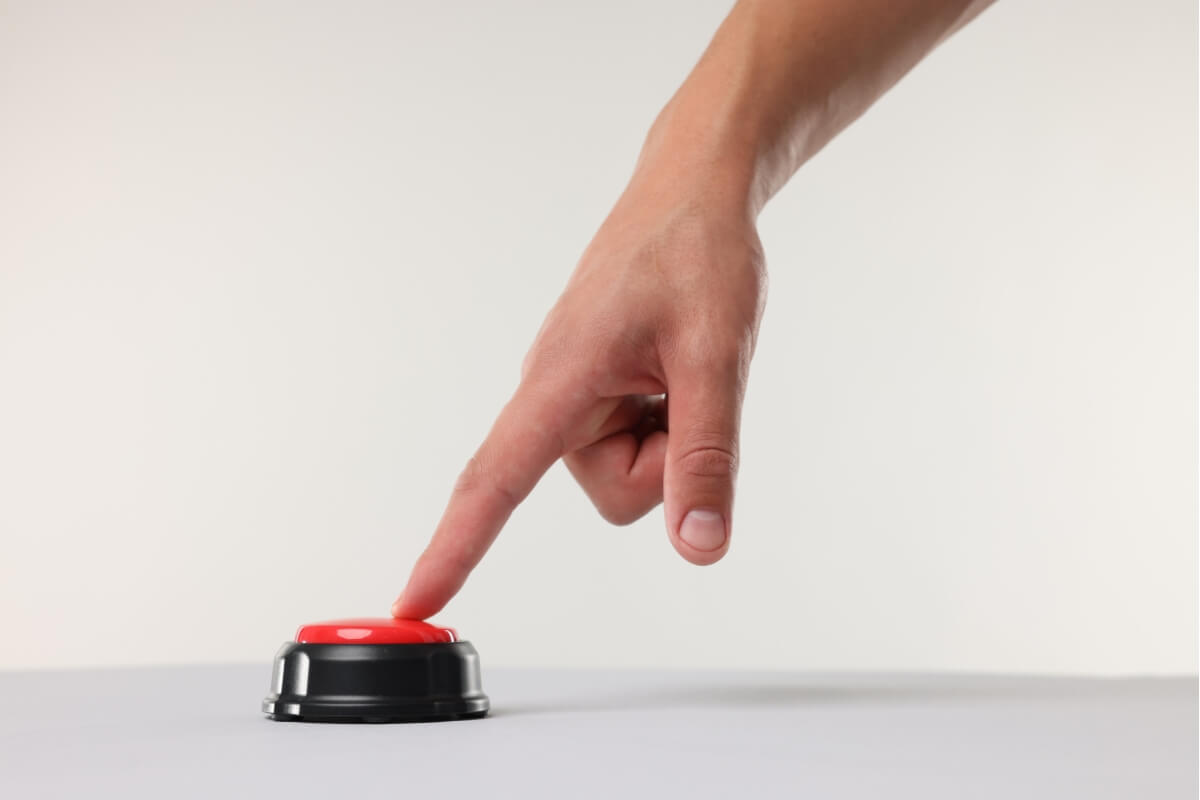
A hand reaching down to press a large red button.

Red Panic Button is a straightforward emergency alert app that allows users to send a message quickly if something goes wrong. With just a tap, alerts are sent to trusted contacts with the user’s location details. 

This can be reassuring for seniors who spend time alone at home, particularly near stairs or when standing up from a chair. Even with a stairlift or rising recliner, there may still be moments when someone feels unsteady or needs help. 

The app does not require complicated setup and can be kept easily accessible on a phone screen. For family members, knowing that an alert can be sent quickly offers peace of mind without constant check ins. It supports independence while ensuring help is close at hand if needed. 

3. Casper AI

Close-up of a person's hands using a smartphone.

Casper AI is a voice based assistant designed to provide reminders, prompts and daily check ins. Unlike traditional apps that rely on screens, Casper works through spoken interaction, which can be helpful for users with limited mobility or vision changes. 

Hands free reminders can prompt someone to take medication, prepare meals or get ready to move around the home. Verbal prompts before using a stairlift or standing from a riser recliner chair can help reduce confusion and hesitation, especially for people who benefit from gentle guidance. 

Routine reminders can also support structure throughout the day, which is important for maintaining confidence at home. Casper AI works quietly in the background, offering support without overwhelming the user.

4. Map My Walk

Two men in winter coats walking through a wooded path with walking sticks.

Map My Walk helps users track walking routes, distance and time spent being active outdoors. Gentle movement is important for overall wellbeing, even for seniors who use stairlifts at home. 

Many stairlift users remain active and enjoy short walks but may want reassurance when leaving the house. This app allows routes to be recorded and shared with family members, offering added confidence when out and about. 

Maintaining regular movement supports strength, balance and independence at home. Knowing that activity can be tracked and reviewed later can encourage seniors to stay active while feeling supported.

5. Google Tasks

A tablet displaying the Google search homepage next to a laptop.

Google Tasks is a simple app that helps users organise daily to do lists and reminders. It is useful for managing appointments, household tasks or equipment servicing schedules. 

For seniors using stairlifts or riser recliner chairs, reminders can be set around daily routines such as charging equipment, booking servicing or planning movement throughout the day. The app keeps everything in one place and avoids the need to remember multiple details at once. 

Its clean layout and straightforward reminders make it accessible for non technical users. When routines are clear and predictable, moving around the home feels more manageable and less stressful. 


Apps like these support safety, routines and peace of mind for seniors living independently at home. They work best when used alongside physical mobility aids such as stairlifts and riser recliner chairs, not as replacements for them. 

Digital tools can help people feel more organised, confident and supported in their daily lives. For families, helping seniors choose and set up the right apps can make a real difference to comfort and reassurance at home. 

When simple technology and practical mobility solutions are combined thoughtfully, older adults can continue living safely and confidently in familiar surroundings. 

Exploring Liverpool This Summer: Mobility-Friendly Days Out

Summer in Liverpool is a time for sunshine, fresh air and making the most of the vibrant culture and heritage this city has to offer. But for individuals with limited mobility, planning days out can be a challenge without the right support in place.

At Love Stairlifts Liverpool, we understand how important freedom and independence are. That’s why we’ve put together this guide to accessible days out in and around Liverpool that are perfect for stairlift users and anyone with reduced mobility.

Whether you’re using a stairlift at home or considering one, this blog will help you explore our wonderful city with confidence.

1. Take a Stroll at Sefton Park

Sefton Park is one of Liverpool’s most famous green spaces, and it’s fully accessible with smooth pathways, accessible toilets and plenty of seating. Whether you’re out for a gentle stroll or a picnic with the family, it’s an ideal summer location.

After a relaxing walk, heading home to a reliable stairlift ensures you continue to enjoy your day in comfort. Many of our clients who use stairlifts in Liverpool appreciate that outdoor activity is easier when the home environment supports their mobility too.

2. Visit the Museum of Liverpool

Located on the waterfront, the Museum of Liverpool is a fantastic destination that’s entirely wheelchair and mobility-scooter friendly. With lifts to every floor and step-free access throughout, it’s perfect for all ages.

The museum is a great place to explore with visiting family, offering air-conditioned comfort on warm days. It’s another example of how the city caters to people with varying mobility needs, just like Love Stairlifts Liverpool does for your home.

3. Relax at the Royal Albert Dock

One of Liverpool’s top tourist attractions, the Royal Albert Dock offers beautiful views, accessible restaurants and flat pathways that are perfect for wheelchairs and mobility scooters. Many businesses here also have ramps and wide doorways.

Mobility shouldn’t stop you from enjoying the best our city has to offer. Our Liverpool stairlift users often tell us they feel more confident venturing out when they know they can safely return to a comfortable and accessible home.

4. Experience the Beatles Story

A must-see for music lovers, The Beatles Story at the Albert Dock is fully accessible and equipped with lifts, audio guides and seating throughout the exhibit. You’ll walk (or wheel) through the iconic story of Liverpool’s most famous band.

Many fans with limited mobility find this a highlight of their summer. And with the support of a home stairlift in Liverpool, long days out don’t have to end in discomfort.

5. Explore Speke Hall Gardens and Estate

Owned by the National Trust, Speke Hall is a stunning Tudor house with extensive grounds. While the upper floors may be inaccessible due to its historic structure, the gardens, café and ground-floor exhibits are designed with accessibility in mind.

There’s even a mobility scooter hire option available, making it a great day out for stairlift users in Liverpool looking to reconnect with nature.

6. Stay Cool and Comfortable at Home

Sometimes, the best summer day out is a day in. With Liverpool temperatures on the rise, your stairlift should be just as reliable in summer as it is in winter. Make sure it’s serviced and in top condition for the season.

If you’ve been thinking about installing a stairlift, Love Stairlifts Liverpool offers free home assessments and a wide range of options tailored to your home layout and personal needs.

7. Ask for Local Advice

One of the best parts of living in Liverpool is the strong sense of community. If you’re not sure where to start when it comes to planning mobility-friendly days out, just ask us! At Love Stairlifts Liverpool, we’re happy to share recommendations based on what our clients enjoy most.

Final Thoughts

Being mobile doesn’t just mean being able to move around your house, it means feeling confident to get out and explore. With the right support at home, including high-quality stairlifts Liverpool residents trust, your summer can be full of exciting and comfortable adventures.

So go ahead, plan that day out, meet friends, enjoy the sun. We’ll make sure your home is ready when you return!

Mobility Support Guide: How to Stay Active When You Have Mobility Challenges

Staying active can feel daunting when you’re living with mobility challenges, but the truth is, physical activity remains just as vital and achievable as ever. Whether you’re recovering from an injury, living with a long-term condition or simply finding that your body isn’t quite as agile as it once was, there are many gentle, enjoyable ways to keep moving. With the right mobility support, staying active can bring renewed energy, better mental health and improved independence.

Here’s how to adapt your activity level to suit your needs, without compromising on your wellbeing.

Why Staying Active Is So Important

For older adults or those with reduced mobility, regular movement plays a big role in overall health. It:

  • Improves circulation and heart health 
  • Maintains joint flexibility and muscle strength 
  • Enhances balance, reducing the risk of falls 
  • Boosts mood and reduces anxiety or depression 
  • Supports better sleep and cognitive function 

The key is to tailor your activity to what works for your body. That’s where mobility support tools and adapted exercises come in.

1. Start With What You Can Do – Not What You Can’t

It’s easy to focus on limitations, but flipping that mindset is the first step toward staying active. Can you stretch while seated? Walk short distances with a walking aid? Lift light hand weights? Every small movement matters and contributes to better mobility and quality of life.

Talk to your GP or a physiotherapist who can assess your current ability and recommend safe exercises that suit you. If you need mobility support like a cane, walker or stairlift, using it confidently can help you stay safely mobile.

2. Explore Gentle Exercises That Suit Your Needs

You don’t need to run a marathon to stay fit. Many low-impact activities are ideal for people with limited mobility:

  • Chair Exercises – Chair yoga or seated stretching can improve flexibility, posture and circulation. There are even online classes tailored to seniors and those with mobility concerns.
  • Swimming and Water Therapy – Water removes pressure from joints and allows for smoother movement. Aqua aerobics and hydrotherapy are excellent ways to stay active with very little impact.
  • Walking, Even in Short Bursts – If you can manage short walks around the home, garden or even with the help of mobility support, it can make a big difference. Using a walker or rollator gives extra stability and peace of mind.
  • Resistance Training – Lifting light weights or using resistance bands helps build muscle strength and maintain bone density. Always work within your comfort level and consider supervision if needed.

3. Use Mobility Aids to Stay Confident and Independent

Mobility challenges don’t mean the end of independence. In fact, many people find they feel more active and confident once they accept help in the form of mobility support. Tools such as:

These aids allow you to conserve energy and reduce the risk of falls, while still keeping your body moving daily.

4. Make Movement Part of Your Routine

Being active doesn’t need to mean setting aside an hour for formal exercise. Instead, try weaving activity into your daily routine:

  • Do stretches or leg lifts while watching TV 
  • Take regular standing breaks if you sit for long periods 
  • Use the stairs if possible (with a stairlift as needed) 
  • Lightly tidy or garden for a gentle workout 
  • Dance to music in your kitchen – even seated dancing counts! 

When movement becomes part of your everyday life, it feels less like a chore and more like self-care.

5. Don’t Underestimate the Power of Social Activity

Staying active isn’t just about your muscles, it’s about your mental and emotional wellbeing too. Social engagement, even through gentle activity, can lift your mood and keep you motivated. Consider:

  • Joining a seated exercise or walking group 
  • Taking part in online fitness or wellbeing classes 
  • Signing up for local community centre events 
  • Getting a friend to join you on short walks or errands 

If transportation is a barrier, many community centres offer transport services or home-based classes for those with mobility support needs.

6. Stay Motivated With Small Goals

Setting simple, achievable goals can help you stay focused. Perhaps you aim to walk to the end of the garden twice a day, or complete ten minutes of chair exercises every morning. Track your progress with a calendar or journal, and reward yourself for small wins.

Celebrate what your body can do, not what it can’t. Every movement you make is a step toward better health.

7. Listen to Your Body and Rest When Needed

While staying active is important, so is recognising your limits. If you’re tired, in pain or feel unwell, it’s okay to rest. Overexerting yourself can lead to injuries and setbacks. Mobility support is about helping your body, not pushing it too far.

Pace yourself, stay hydrated and build up activity levels gradually.


Final Thoughts

Mobility challenges may change how you move, but they don’t have to stop you from leading an active and fulfilling life. With the right mindset, proper mobility support and a little creativity, you can continue to enjoy movement, independence and all the benefits that come with an active lifestyle.

Remember: staying active doesn’t mean doing what you used to do, it means doing what you can do, safely and with confidence.

If you’re looking for help finding the right mobility support tools to suit your needs, don’t hesitate to speak with a specialist. You deserve to move through life feeling secure, empowered and well supported.


How to Fall-Proof Your Home with Mobility Support Equipment

Spring is the season of renewal, and there’s no better time to give your home a refresh that prioritises safety, comfort and peace of mind. For elderly individuals or those living with mobility challenges, taking steps to fall-proof your home can help prevent accidents and support independence.

Falls are one of the leading causes of injury among older adults, but the good news is that many of them are preventable. By making simple changes and investing in the right mobility support equipment from Love Stairlifts, you can create a safer, more accessible living space that lets you enjoy the season worry-free.

Start with a Spring Safety Audit

The first step to fall-proofing your home is to do a room-by-room check. Ask yourself:

  • Are walkways clear and clutter-free?

  • Are rugs securely fixed or could they slip?

  • Is lighting bright enough in all areas?

  • Are frequently used items within easy reach?

Addressing these small but significant details can go a long way in reducing fall risks. This is also a good opportunity to involve loved ones or carers, another pair of eyes can help spot potential hazards you may have missed.

Secure Your Stairways with a Stairlift

Stairs are one of the biggest fall hazards in the home, especially for those with reduced strength, balance issues or joint pain. If you find yourself avoiding the stairs or struggling with each step, it might be time to consider installing a stairlift.

A stairlift offers safe and reliable transport between floors. With features like swivel seats, seatbelts and smooth stop/start mechanisms, they’re designed with comfort and safety in mind. Whether you have a straight staircase or a more complex curved one, there are stairlift models that can be tailored to suit your home’s layout.

Adding a stairlift is a smart investment in mobility support equipment that provides freedom, reduces the risk of injury and allows you to continue enjoying all levels of your home without worry.

Embrace the Comfort and Safety of Riser Recliners

Another essential piece of mobility support equipment that can significantly reduce fall risk is a riser recliner chair. Getting in and out of a regular armchair can be difficult if you have joint pain, stiffness, or balance problems. This is often when slips or tumbles happen.

Riser recliners do the hard work for you, gently tilting forward to help you rise to your feet safely. When it’s time to relax, the chair reclines to provide exceptional support and comfort, helping to improve circulation and reduce pressure on aching joints.

Modern riser recliners come in various styles, fabrics and sizes, ensuring you don’t have to compromise on style for safety. They’re a perfect addition to any living room, combining ease of movement with cosy functionality.

Upgrade Your Lighting

As the evenings stay lighter for longer in spring, it can be easy to overlook poor indoor lighting. But dim hallways, shadowy staircases and dark corners are common contributors to trips and falls.

Install motion-sensor lights in hallways or nightlights in bedrooms and bathrooms. These subtle upgrades can make a big difference, especially during nighttime trips to the loo.

Consider brighter LED bulbs and check that switches are accessible. This is also a great time to tidy away any trailing cords or cables that could pose a tripping hazard.

Create a Safer Bathroom Environment

The bathroom is another hotspot for slips and falls due to water, tiles and cramped spaces. Here are a few spring safety swaps to consider:

  • Add non-slip mats in and around the shower or bath

  • Install grab rails near the toilet, bath and sink

  • Use a raised toilet seat to reduce strain when standing

  • Consider a walk-in bath or shower for easier access

Many of these features fall under the category of mobility support equipment, offering practical support while helping to maintain dignity and independence in your daily routine.

Reorganise and Declutter

Spring is the perfect time to do a little decluttering. Keeping your home tidy isn’t just great for your wellbeing, it also prevents accidents. Focus on:

  • Removing loose rugs or securing them with anti-slip backing

  • Keeping floors free of shoes, books or bags

  • Reorganising shelves so commonly used items are within reach

  • Using storage solutions to prevent over-stretching or bending

If bending down or reaching high causes discomfort or instability, simple mobility support equipment like grabbers or reachers can help make daily tasks more manageable.

Get Support Where You Need It

Sometimes, it’s the smaller things that can make the biggest difference. Consider walking aids, handrails along walls or perching stools in the kitchen. These additions may seem minor but can significantly reduce the risk of falls and make everyday tasks feel more achievable.

Don’t hesitate to seek advice from an occupational therapist or a mobility specialist who can recommend the best mobility support equipment tailored to your needs and living space.

Final Thoughts: Enjoy Spring, Safely

With longer days and warmer weather on the horizon, spring is a wonderful time to focus on your comfort and safety at home. From stairlifts and riser recliners to brighter lighting and bathroom updates, a few proactive changes and thoughtful investments can make a huge difference.

Falling doesn’t have to be part of growing older. By fall-proofing your home and using the right mobility support equipment, you can reduce risks and embrace a season full of energy, renewal and peace of mind.

How to Fall-Proof Your Home: Stairlift Benefits

As the seasons change and the colder months approach, many of us prepare for the challenges winter brings, that’s why we’re exploring a range of stairlift benefits to ensure safety during the winter. Navigating icy walkways and drafty corridors can be difficult, but one of the most pressing concerns during this time is the increased risk of falling within the home. For those with limited mobility, this risk becomes even more pronounced, especially on staircases.

At Love Stairlifts, we understand the importance of creating a safe, fall-proof environment for those with mobility challenges, particularly as temperatures drop. One of the most effective ways to fall-proof your home is by installing a stairlift, a crucial addition that ensures safety and convenience year-round. This blog explores how to prepare for the colder months by fall-proofing your home with a stairlift, and discusses the many stairlift benefits you can expect.

Why Colder Months Increase Fall Risks

Winter brings with it several challenges that can heighten the risk of falls for older adults or individuals with reduced mobility. The following factors make it especially important to be proactive about home safety:

  1. Slippery Outdoor Conditions: Ice and snow are the most obvious hazards, but even damp, cold weather can lead to slippery steps and walkways. Although these conditions exist outdoors, they increase the overall risk of falling once you enter your home.
  2. Limited Mobility Indoors: Cold weather can exacerbate joint stiffness and arthritis, making movement indoors more difficult. Climbing stairs, in particular, becomes a more dangerous task during the winter months, especially for those with chronic pain or weakness.
  3. Reduced Heating and Lighting: Poor lighting and chilly indoor temperatures are common issues in winter. These factors can make it harder to see obstacles or react quickly to uneven surfaces, leading to an increased likelihood of falls.

Given these winter-related risks, fall-proofing your home is crucial. And for homes with staircases, a stairlift can be one of the most practical and effective solutions.

Fall-Proofing Your Home with a Stairlift

Staircases are one of the most common areas in the home where falls occur. Installing a stairlift can significantly reduce the likelihood of accidents by providing a safe and secure means of moving between floors. Here’s how a stairlift can help:

1. Eliminate the Risk of Falling on Stairs

Climbing up and down stairs is physically demanding, especially for individuals with mobility challenges. Falls on staircases are a leading cause of injury among older adults. A stairlift eliminates this risk by allowing users to safely sit and glide between floors, reducing the need for exertion or balance control. Stairlift benefits include peace of mind knowing that the chance of slipping or tripping is virtually eliminated.

2. Custom Fit for Your Staircase

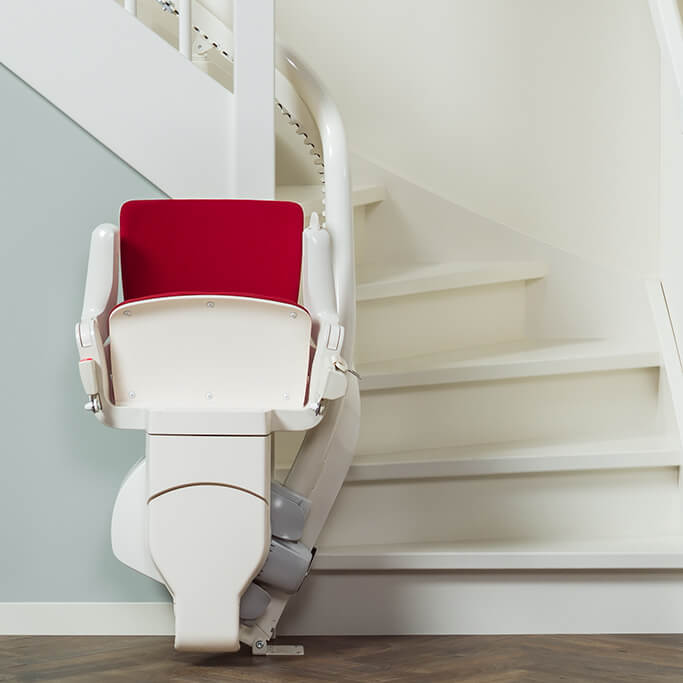
Whether you have a straight or curved staircase, modern stairlifts can be customised to fit any layout. This ensures that the installation is seamless and that users have a smooth and comfortable ride every time they use the stairlift. With a wide range of design options available, a stairlift can complement the aesthetic of your home while adding an invaluable layer of safety.

3. Easy-to-Use Controls

One of the key stairlift benefits is how user-friendly they are. Designed with ease of use in mind, most stairlifts come with a simple joystick or button control, making them accessible even for those with limited dexterity. With the press of a button, users can travel between floors effortlessly.

4. Battery-Powered for Reliability

Stairlifts are typically battery-operated, ensuring that they remain functional even during power outages. This feature is particularly beneficial in the colder months when storms or heavy snow can disrupt electrical service. Knowing that your stairlift will continue to operate, regardless of the weather, provides additional security during winter.

5. Smooth and Comfortable Travel

For those with joint pain, arthritis, or balance issues, the act of climbing stairs can be painful and exhausting. Stairlifts are designed to offer a smooth, stable ride with comfortable seating, reducing strain on knees, hips, and ankles. Many models also feature adjustable seat heights and footrests, allowing for personalized comfort.

6. Safety Features

Stairlifts come equipped with multiple safety features to ensure a secure journey. These include seatbelts, obstruction sensors, and lockable swivel seats that make it easier to get on and off the lift safely. By incorporating these safety measures, stairlifts not only prevent falls but also provide an added layer of protection.

Other Ways to Fall-Proof Your Home

While a stairlift is an essential investment for fall-proofing, there are additional steps you can take to make your home safer during the colder months:

  1. Improve Lighting: Make sure your home is well-lit, especially around staircases, hallways, and entryways. Consider installing motion-sensor lights or LED bulbs to ensure that even during darker winter days, your visibility remains optimal.
  2. Non-Slip Flooring: Adding non-slip mats or rugs to high-traffic areas and stairs can prevent slips. For those with hardwood or tiled stairs, stair runners provide a non-slip surface that enhances safety.
  3. Handrails and Grab Bars: In addition to installing a stairlift, secure handrails or grab bars in areas where extra stability may be needed, such as next to doorways or in bathrooms. These supports offer a safe way to regain balance or prevent a fall.
  4. Clear Pathways: Decluttering is important for avoiding trips. Make sure walkways and stairs are free of loose cords, rugs, or items that could cause you to stumble.
  5. Regular Exercise: Winter can limit outdoor activities, but regular exercise—such as indoor stretching, balance exercises, or even yoga—can improve your strength and balance, helping to prevent falls indoors.

Stairlift Benefits for Long-Term Safety

Beyond the immediate fall-proofing advantages, stairlift benefits extend to long-term safety and convenience, offering users greater independence in their daily lives. Stairlifts allow individuals to continue living comfortably in their homes without the need to downsize to a one-story residence or move into assisted living. By providing reliable, safe access to multiple floors, stairlifts reduce the risks associated with ageing in place.

Additionally, the installation process is quick and minimally invasive, allowing users to enjoy the benefits without extensive renovation. With professional guidance, a stairlift can be tailored to the unique needs of each individual, ensuring they receive maximum value and safety.

Preparing for the colder months means taking proactive steps to ensure your home is safe, comfortable, and fall-proof. For those with mobility challenges, a stairlift is a vital tool for navigating stairs safely, offering a range of benefits that not only prevent falls but also enhance quality of life.

At Love Stairlifts, we’re committed to helping you create a safer, more accessible home. By investing in a stairlift, you can enjoy the peace of mind that comes with knowing you’ve fall-proofed your home for the colder months—and beyond. With numerous stairlift benefits, including enhanced safety, comfort, and independence, you can confidently navigate your home all year round.

Read similar blogs here.

Mobility-Friendly Holidays: Embrace the Beauty of Winter Staycations with Love Stairlifts

As winter approaches, the allure of a cosy, refreshing staycation grows ever more enticing. For those with mobility challenges, finding the perfect destination that is both accessible and enjoyable is crucial. Fortunately, the UK is brimming with mobility-friendly holidays that cater to everyone’s needs, ensuring that your winter break is both relaxing and rejuvenating.

At Love Stairlifts, we understand the importance of accessibility in every aspect of life, which is why we’re excited to share some wonderful staycation ideas that are as accommodating as they are delightful.

1. The Lake District: Nature’s Winter Wonderland

The Lake District is an iconic destination, famous for its breathtaking scenery and tranquil lakes. During the winter months, the region transforms into a serene wonderland, with snow-dusted peaks and peaceful, frosty waters. For those seeking mobility-friendly holidays, the Lake District offers a variety of accessible accommodations and attractions.

Many hotels and guesthouses in the area are equipped with lifts, ramps, and adapted bathrooms, making it easier for everyone to enjoy their stay. The Lake District National Park also features several accessible trails, such as the popular Tarn Hows, where you can take in the stunning winter views without worrying about difficult terrain.

2. Bath: A Historic and Accessible Retreat

If you’re drawn to history and culture, the city of Bath is a perfect winter staycation spot. Renowned for its Roman baths, Georgian architecture, and welcoming atmosphere, Bath offers a blend of relaxation and exploration.

Bath’s city center is known for its flat, easily navigable streets, making it ideal for those with mobility needs. Many of the city’s attractions, including the Roman Baths, Bath Abbey, and the Thermae Bath Spa, have been adapted to be mobility-friendly, ensuring that everyone can enjoy the rich history and rejuvenating experiences that Bath has to offer. For an extra touch of luxury, there are accessible hotels with adapted rooms, where you can unwind after a day of sightseeing.

3. York: Timeless Charm and Accessibility

York, a city steeped in medieval history, is a magical place to visit during the winter season. The city’s charming streets, adorned with festive lights and decorations, create a warm and inviting atmosphere perfect for a winter staycation.

York is committed to being accessible to all visitors, with many of its attractions offering mobility-friendly features. The York Minster, one of the city’s most famous landmarks, has ramps and lifts to accommodate visitors with mobility challenges. The JORVIK Viking Centre, a popular interactive museum, also provides full accessibility, including wheelchair access and sensory experiences.

Exploring York’s ancient walls and cobbled streets might seem daunting, but there are plenty of routes designed to be mobility-friendly. You can also enjoy a leisurely cruise along the River Ouse, where you’ll be treated to beautiful winter scenes from the comfort of a warm, accessible boat.

4. Edinburgh: A Festive and Accessible Getaway

Scotland’s capital, Edinburgh, is a city that comes alive during the winter months. With its historic landmarks, festive markets, and the famous Hogmanay celebrations, Edinburgh offers a vibrant and unforgettable winter experience.

For those seeking mobility-friendly holidays, Edinburgh is a city that caters to all. Many of the city’s attractions, including Edinburgh Castle and the Palace of Holyroodhouse, have accessibility options such as ramps, lifts, and adapted restrooms. The Royal Mile, a historic street that runs through the heart of the city, is relatively flat and easy to navigate.

During the festive season, the Edinburgh Christmas Market is a must-visit, with stalls offering delicious treats and unique gifts. The market is designed to be accessible to all, with level access throughout the site. After a day of exploring, you can retreat to one of the city’s accessible hotels, where you can relax in comfort and style.

5. The Cotswolds: Tranquil Villages and Accessibility

For a peaceful and picturesque winter staycation, look no further than the Cotswolds. This region, known for its rolling hills, charming villages, and cozy cottages, offers a slower pace of life that’s perfect for unwinding.

The Cotswolds is home to a range of mobility-friendly accommodations, from traditional inns to modern hotels. Many of these properties have been adapted to ensure that guests with mobility needs can enjoy their stay without any barriers. The region also offers accessible walking routes, such as the flat paths around Bourton-on-the-Water, a village often referred to as the “Venice of the Cotswolds.”

Exploring the Cotswolds in winter is a delight, with frost-covered landscapes and roaring log fires providing the perfect backdrop for a relaxing break. Whether you’re visiting historic sites like Blenheim Palace or simply enjoying the tranquility of the countryside, the Cotswolds offers a mobility-friendly holiday experience that’s hard to beat.

6. Cornwall: Coastal Beauty with Accessible Charm

Cornwall’s stunning coastline, with its dramatic cliffs, sandy beaches, and charming villages, is a wonderful destination for a winter staycation. While Cornwall is often associated with summer holidays, the winter months bring a unique beauty to the region, with quieter beaches and cozy seaside towns.

For those with mobility challenges, Cornwall offers a variety of accessible accommodations and attractions. Many of the region’s beaches, including Porthminster Beach in St Ives and Perranporth Beach, have been adapted to provide wheelchair access, so you can enjoy the fresh sea air and stunning views. The Eden Project, one of Cornwall’s most popular attractions, is fully accessible, with step-free access, accessible toilets, and mobility scooters available for hire.

Cornwall’s mild winter climate makes it an ideal destination for those looking to escape the colder weather while still enjoying a festive atmosphere. Whether you’re exploring the charming fishing villages or simply enjoying the coastal views, Cornwall offers a mobility-friendly holiday that’s sure to leave you feeling refreshed and inspired.

Embrace the Joy of Mobility-Friendly Holidays This Winter

Winter staycations are a fantastic way to relax, recharge, and enjoy the beauty of the season without the hassle of long-haul travel. With so many wonderful destinations across the UK that offer mobility-friendly holidays, there’s no need to compromise on comfort or accessibility.

At Love Stairlifts, we’re dedicated to helping our customers live life to the fullest, and that includes enjoying worry-free holidays. Whether you’re exploring historic cities, soaking up the tranquility of the countryside, or experiencing the festive magic of winter, these mobility-friendly destinations ensure that everyone can create lasting memories.

So, as the days grow shorter and the air becomes crisp, why not plan a winter staycation that’s both accessible and enchanting? With the right destination and a little bit of planning, your winter getaway can be the perfect way to celebrate the season, surrounded by the beauty of the UK and the warmth of accessible hospitality.

Read similar blogs.

How to Stay Safe in Your Own Home with Stairlifts in Liverpool

Home is where the heart is—a place of comfort, safety, and love. As we or our loved ones age, maintaining this sense of security becomes increasingly important. Stairs, once an afterthought, can become a daunting and even dangerous obstacle. Fortunately, with modern solutions like stairlifts, you can preserve your independence and peace of mind.

In this blog, we’ll explore how to stay safe in your own home with a stairlift, and why choosing a company like ours when searching for stairlifts in Liverpool is a decision that can enhance your quality of life.

The Importance of Safety in Your Own Home

Our homes are our sanctuaries, the places where we feel most secure. However, as mobility decreases with age, the risk of accidents, particularly on stairs, can become a significant concern. Stairs are one of the most common places where falls happen, leading to injuries that can be severe or even life-threatening. For many, the fear of using the stairs can lead to restricted movement around the house, impacting daily activities and overall well-being.

This is where stairlifts come in as a game-changer. By installing a stairlift, you can turn a potentially hazardous part of your home into a safe, accessible space. Whether you have a straight or curved staircase, there are stairlifts designed to fit seamlessly into your home, offering a safe and reliable way to move between floors.

Why Consider Stairlifts in Liverpool?

Liverpool is a vibrant city with a rich history, and it’s also home to many who cherish their independence but may need a little help with mobility. Love Stairlifts, a trusted provider of stairlifts in Liverpool, understands the unique needs of the community. Whether you’re living in a traditional Victorian home or a modern apartment, they offer customised solutions to fit your specific requirements.

Opting for stairlifts in Liverpool not only ensures that you’re choosing a local, reliable service but also means that help is never far away. Love Stairlifts offers comprehensive support, from the initial consultation to the installation and beyond, ensuring that your stairlift continues to meet your needs as time goes on.

How a Stairlift Enhances Safety

1. Reducing the Risk of Falls:
The most significant benefit of a stairlift is the reduction in the risk of falls. With a stairlift, you don’t have to worry about losing your balance or missing a step. You can glide safely and comfortably up and down the stairs, confident that you’re in good hands.

2. Preserving Independence:
For many, the thought of moving to a single-story home or an assisted living facility can be distressing. A stairlift allows you to stay in the home you love, moving freely between floors without assistance. This preservation of independence is not just about mobility—it’s about dignity and maintaining control over your living environment.

3. Easy to Use:
Stairlifts are designed with ease of use in mind. With intuitive controls, anyone can operate a stairlift with minimal effort. Many models also come with remote controls, so you can call the lift to your floor, making it even more convenient.

4. Reliability and Peace of Mind:
Modern stairlifts are equipped with safety features such as seat belts, swivel seats for easy dismount, and sensors that stop the lift if there’s an obstruction on the stairs. Knowing that these features are in place allows you to use your stairlift with complete confidence, contributing to a stress-free home environment.

Choosing the Right Stairlift

When it comes to choosing stairlifts in Liverpool, Love Stairlifts is committed to providing solutions that match your specific needs. Here’s what you should consider:

1. Type of Staircase:
Do you have a straight staircase, or does it curve or turn? We offer a variety of models to suit different staircases, ensuring a perfect fit for your home.

2. Customisation Options:
From the color of the seat to the type of upholstery, you can customise your stairlift to blend in with your home décor. This ensures that your stairlift is not just a functional addition to your home but also an aesthetic one.

3. Budget Considerations:
Love Stairlifts understands that affordability is a key factor. We offer a range of options, including refurbished stairlifts, which provide all the benefits of a new stairlift at a lower cost.

4. Aftercare and Support:
Once your stairlift is installed, ongoing support is crucial. Love Stairlifts offers comprehensive maintenance services, ensuring that your stairlift remains in top condition for years to come.

The Emotional Benefits of a Stairlift

While the physical safety benefits of stairlifts are clear, the emotional and psychological advantages are equally important. For those who have been struggling with mobility, the installation of a stairlift can be a huge relief. It allows you to regain control over your daily life, reducing stress and anxiety associated with stair use.

Moreover, for family members who may worry about their loved ones living alone, a stairlift provides peace of mind. Knowing that there’s a reliable solution in place can alleviate the constant concern for their safety.

Testimonials: Real Stories from Liverpool

Many residents in Liverpool have already experienced the life-changing benefits of a stairlift from us. Here are a few stories:

  • Catherine, Liverpool: “What fantastic service & support from Love stairlifts! From start to finish they were professional and understanding, dealing with myself regarding the quote and at no time tried to do a hard sell or put pressure on! The turn around was amazing from the initial assessment to fitting the bespoke made lift was only a few weeks. We as a whole family want to thank all the team at Love stairlifts for your outstanding service!”.
  • Nichola, Liverpool: “Fantastic service from start to finish. The guys went above and beyond – ensuring the stairlift was up and running in order for my Nan to be back home for Christmas. Could not speak of them any higher. She was so happy with her easy to use sleek model fitted. Thank you so much!”

These testimonials highlight the difference we made in the lives of those who choose Love.

A Safe Home is a Happy Home

Your home should be a place where you feel secure, not somewhere that poses a threat to your safety. Stairlifts offer an effective solution to one of the most common mobility challenges—stairs. By choosing stairlifts in Liverpool from a trusted provider like Love Stairlifts, you’re investing in your safety, independence, and peace of mind.

Whether you’re considering a stairlift for yourself or a loved one, remember that it’s more than just a piece of equipment—it’s a pathway to a more comfortable and confident life at home. So take the step towards safety and serenity, and let Love Stairlifts help you create a home where you can thrive, free from the worries of mobility challenges.

Read similar blogs.

Tips for Visiting Mobility-Friendly UK Staycations

Summer is upon us, and it’s the perfect time to plan your UK staycations! Who says you have to travel far to have an amazing time? With the growing trend of staycations, there are endless opportunities to explore the beauty of the UK. At Love Stairlifts, we believe that everyone should enjoy a fantastic holiday, no matter their mobility needs. In this blog, we’ll share some of the best mobility-friendly staycations, ensuring that your summer is both accessible and unforgettable.


Why Choose a UK Staycation?

Convenience and Comfort

Staycations in the UK offer the convenience of minimal travel hassle. No airports, no long-haul flights, and no jet lag! You can travel at your own pace and enjoy the comfort of familiar surroundings.

Support Local Businesses

By opting for a staycation, you support local businesses and help boost the local economy. Plus, you get to discover the hidden gems and unique experiences that the UK has to offer.

Tailored Accessibility

The UK has made significant strides in ensuring that many tourist destinations are accessible to all. Whether you need wheelchair access, mobility aids, or stairlifts, you’ll find plenty of options to suit your needs.


Tips for Planning a Mobility-Friendly Staycation

Research and Plan Ahead

Research your destination thoroughly. Check the accessibility of attractions, accommodations, and transport options. Websites like Euan’s Guide offer reviews and information on accessible locations across the UK.

Pack Smart

Ensure you have all the necessary equipment and mobility aids for your trip. If you use a stairlift at home, consider booking accommodations that offer similar facilities to make your stay more comfortable.

Accessible Transport

Consider hiring an accessible vehicle or using public transport services that cater to mobility needs. Many UK cities offer accessible taxis and buses, making it easier to get around.

Enjoy at Your Own Pace

One of the best things about staycations is that you can enjoy your holiday at your own pace. Take your time to relax, explore, and enjoy the beautiful surroundings.


Top Mobility-Friendly UK Staycations

1. Cornwall: Coastal Charm

Cornwall is renowned for its stunning coastline, picturesque villages, and delicious seafood. For a mobility-friendly staycation in the UK, Cornwall offers accessible beaches, attractions, and accommodations.

  • Accessible Beaches: Perranporth and Gyllyngvase beaches have beach wheelchairs available for hire and accessible paths to the shore.
  • Eden Project: This iconic attraction is fully accessible, with level pathways, lifts, and mobility scooters available for hire.
  • Accessible Accommodation: Many hotels and holiday parks in Cornwall offer accessible rooms and facilities. Look for options with ground-floor rooms and stairlifts to ensure a comfortable stay.

2. The Lake District: Natural Beauty

The Lake District is a haven for nature lovers and offers stunning scenery, tranquil lakes, and plenty of accessible activities.

  • Accessible Trails: The Lake District has several accessible trails, such as the path around Tarn Hows, which is suitable for wheelchairs and mobility scooters.
  • Accessible Cruises: Enjoy a leisurely cruise on Lake Windermere with Windermere Lake Cruises, which offers accessible boats with ramps and lifts.
  • Accessible Accommodation: Many cottages, hotels, and B&Bs in the Lake District are equipped with accessible features, including ground-floor rooms and stairlifts.

3. Edinburgh: Historic Exploration

Edinburgh, with its rich history and vibrant culture, is a fantastic destination for a staycation in the UK. The city offers a range of accessible attractions and accommodations.

  • Edinburgh Castle: While the castle’s terrain can be challenging, there are accessible routes and assistance available to ensure everyone can enjoy this historic landmark.
  • Royal Botanic Garden: This beautiful garden has accessible paths and mobility scooters available for hire.
  • Accessible Accommodation: Edinburgh boasts many accessible hotels, ensuring a comfortable stay with features like lifts, ramp access, and adapted bathrooms.


Staycations offer a wonderful opportunity to explore the beauty of our country while enjoying the comfort and convenience of accessible travel. From the coastal charm of Cornwall to the natural beauty of the Lake District and the historic allure of Edinburgh, there’s a perfect destination for everyone. At Love Stairlifts, we’re dedicated to ensuring that your mobility needs are met, from rollators to mobility scooters, so you can focus on making unforgettable memories this summer.

Ready to plan your mobility-friendly UK Staycation? Start packing, get excited, and let the adventure begin! Don’t let your mobility struggles prevent you from experiencing fun this summer.

Read similar blogs here.

Don't forget
your FREE Quote

Our friendly team are here to help.