
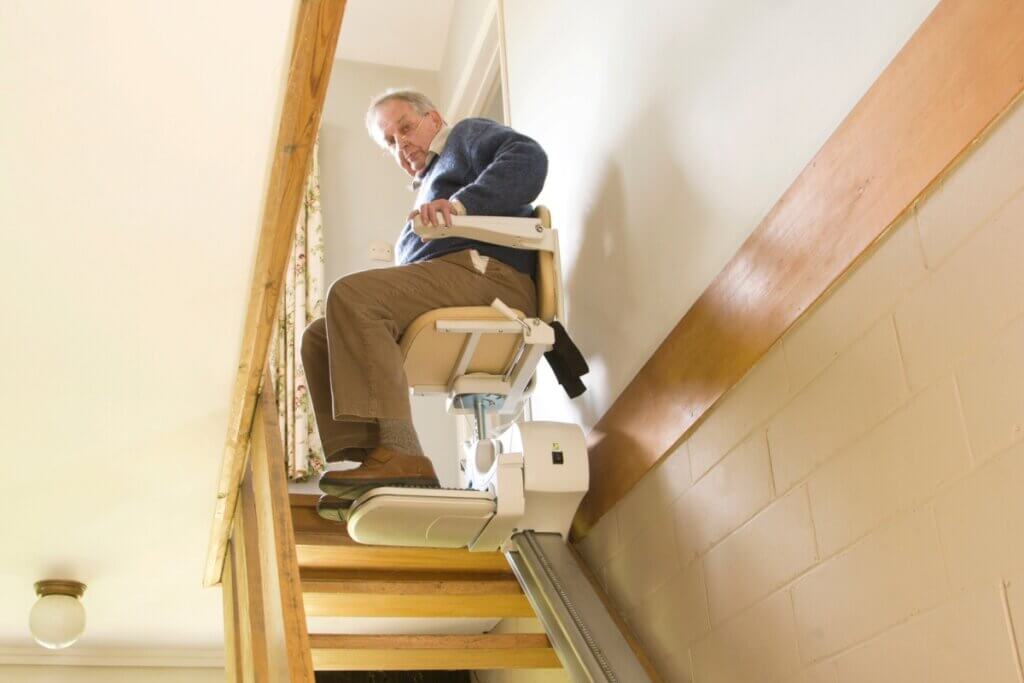
For many people, a stairlift is more than just a piece of equipment. It is an essential mobility aid that helps them move safely and comfortably around their home every day.
Like any mechanical system, stairlifts experience wear and tear over time. While they are built to be reliable and durable, regular servicing plays an important role in keeping them operating safely and efficiently. The challenge is that some maintenance issues develop gradually, meaning they are not always immediately obvious to the user.
Whether your stairlift is used occasionally or multiple times each day, understanding when servicing may be required can help prevent unexpected problems and maintain peace of mind.
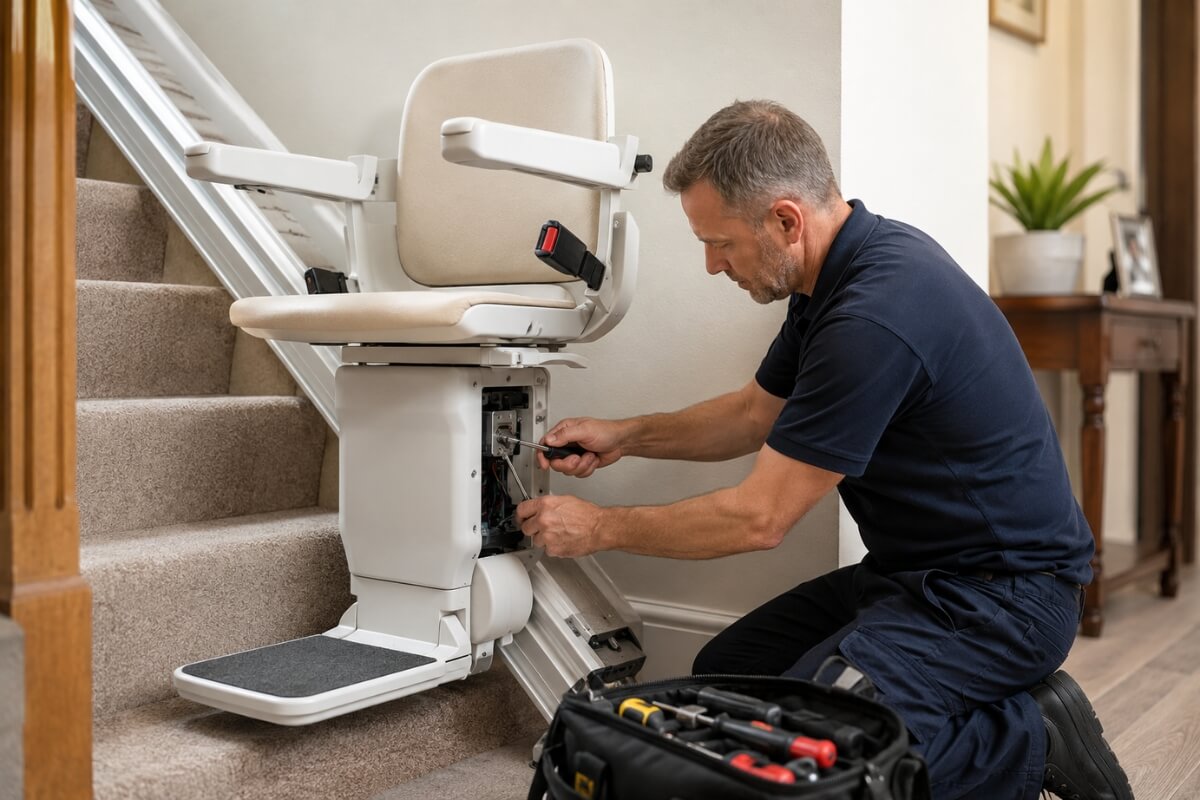
A stairlift contains a range of moving parts, electrical components and safety features that work together to provide a smooth and secure journey up and down the stairs.
Regular stairlift servicing helps ensure these components continue to perform as intended. During a service, an engineer can inspect key areas of the lift, identify signs of wear and make adjustments before small issues develop into larger problems.
One of the biggest benefits of routine stairlift maintenance is reliability. Many users depend on their stairlift daily, so unexpected breakdowns can be disruptive and stressful. Scheduled maintenance helps reduce the likelihood of faults and keeps the lift operating consistently.
Servicing also helps maintain important safety features. Sensors, seatbelts, charging systems and control mechanisms should all be checked periodically to ensure they are functioning correctly. Stairlift safety checks help provide reassurance that the equipment remains safe for everyday use.
In many cases, preventative maintenance is far more convenient and cost-effective than arranging emergency stairlift repairs after a breakdown has already occurred.
Even if your stairlift is still working, there may be subtle signs that indicate maintenance is required.
One common warning sign is unusual noises. If you notice grinding, clicking, rattling or squeaking sounds during operation, it could indicate that certain components need adjustment or inspection.
Changes in performance can also suggest a service is due. A stairlift that moves more slowly than normal, stops unexpectedly or feels less smooth during travel may benefit from professional attention.
Many modern stairlifts include warning lights or display panels that alert users to potential faults. If you notice flashing indicators, error messages or unexpected alerts, it is worth arranging an inspection rather than ignoring the issue.
The controls should also respond consistently. If remote controls become unreliable or buttons occasionally fail to respond, the system may require servicing.
Visible signs of wear should never be overlooked either. Damaged upholstery, loose fittings, worn armrests or concerns with the rail system can all indicate that maintenance is needed.
Battery-related issues can also occur over time. If your stairlift struggles to hold charge or appears to stop unexpectedly during use, the batteries or charging system may need professional assessment.
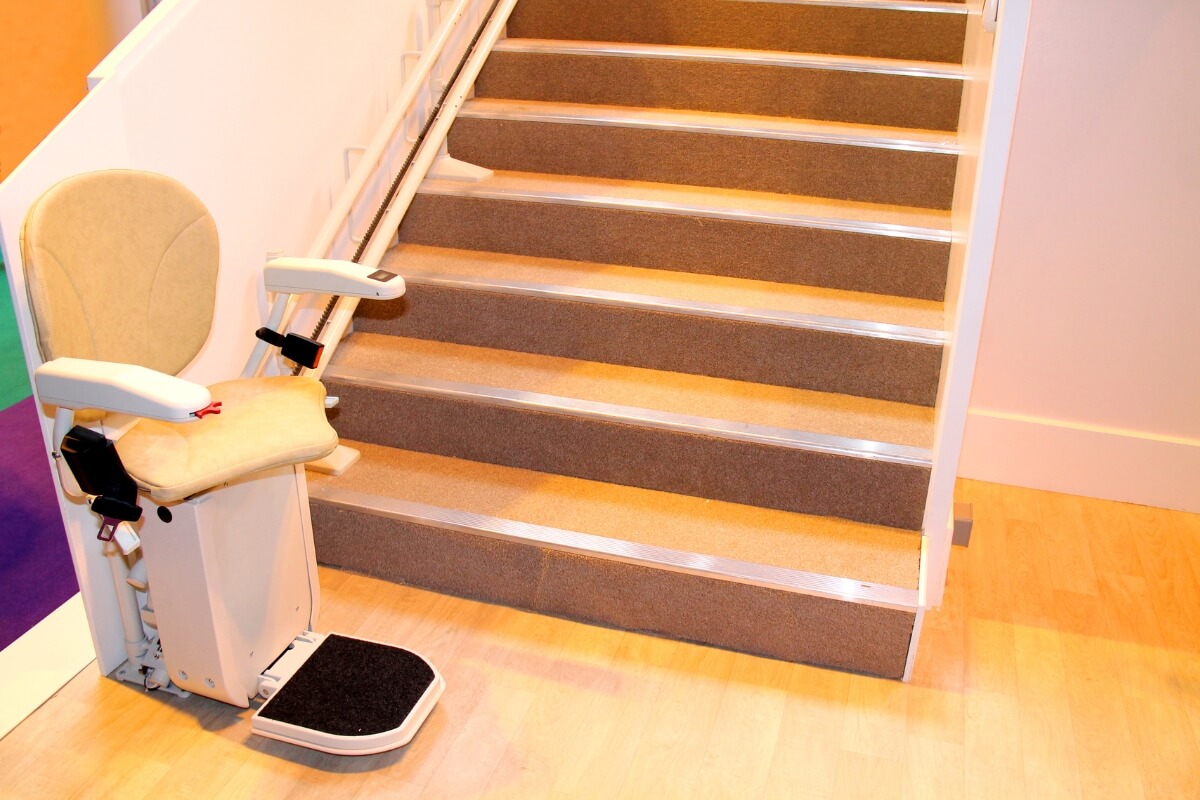
The recommended servicing schedule can vary depending on the manufacturer, model and frequency of use.
Many manufacturers recommend arranging stairlift servicing at least once a year. Annual servicing allows engineers to perform comprehensive inspections, test safety systems and ensure all components are functioning correctly.
However, households that use their stairlift frequently may benefit from more regular maintenance. A stairlift that is used numerous times every day naturally experiences greater wear than one used occasionally.
It is also important to review any warranty documentation or service agreements that accompany the stairlift. Some warranties may require regular servicing to remain valid.
Environmental factors can sometimes influence maintenance requirements too. For example, outdoor stairlifts are exposed to changing weather conditions and may require additional inspections to maintain optimal performance.
If you are unsure how often your stairlift should be serviced, consulting a professional stairlift provider can help you establish an appropriate maintenance schedule based on your specific model and usage patterns.
While there are a few simple checks users can carry out themselves, professional servicing offers a far more thorough assessment of the equipment.
Experienced engineers understand how different stairlift models operate and know what signs of wear to look for. They can often identify developing issues before they become noticeable to the user.
A professional service typically includes detailed stairlift safety checks, inspection of electrical components, testing of batteries and charging systems, examination of moving parts and assessment of overall performance.
This proactive approach helps maintain reliability and can reduce the risk of unexpected breakdowns.
Professional servicing may also help extend the working life of the stairlift. By keeping components properly adjusted and addressing minor issues early, unnecessary strain on the system can often be avoided.
For users who rely on their stairlift every day, the reassurance provided by regular servicing is invaluable. Knowing the equipment has been inspected by a qualified engineer can provide confidence that it will continue to operate safely and effectively.
In the long term, preventative stairlift maintenance can often prove more economical than waiting until a major repair becomes necessary.
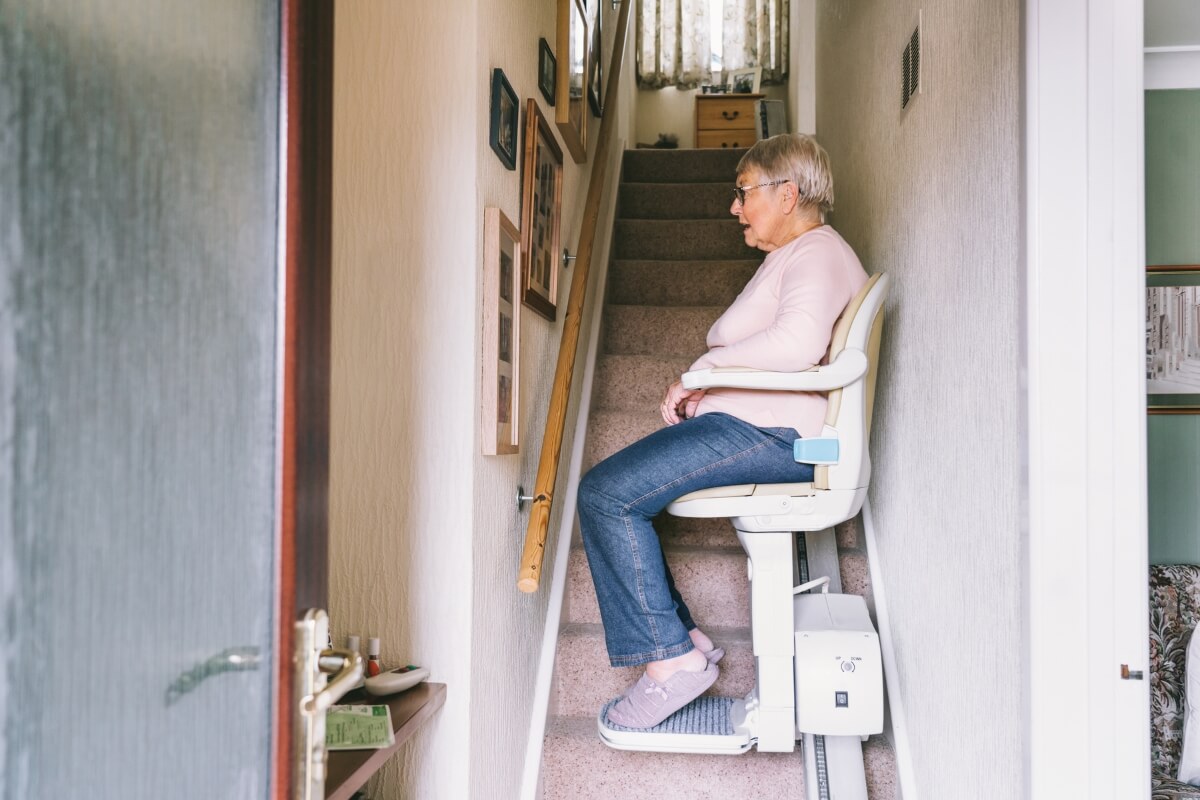
There are several common misunderstandings surrounding stairlift servicing.
One of the most common is the belief that a stairlift only needs attention when something goes wrong. In reality, preventative maintenance is designed to identify potential issues before they cause noticeable problems.
Another misconception is that a stairlift that appears to be working perfectly does not require servicing. However, many mechanical and electrical issues develop gradually and may not affect performance until they become more serious.
Some people also assume that servicing is an unnecessary expense. While there is a cost involved, regular maintenance can often help avoid more significant repair bills later by identifying faults early.
There is also a belief that all maintenance tasks can be carried out without professional assistance. While users can keep the stairlift clean and report any unusual behaviour, many internal components require specialist knowledge, tools and testing procedures.
Attempting complex repairs without the appropriate expertise may create additional problems and could compromise safety.
Professional stairlift servicing remains the safest and most effective way to ensure the equipment continues operating as intended.
Regular stairlift servicing is an important part of maintaining safe, reliable mobility within the home. While stairlifts are designed to provide years of dependable use, routine maintenance helps identify wear and tear before it develops into more serious issues.
Paying attention to warning signs such as unusual noises, performance changes or charging problems can help ensure any concerns are addressed quickly. Combined with regular professional inspections, this proactive approach supports both safety and long-term reliability.
If it has been some time since your last stairlift service, or you have noticed changes in how your lift operates, now may be the ideal time to arrange a professional inspection. A well-maintained stairlift can continue providing the comfort, confidence and independence that so many people rely on every day.
Need expert advice or looking to arrange a stairlift service? Contact the team at Love Stairlifts today to discuss your servicing requirements and help keep your stairlift operating at its best.

