

For people considering a stairlift, one of the most common questions is surprisingly simple. How fast do stairlifts go?
It is an understandable concern. Whether you are researching options for yourself or a loved one, you want to know what to expect from a stairlift before deciding. Some people worry that a stairlift might move too slowly and be inconvenient, while others are concerned that it could travel too quickly and feel unsafe.
The reality is that stairlifts are designed with comfort and safety as the priority. Rather than focusing on speed, manufacturers aim to create a smooth and controlled journey that helps users move confidently between floors.
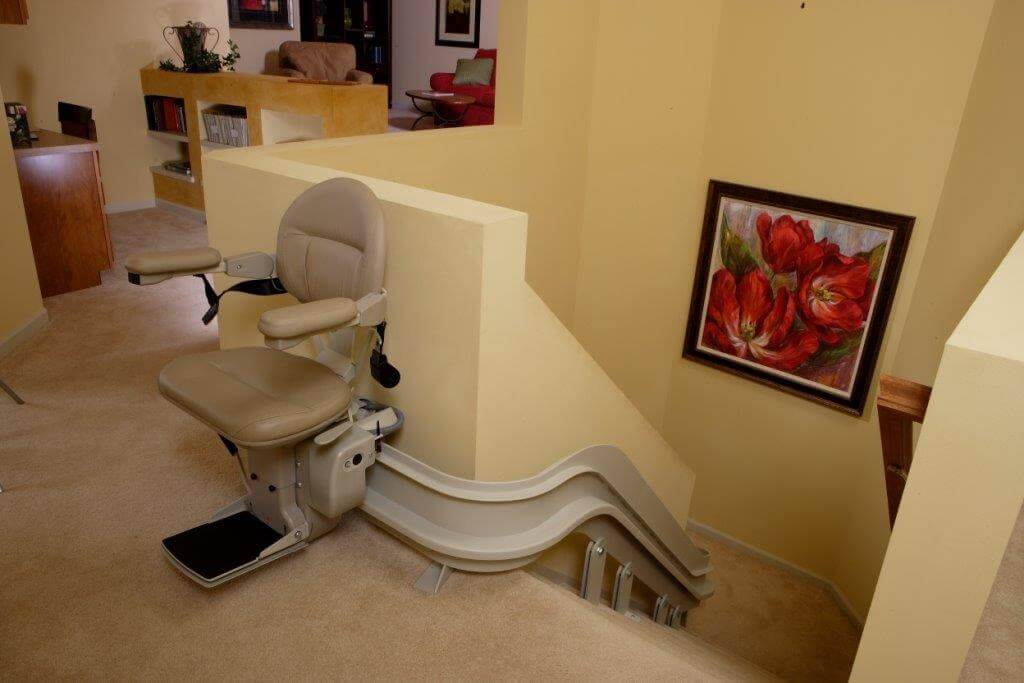
A stairlift is a mobility aid designed to help people travel safely up and down stairs. It consists of a chair attached to a rail that is fitted directly to the staircase. Using simple controls, the user can travel between floors without needing to climb the stairs themselves.
Most stairlifts include a motor, seat, footrest, armrests and easy to operate controls. Modern models also feature a range of safety functions designed to provide a secure and comfortable experience.
Residential stairlifts are commonly used by older adults, people recovering from injury and individuals with mobility conditions that make using stairs difficult. They can be installed in many different types of homes and often allow people to remain independent for longer.
For many users, a stairlift provides reassurance as well as convenience. Instead of worrying about navigating stairs each day, they can continue accessing every part of their home safely and comfortably.
When discussing stairlift speed, it is important to understand that these products are not designed to travel quickly. Instead, they are designed to provide safe and controlled movement.
Most residential stairlifts travel at a steady pace that allows users to feel secure throughout the journey. While exact speeds vary between manufacturers and models, stairlifts generally move at a similar rate because they are built to comply with safety standards.
Manufacturers carefully balance speed with comfort. A stairlift that moved too quickly could feel unsettling, particularly for users who have limited mobility or balance concerns. A controlled pace allows users to sit comfortably and feel confident throughout the journey.
The design of the staircase may also have a small impact on operation. Straight staircases often allow for simple, uninterrupted travel, while more complex layouts may require slight adjustments as the stairlift moves around bends and corners.
Although some people assume stairlifts are slow, most journeys only take a short amount of time. For users, the benefit of safe and reliable travel far outweighs the need to save a few extra seconds.
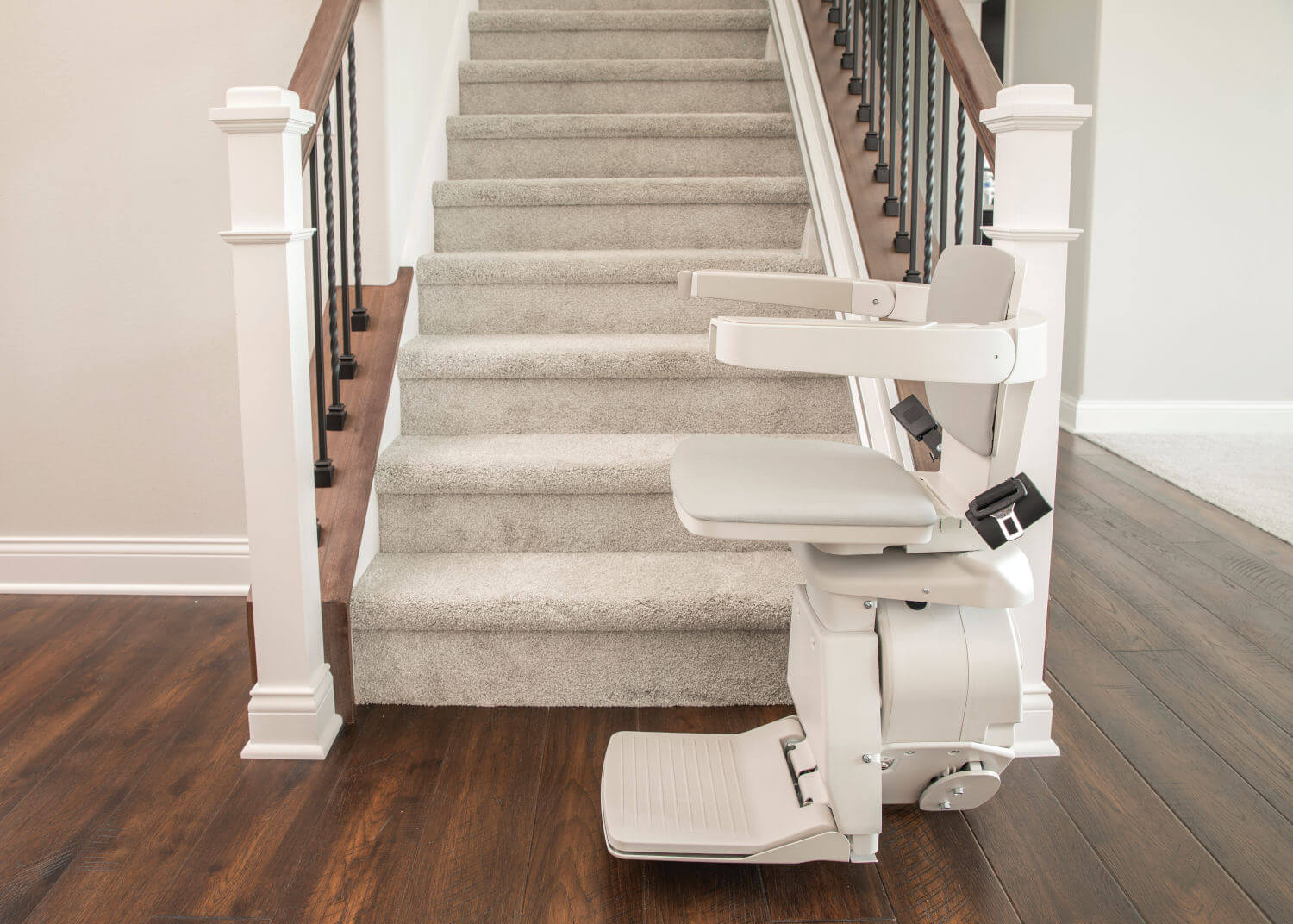
Not all stairlifts are the same and the right option will depend largely on the layout of your home and your individual mobility needs. Modern stairlifts are designed to work with a wide range of staircase configurations, from simple straight flights to more complex curved and outdoor installations.
While the overall stairlift speed remains focused on safety and comfort, different models may operate slightly differently depending on the route they need to travel and the features they include. Understanding the main types of stairlifts available can help you identify which solution is best suited to your property.
Straight stairlifts are fitted to staircases that run directly from one floor to another without any turns, bends or intermediate landings.
These are among the most common and straightforward stairlift installations. The rail follows a straight path, allowing the stairlift to travel smoothly between levels.
Because there are no corners to navigate, journey times are often very predictable. Operating speeds tend to be consistent across most models, providing a comfortable and reliable experience for users.
Straight stairlifts are often quicker to install than more complex systems, making them a popular choice for many homeowners.
Curved stairlifts are designed for staircases that include bends, turns or multiple landings.
Unlike straight models, curved stairlifts require a custom rail that follows the exact shape of the staircase. This allows the stairlift to move safely around corners while maintaining a smooth journey.
As the stairlift navigates bends, movement may feel slightly different compared to a straight staircase. However, the system is carefully designed to ensure comfort and stability throughout the journey.
A curved stairlift offers an effective solution for homes with more complex staircase layouts, allowing users to enjoy the same benefits of accessibility and independence.
For some households, purchasing a stairlift outright may not be the most suitable option. Rental stairlifts can provide a practical solution for people with short term mobility needs, those recovering from surgery, or families looking for a more flexible arrangement.
Most rental options are available for straight staircases, although some providers may offer rental solutions for certain curved installations. The stairlift itself operates in the same way as a purchased model, offering the same focus on comfort, reliability and stairlift safety.
Renting can be an effective way to improve accessibility without the larger upfront investment associated with ownership. If mobility needs are expected to change over time, a rental stairlift may offer greater flexibility while still providing safe and comfortable travel between floors.
While many people focus on how fast do stairlifts go, the more important question is why speed is carefully controlled in the first place.
The answer comes down to user experience. A stairlift should help people feel safe and confident while travelling between floors. Excessive speed could create discomfort, particularly for users who may already feel nervous about using the stairs.
Modern stairlifts are designed with smooth starts and gentle stops. Rather than sudden movements, they accelerate gradually and come to a controlled stop when reaching their destination. This helps create a more comfortable ride and reduces unnecessary strain on the user.
Safety systems also play an important role. Stairlifts include features such as obstruction sensors, seatbelts and emergency stop functions that work together to support safe operation.
Manufacturers spend significant time testing and refining their products to ensure they meet strict safety requirements. This means users can rely on a stairlift to provide consistent performance while prioritising comfort and security.
For most people, confidence and reliability are far more important than travelling a few seconds faster.
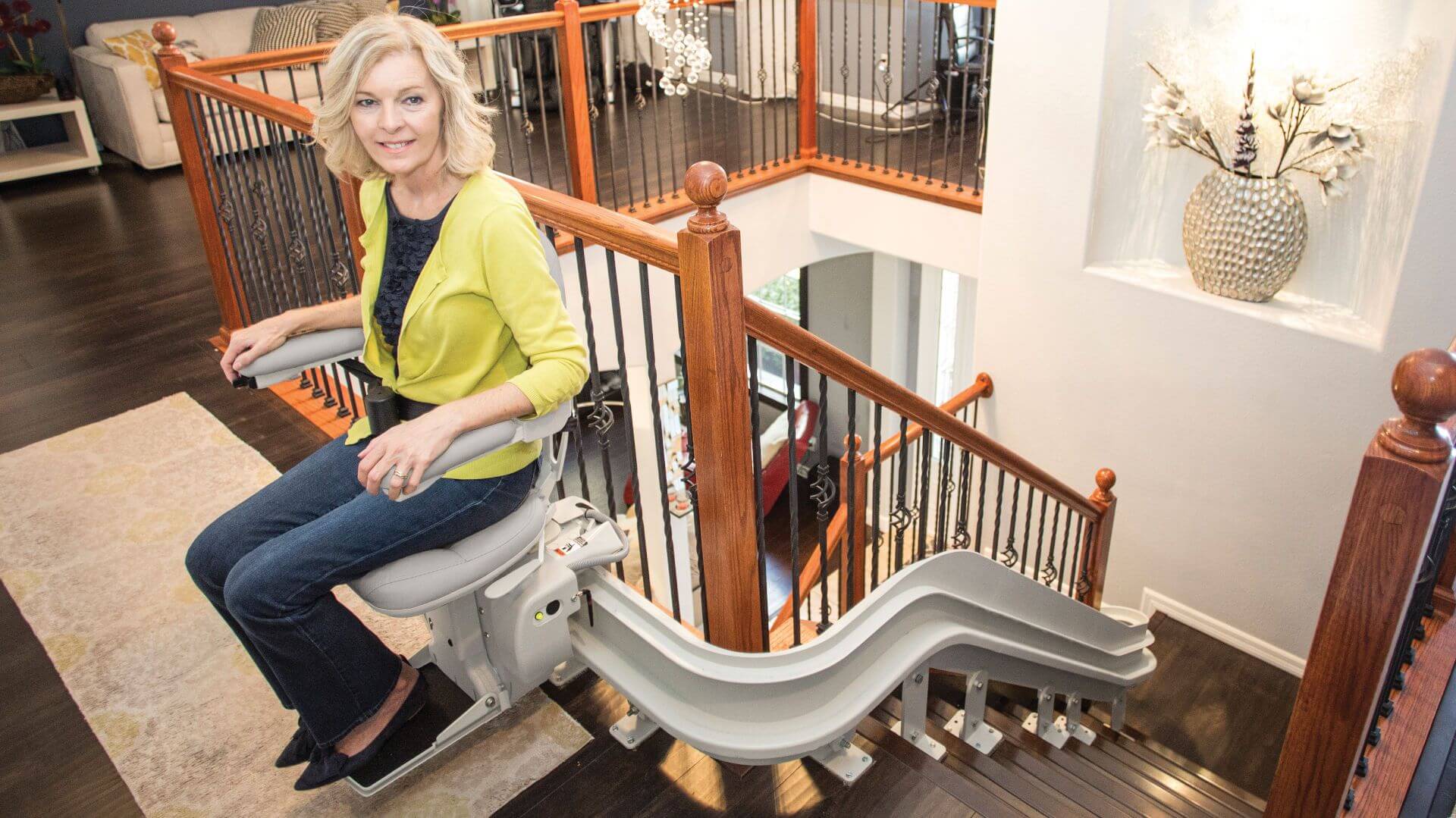
One common misconception is that stairlifts move extremely slowly.
While stairlifts are not designed to travel quickly, most journeys are completed in a relatively short amount of time. Many users find that travelling between floors takes less time than they expected.
Another misunderstanding is that a faster stairlift would automatically be better. In reality, increasing speed could reduce comfort and make the experience feel less secure. Controlled movement is often much more important than rapid travel.
Some people also assume that modern stairlifts operate differently depending on the manufacturer. While there can be small differences between models, most stairlifts are designed to operate within similar speed ranges because safety standards influence how they are built.
There is also a belief that larger staircases require significantly faster stairlifts. In practice, manufacturers focus on maintaining consistent performance regardless of staircase length, ensuring users receive the same safe and comfortable experience.
When researching stairlift speed, it is important to remember that comfort and safety are always the main priorities. Residential stairlifts are designed to travel at a controlled pace that allows users to move confidently between floors without feeling rushed or uncomfortable.
Whether you are considering a straight, curved or outdoor model, modern stairlifts are engineered to provide smooth and reliable operation while supporting independence at home. While different types of stairlifts may have slightly different characteristics, they all share the same goal of helping users move safely around their property.
If you would like advice on choosing the right stairlift for your home, contact the team at Love Stairlifts today. Our experienced specialists can arrange a free home survey and help you find a solution that suits both your staircase and your mobility needs.

