

Noticing changes in a loved one’s mobility can be difficult. Perhaps they’re taking longer to get up from a chair, holding onto furniture when walking around the house or becoming less confident on the stairs. You may be concerned about their safety, but bringing up the subject can feel like you’re questioning their independence, and that’s often the tricky part.
For someone experiencing mobility challenges, accepting that everyday activities are becoming more difficult can be emotional. The key is to approach the conversation with patience, empathy and respect, rather than making decisions on their behalf.
Having a supportive conversation can be the first step towards finding practical ways to make life at home safer and more comfortable, while helping your loved one maintain as much independence as possible.
Mobility challenges can affect many aspects of everyday life, from walking and standing to getting in and out of chairs or using the stairs.
For the person experiencing these challenges, these changes may be frustrating or upsetting. They may worry that admitting they are struggling means they will lose their independence or need more help than they would like.
This can make conversations about mobility issues particularly sensitive.
Rather than immediately suggesting solutions, start by trying to understand how your loved one feels. They may already be aware that certain activities are becoming more difficult, but simply haven’t felt ready to talk about them.
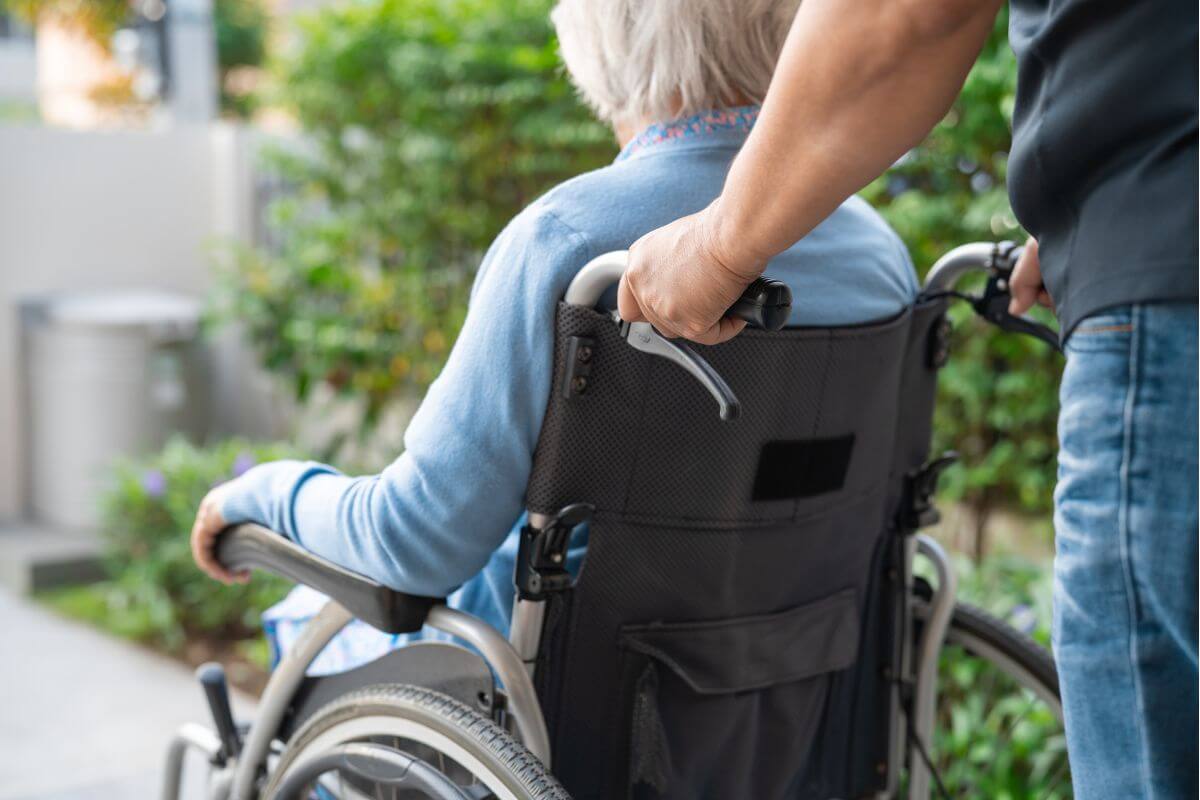
Mobility problems don’t always appear suddenly. Sometimes, small changes gradually become part of someone’s daily routine.
You might notice that your loved one:
These changes don’t necessarily mean someone needs significant support, but they can be worth paying attention to, particularly if they are affecting their safety, comfort or quality of life.
Timing can make a big difference.
Rather than raising the subject immediately after a fall or during a stressful moment, choose a calm time when you can talk privately without interruptions. A familiar and comfortable setting may also help your loved one feel more at ease.
Most importantly, don’t expect to solve everything in one conversation.
Give them plenty of time to explain how they feel and resist the temptation to rush towards a solution. Sometimes, simply knowing that someone has noticed and is there to help can be enough to start with.

Remember, the language you use matters.
Instead of focusing on what your loved one can no longer do, try asking open questions about how they are finding things. For example, you could ask whether they’ve been finding the stairs more difficult recently or whether they feel confident moving around the house.
Listen to their answer without interrupting or immediately trying to correct them.
It is also important to make the conversation collaborative. Your loved one should have a say in any decisions about their home, daily routine or mobility support. The goal is to help them feel more independent, not to take control away from them.
Don’t be surprised if your loved one doesn’t immediately agree that there is a problem.
They may respond with frustration, embarrassment or even denial. They might also be worried about becoming dependent on others, changing their home or needing additional assistance.
Try not to take this personally if they’re uncomfortable discussing their reduced mobility. Ensure you give them some space and return to the conversation later, as you don’t need to reach a decision during the first discussion.
The important thing is to keep the door open.
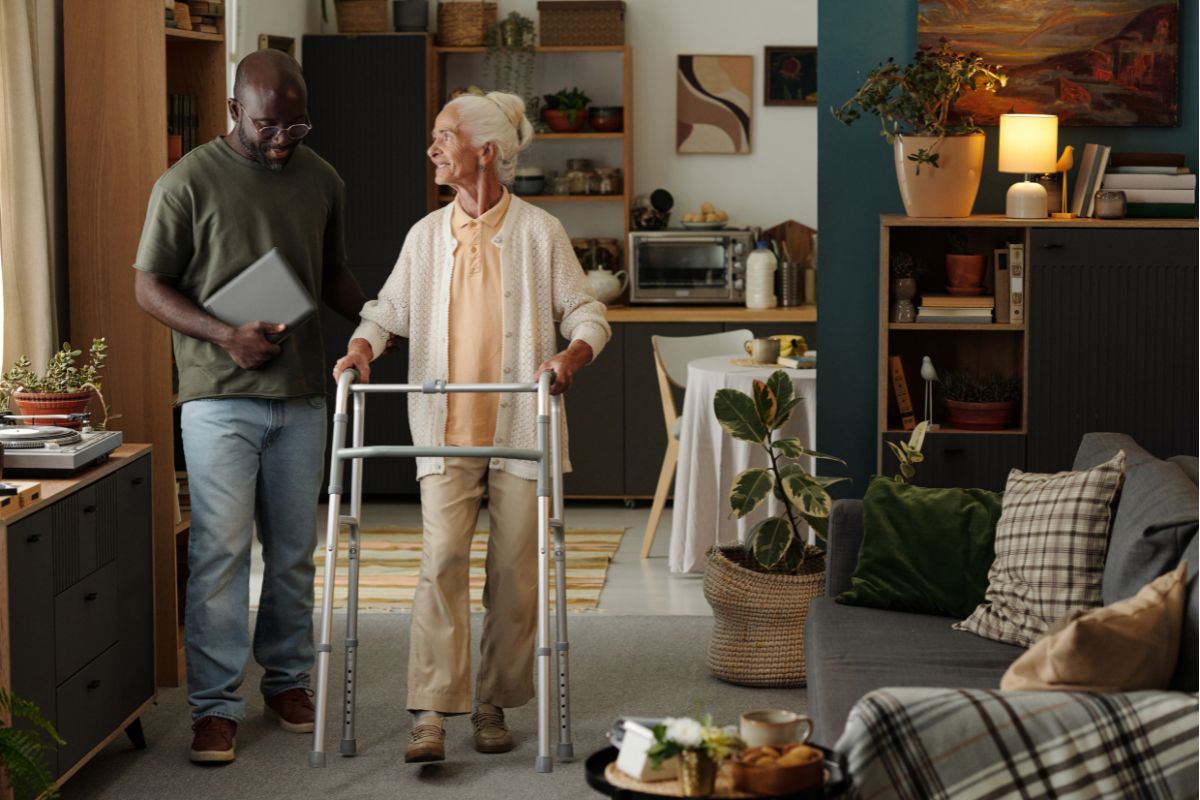
Offering support doesn’t have to mean doing everything for someone.
In fact, the most useful support may be something that allows your loved one to continue doing things for themselves. Ask what they would find helpful rather than assuming you know what they need.
This could be as simple as improving lighting, moving furniture to create clearer pathways or helping them find a walking aid that suits their needs.
Small changes can sometimes make a surprisingly big difference to someone’s confidence.
There are plenty of ways to make a home easier to navigate for someone experiencing mobility challenges.
Improved lighting can make potential hazards easier to spot, while handrails can provide additional support in key areas. Removing loose rugs and other trip hazards can also make walking around the home safer.
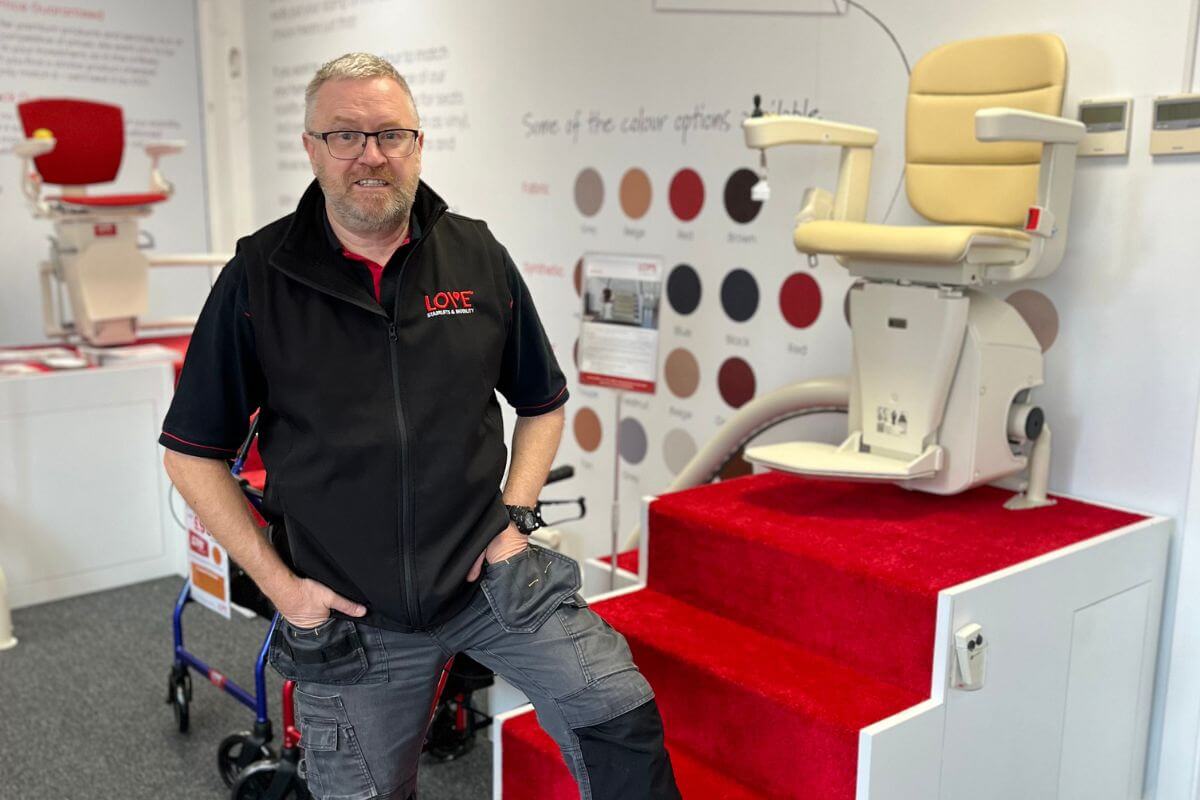
For someone who is finding the stairs particularly challenging, a stairlift could provide a practical way to move between floors without having to manage the stairs independently.
The right solution will depend on the individual’s needs, the layout of the property and how their mobility is changing. It’s worth considering options based on what would genuinely make everyday life easier rather than simply choosing the most obvious adaptation.
If mobility difficulties are becoming more frequent, affecting everyday activities or accompanied by falls or significant changes in balance, it may be appropriate to seek professional advice.
A healthcare professional can help assess concerns around mobility and balance, while a home assessment may identify areas where adaptations could improve safety and accessibility.
It’s often helpful to explore potential solutions sooner rather than later. This gives your loved one time to consider their options without feeling as though a decision has suddenly been made for them.
Above all, keep them involved throughout the process.
Talking about mobility challenges with someone you care about isn’t always easy, but it doesn’t have to be a difficult conversation either. Approaching the subject with empathy, patience and respect can help your loved one feel heard rather than judged.
Experiencing mobility problems doesn’t automatically mean giving up independence. With the right support and practical adaptations, there may be ways to make everyday activities more comfortable while helping someone continue to live confidently at home.
If mobility is beginning to affect your loved one’s daily life, contact our team at Love Stairlifts to discuss the options available. Our friendly team can provide advice on suitable stairlift solutions and help you understand what may work best for your loved one and their home.

