
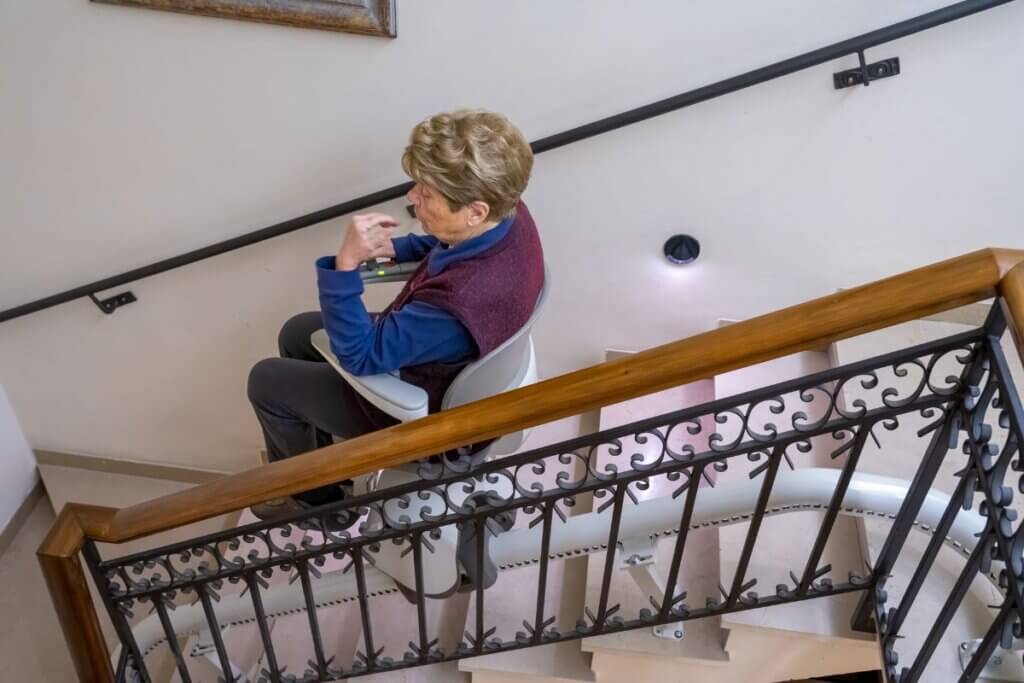
For many people considering a stairlift, one of the first questions is about the ongoing cost of running it. While installation is often the main focus, understanding the day-to-day energy use can also help homeowners plan ahead.
The good news is that modern stairlifts are designed to be extremely energy efficient. In most homes, the cost to run a stairlift is surprisingly low, often similar to running a small household appliance.
Electricity use is mainly influenced by a few simple factors, including how often the lift is used, how the battery charging system works and the length of the staircase. Fortunately, even with regular use, stairlift energy consumption tends to remain minimal.
In this guide, we explain typical stairlift running costs, how stairlifts use electricity and what you can do to keep energy usage low.
When researching home mobility equipment, many homeowners are relieved to discover that the stairlift running costs are very modest.
In the UK, most modern stairlifts cost only a small amount per year to operate. While the exact figure varies depending on usage and electricity prices, many estimates suggest that running a stairlift may cost around £10–£20 per year in electricity.
This is because stairlifts do not require large amounts of power to operate. The motor only runs for a short period of time while travelling up or down the stairs, and most of the energy used goes toward keeping the onboard battery charged.
To put this into perspective, the stairlift electricity usage is often comparable to charging a small household device, such as a cordless phone or laptop. For most households, the difference in energy bills is barely noticeable.
Considering the increased safety, independence and convenience a stairlift provides, the running cost is typically very small in comparison.
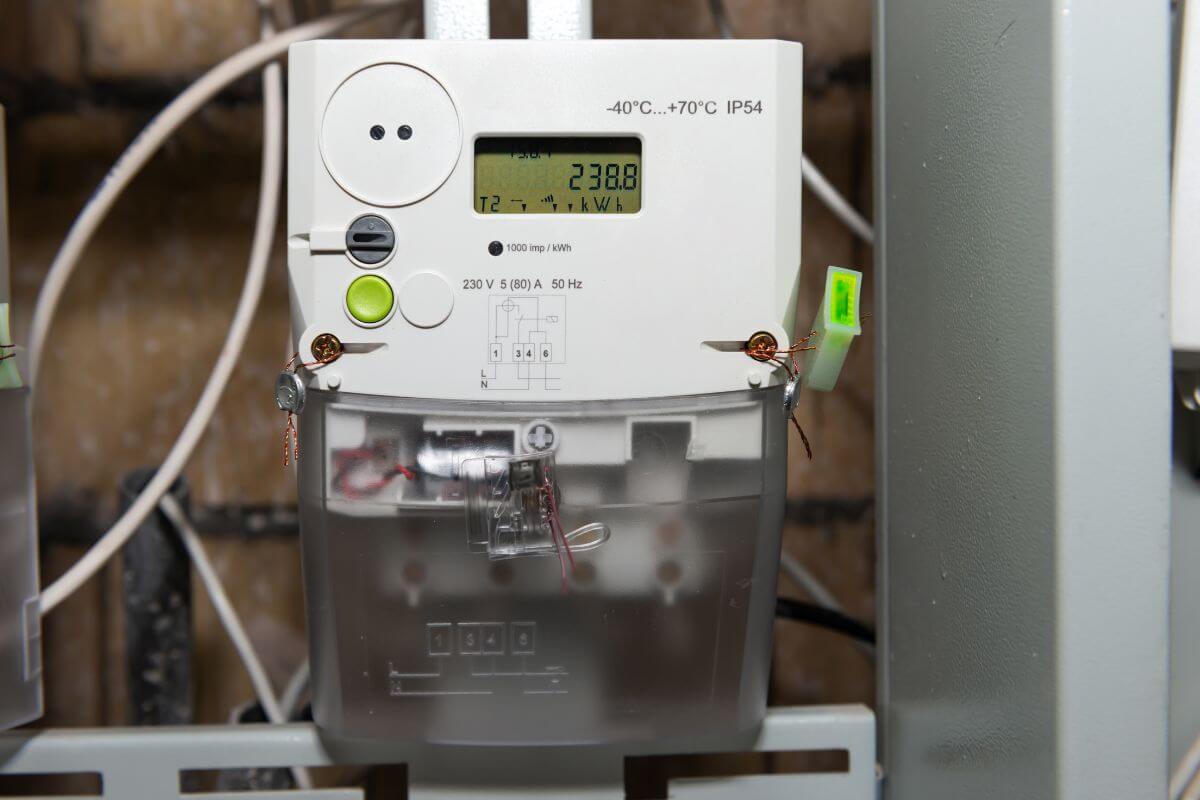
Many people assume a stairlift runs directly from household electricity every time it moves. However, most modern stairlifts actually operate using a battery system.
The battery is continuously charged through the mains power supply, usually via charging points located at the top and bottom of the stairlift rail. When the lift is parked at one of these points, the battery automatically recharges and remains ready for use.
Because of this system, electricity is mainly used for charging the battery, rather than for powering the lift during each journey.
The actual movement of the stairlift requires only a small amount of stored energy, meaning the overall stairlift electricity usage remains very low.
This design also means the stairlift can continue working even if there is a temporary power cut, which provides an extra level of safety and reliability.
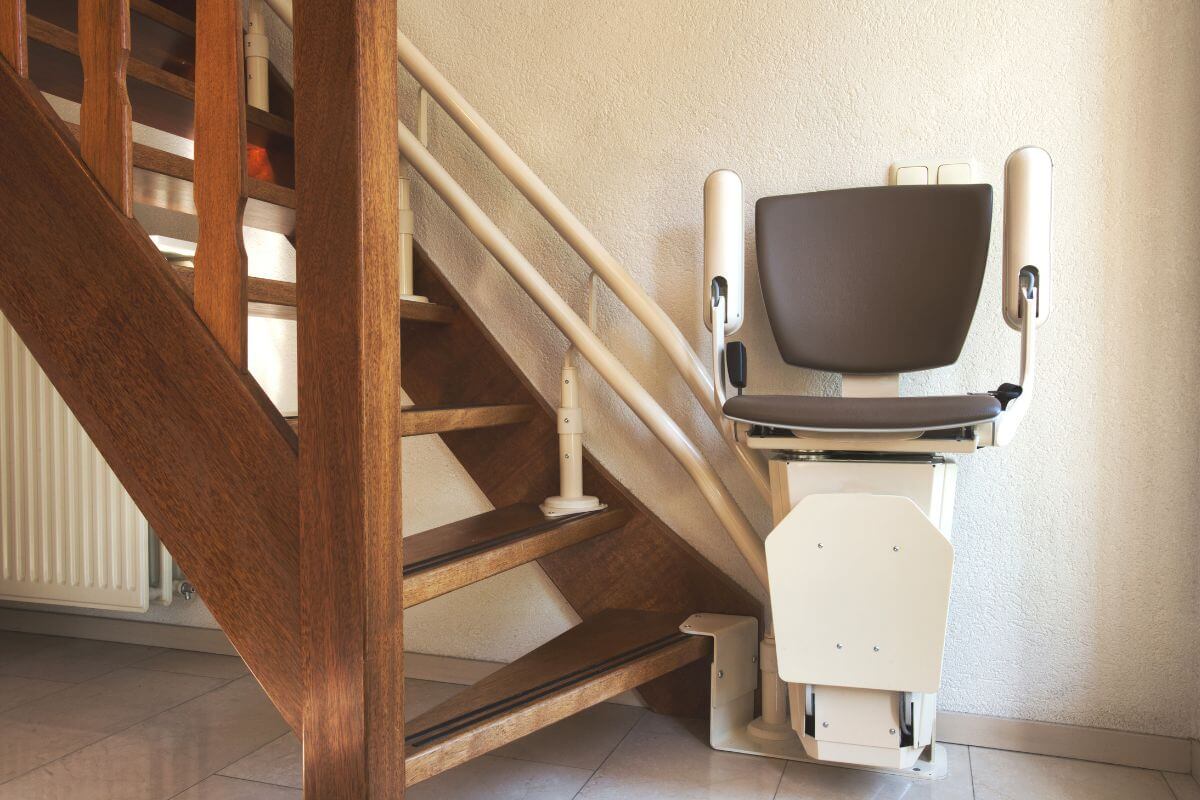
There are two main types of stairlift systems: battery-powered models and direct-power models.
Battery-powered stairlifts are by far the most common today. These systems store electricity in an onboard battery that is regularly recharged through the mains supply. This setup allows the stairlift to run smoothly and ensures it continues working even if the power goes out.
Because the battery is always being topped up while the lift is parked, the cost to run a stairlift remains very low.
Direct-power stairlifts, which run straight from the mains electricity supply, are much less common. These systems may draw slightly more electricity during use and cannot operate during a power cut.
For this reason, most modern home mobility equipment installations use battery-powered systems, as they offer better safety, reliability and energy efficiency.
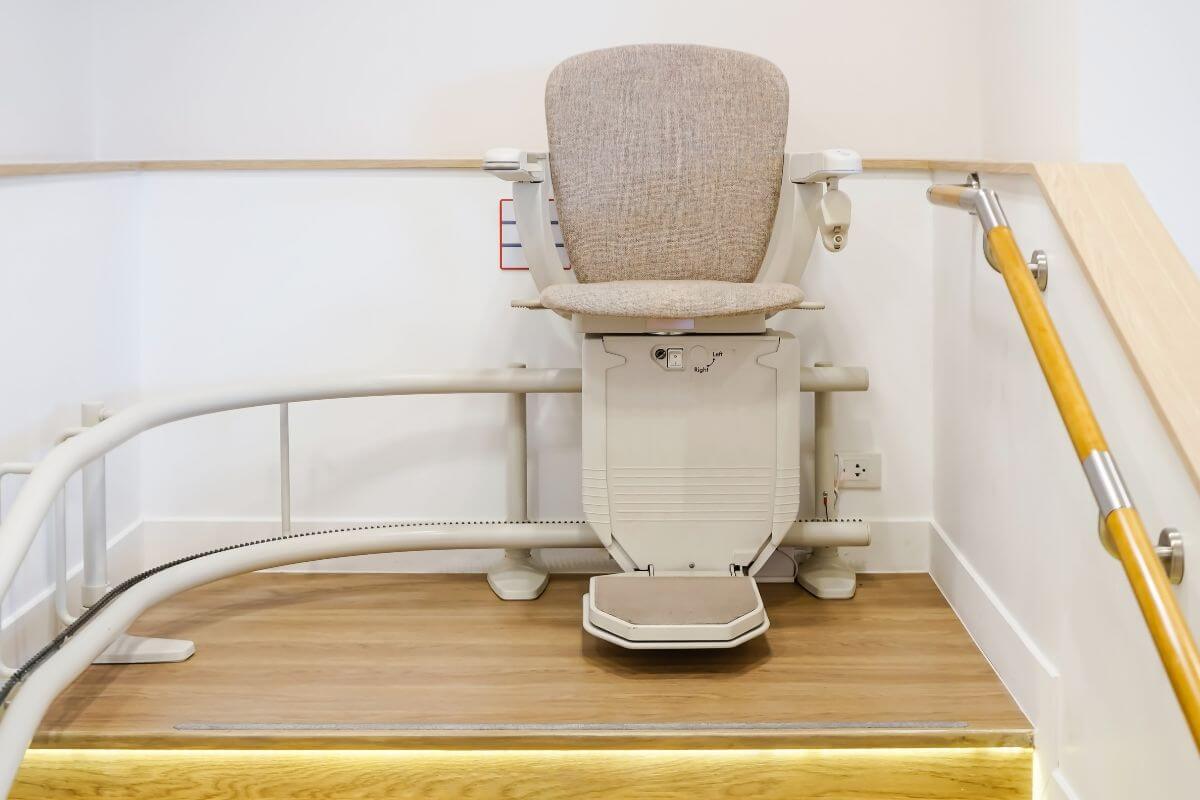
Although stairlift running costs are generally low, a few factors can influence how much electricity is used over time.
One of the most obvious factors is how frequently the stairlift is used. A stairlift used several times a day will naturally use slightly more electricity than one used occasionally. However, even with regular use, the difference in energy consumption is usually minimal.
The length and design of the staircase can also play a small role. Longer staircases or curved stairlift rails may require slightly more energy during each journey compared with a short, straight staircase.
Another factor is the condition of the battery. Over time, batteries can gradually lose efficiency, which may cause them to charge more often. Replacing the battery when recommended by a professional helps maintain optimal performance and energy efficiency.
Environmental conditions may also have a minor impact. For example, very cold environments can sometimes affect battery performance, although this is rarely an issue in typical indoor settings.

Even though the cost to run a stairlift is already very low, there are a few simple ways to keep energy use as efficient as possible.
One of the easiest steps is to make sure the stairlift is always parked at its designated charging point when not in use. This ensures the battery remains fully charged and ready for the next journey.
Regular servicing is also important. A professional service check helps keep the lift running smoothly and ensures all electrical components are operating efficiently.
Following manufacturer guidance about battery replacement is another helpful step. A healthy battery maintains efficient charging and prevents unnecessary energy use.
By combining good maintenance with proper charging habits, homeowners can ensure their stairlift electricity usage stays as low as possible.
In most homes, stairlift running costs are very low. Modern stairlifts use minimal electricity, with energy mainly used to keep the onboard battery charged.
Compared with many everyday appliances, the cost to run a stairlift is small, making it an efficient and practical piece of home mobility equipment.
If you’d like advice on stairlift installation or running costs, contact the team at Love Stairlifts today to discuss the best mobility solution for your home.

