
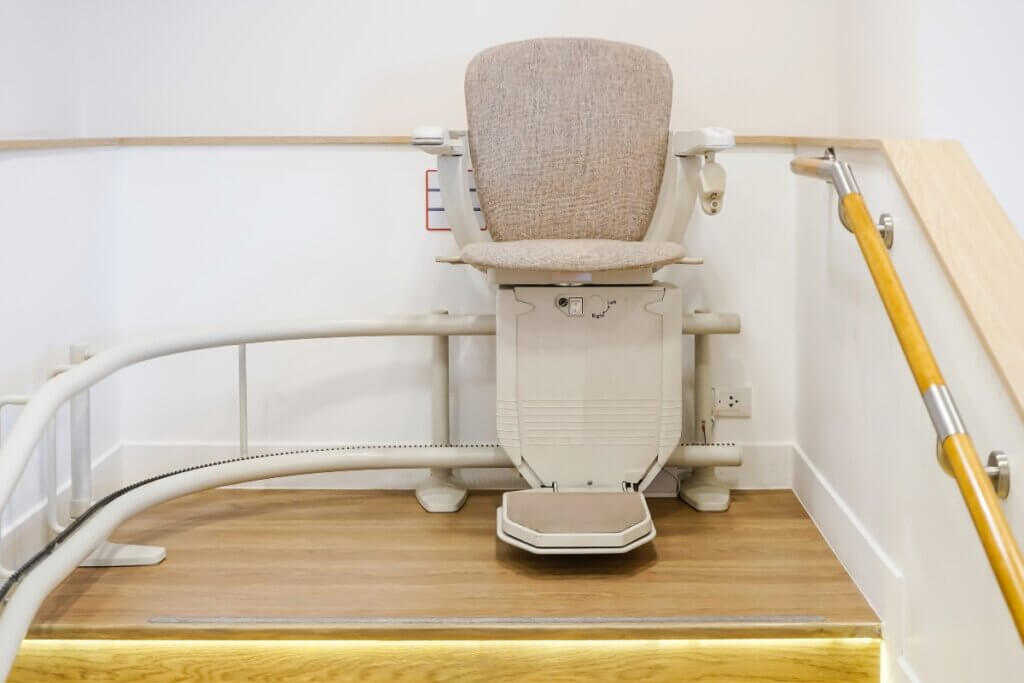
For many people, stairs are something we use every day without thinking twice. But as we get older, or if our mobility changes, going up and down the stairs can slowly become more difficult. It often happens gradually, so it is easy to brush off small struggles and tell yourself that everything is still fine.
In reality, these early signs are often your body’s way of telling you that extra support could make life safer and more comfortable. A stairlift is a practical home mobility solution that helps people continue using their whole home with confidence, without the worry of falls or strain.
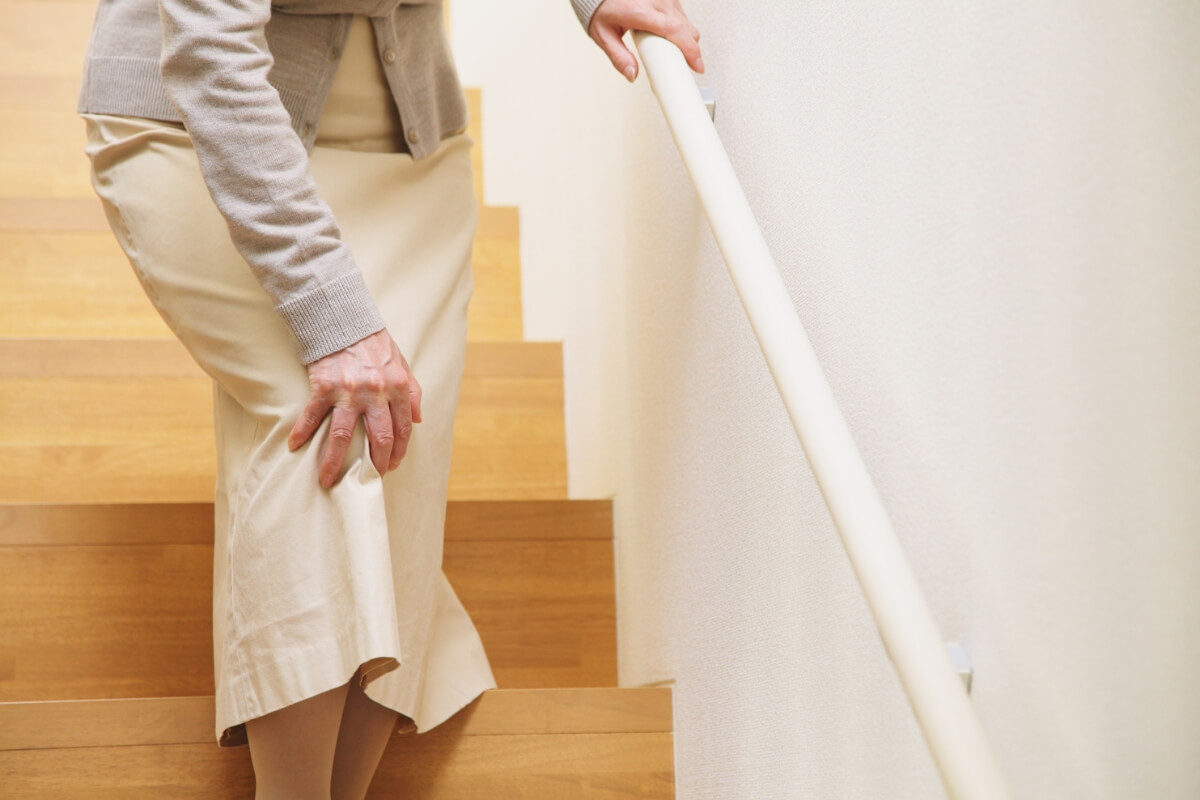
One of the first signs you may need a stairlift is simply finding the stairs harder than you used to. You might notice that you move more slowly, need to stop halfway to catch your breath, or feel tired by the time you reach the top.
Many people begin relying more heavily on handrails, gripping tightly for balance or using the wall for extra support. While this can help in the short term, it often shows that strength and stability are changing.
When climbing the stairs starts to feel like a daily challenge rather than a normal part of your routine, it can affect confidence. You may begin to worry about slipping or losing balance, even if nothing has happened yet. A stairlift for elderly users or those with reduced mobility can remove this daily strain and make moving between floors feel simple again.
Stairs put extra pressure on the body, especially on the knees, hips, back and ankles. If you live with arthritis, joint pain, breathing difficulties, or muscle weakness, climbing stairs can quickly become uncomfortable.
You may notice aching joints after using the stairs, shortness of breath, or general exhaustion that makes you avoid unnecessary trips upstairs. Over time, this fatigue can disrupt daily routines, such as getting dressed, using the bathroom, or going to bed.
Repeated pain should never be ignored. When every trip upstairs feels like hard work, it can reduce independence and enjoyment of your home. A stairlift allows you to move between floors without putting extra strain on your body, helping you save energy for the things that matter most.
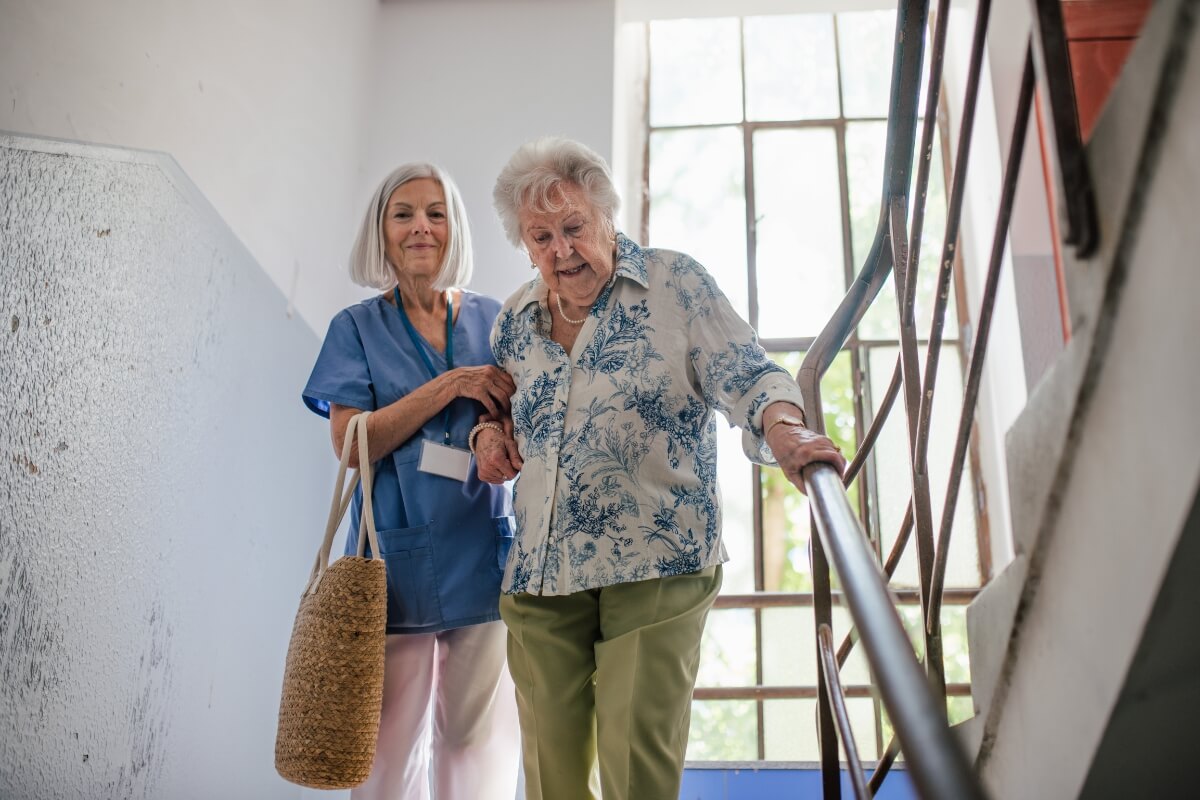
Feeling unsure on your feet is another important sign to watch for. You might find yourself hesitating at the top or bottom of the stairs, holding on tightly, or taking each step very carefully.
Fear of falling often develops after a small slip, a loss of balance, or simply noticing that your legs do not feel as steady as before. Even without a fall, this worry can slowly change behaviour. You may rush less, avoid carrying items upstairs, or only use the stairs when someone else is nearby.
Unfortunately, fear itself can increase risk. When you feel anxious, you are more likely to tense up, rush, or lose focus. Installing a stairlift removes the need to walk on the stairs at all, providing peace of mind for both users and their families.
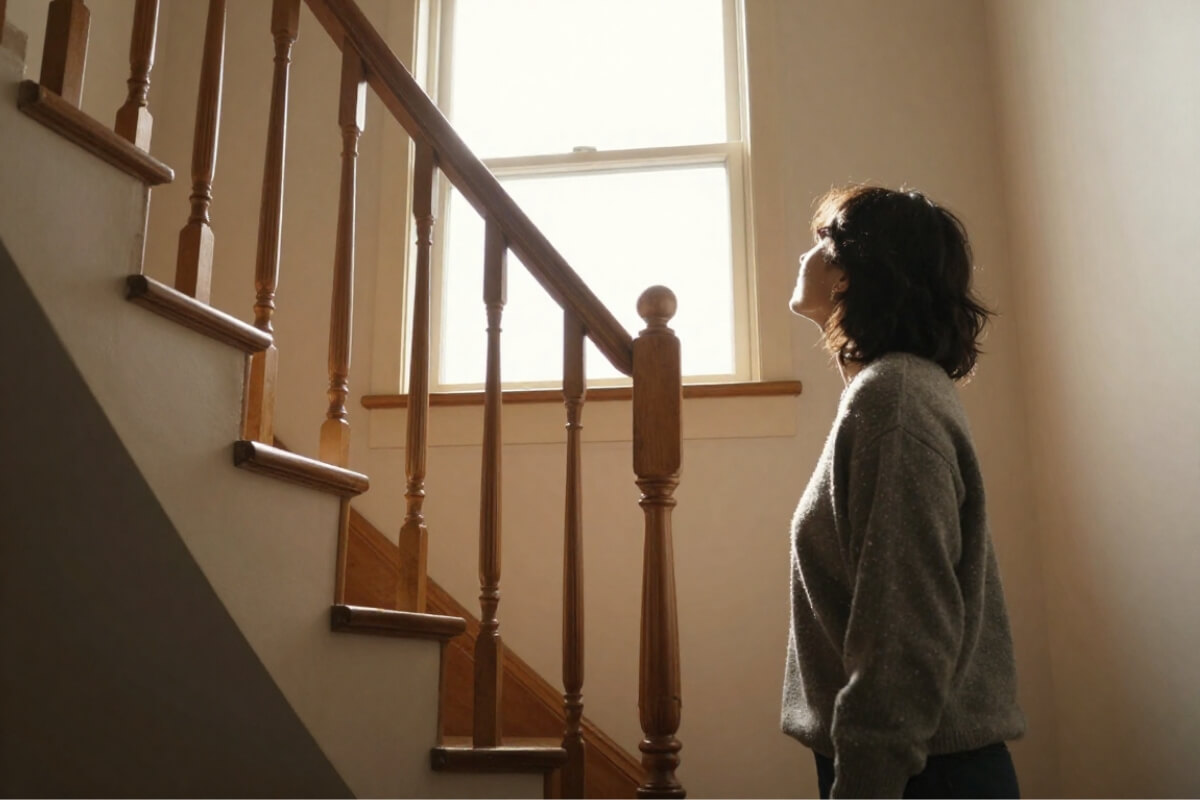
Many people begin adapting to mobility changes without realising it. One common sign is slowly avoiding parts of the home that require using the stairs.
You may start sleeping downstairs, using a different bathroom, or keeping clothes and personal items on the ground floor. While this can seem practical at first, it often means you are limiting your living space.
Over time, this can feel frustrating or upsetting. Bedrooms, bathrooms and quiet spaces upstairs are often important for comfort and privacy. Giving up access to them can affect quality of life.
A stairlift helps restore full use of your home. Instead of working around the stairs, you can continue enjoying every room safely and comfortably.
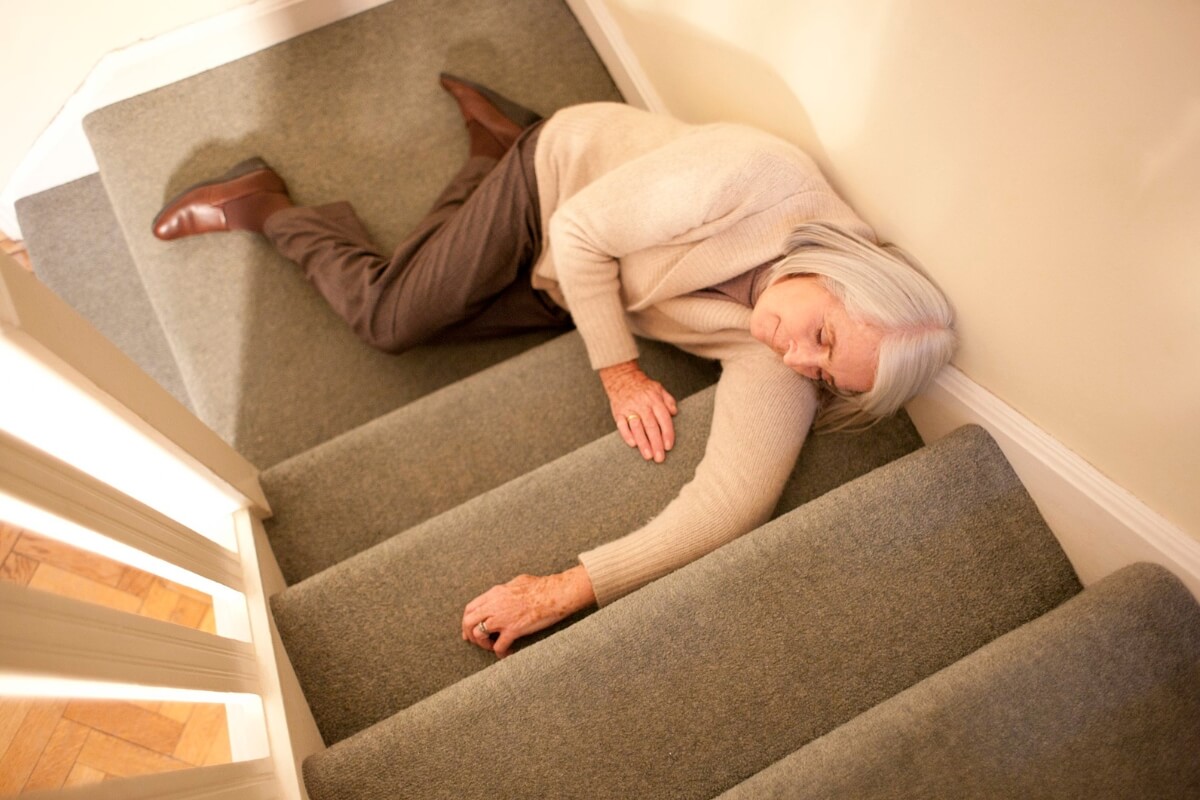
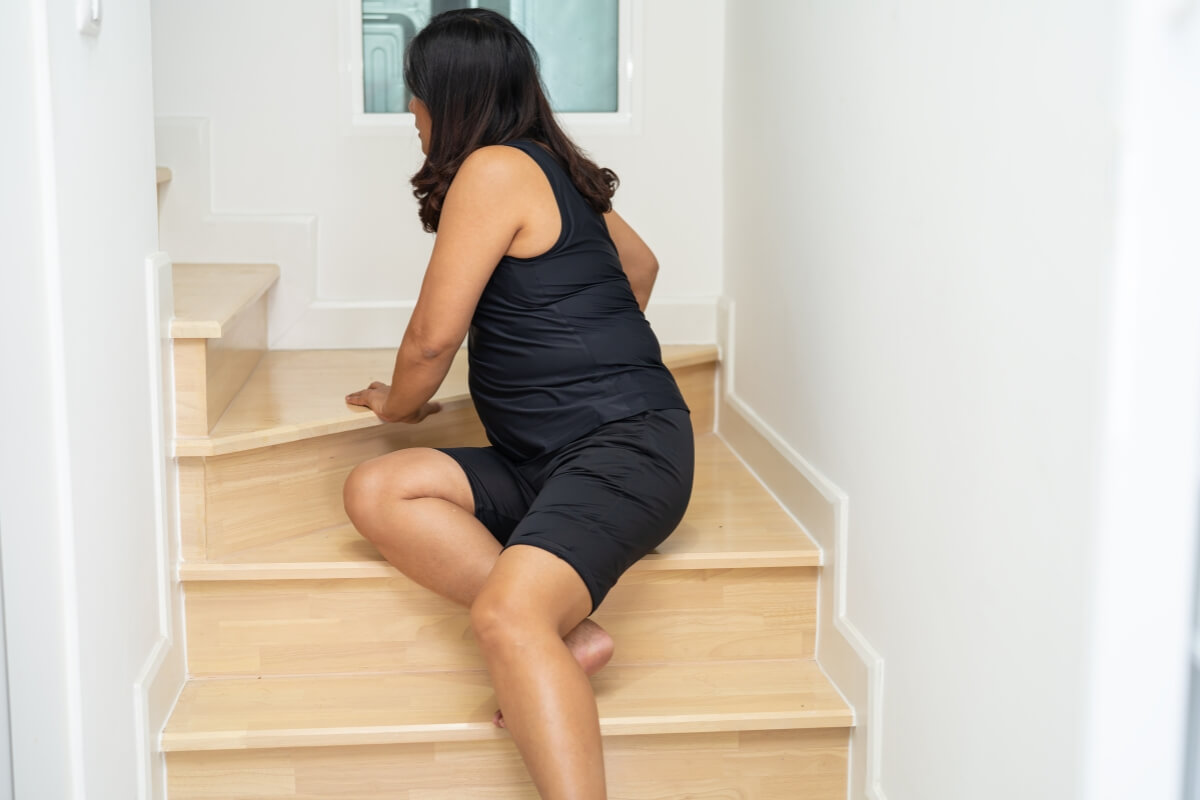
Falls on the stairs are one of the most serious warning signs. Even a minor slip can lead to injuries that take time to recover from, especially in later life.
Near misses are just as important. If you have tripped, slipped, or nearly lost your balance recently, it may be a sign that your mobility or reaction time is changing. These moments are often early indicators that something needs to change.
Repeated incidents increase the risk of serious injury and can damage confidence. Many people become more cautious after a fall, which may lead to reduced activity and independence.
Taking preventative action early can make a big difference. A stairlift removes the need to climb stairs altogether, greatly reducing the risk of future accidents and supporting long term safety at home.
Stairs becoming harder to manage is something many people experience at some point. Struggling daily, feeling pain or fatigue, worrying about balance, avoiding upstairs rooms, or experiencing falls are all important signs that extra support may be needed.
Recognising these changes early allows you to take control of your safety and comfort. A stairlift is not about giving up independence. In many cases, it helps people stay independent for longer by making everyday movement easier and safer.
If you or a loved one recognise any of these signs, it may be worth speaking to a stairlift specialist for friendly, no pressure advice. The team at Love Stairlifts can help you explore your options, answer your questions and find a solution that suits your home and needs. Get in touch today to arrange a free consultation and take the next step towards safer, more confident living at home.

