

Stairlifts play an important role in helping people remain independent and comfortable within their own homes. For individuals with mobility concerns, a stairlift can make daily life safer while reducing the physical strain of using the stairs.
When choosing a stairlift, one of the most important factors to consider is stairlift weight limits. Weight capacity affects not only safety, but also overall comfort, reliability and long-term performance. Selecting the right model helps ensure the stairlift operates smoothly and safely for everyday use.
Understanding the differences between standard and heavy-duty stairlift models can make the decision process easier.
Stairlift weight limits are designed to ensure safe and reliable operation. Every stairlift is manufactured and tested to operate within a specific weight range, helping the equipment perform correctly without placing unnecessary strain on the motor or rail system.
The weight capacity of a stairlift directly affects how smoothly it travels along the staircase. A model operating within its recommended limit is more likely to provide consistent movement, improved comfort and better long-term reliability.
Manufacturers test stairlifts to strict stairlift safety standards before installation. These tests help confirm that the equipment can support users safely during everyday operation. Choosing a stairlift with an appropriate weight capacity is an important part of maintaining those safety standards within the home.
Selecting a stairlift that suits the user’s needs also helps reduce wear on components over time. A correctly matched stairlift is likely to perform more efficiently while requiring fewer maintenance issues in the future.

Most standard stairlifts are designed to support a wide range of mobility needs and commonly offer weight limits between 18 and 25 stone, depending on the model and manufacturer. However, exact stairlift weight capacity figures can vary between products.
Straight stairlifts and curved stairlifts may also have different limits due to differences in rail design and installation requirements. Straight stairlifts often support slightly higher capacities because of their simpler rail structure, while curved stairlifts are built around the shape and layout of the staircase.
It is important to remember that specifications vary across manufacturers. Some models are designed specifically for compact staircases, while others prioritise wider seating or enhanced support features for additional comfort.
Checking product guidance carefully before purchasing is essential. A professional stairlift survey can also help homeowners understand which models are suitable for their staircase layout and mobility needs.
For users who would benefit from additional space or support, a heavy-duty stairlift may be a more suitable option. These stairlifts are designed with reinforced components and larger seating areas to provide improved comfort and stability.
Compared to standard models, heavy-duty stairlifts usually feature:
Some heavy-duty stairlift models can support significantly higher weight limits than standard alternatives. However, these models may require more staircase space because of their larger frame and seating design.
Choosing between a standard and heavy-duty stairlift depends on several factors, including the user’s mobility requirements, comfort preferences and the available staircase width. A properly fitted stairlift should provide enough space for safe and comfortable travel between floors.
Specialist stairlift options can improve accessibility while helping users feel more secure and confident in their home environment.
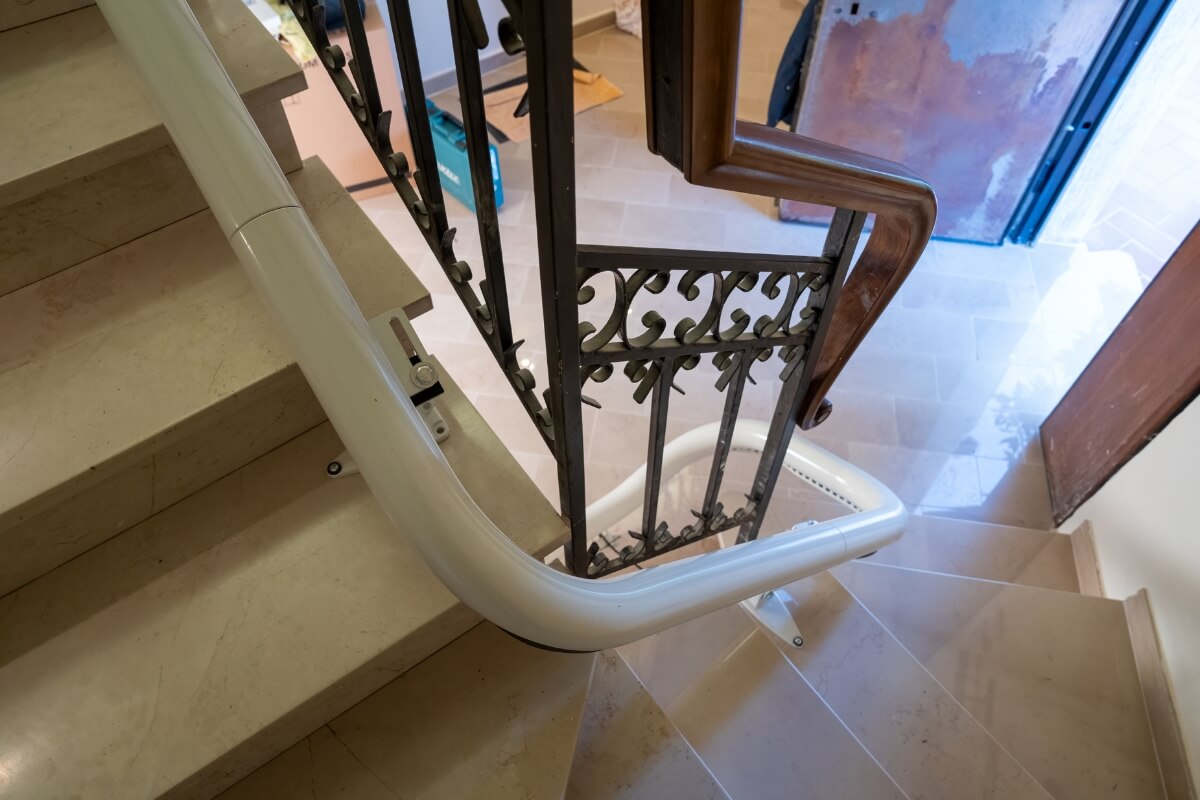
Several design and installation factors influence stairlift weight limits. One of the most important is motor strength. More powerful motors are generally required to support higher capacities safely and consistently.
Rail design also affects capacity. Straight rails are often able to handle greater loads more easily due to their simpler structure, while curved systems may require additional engineering to navigate bends and corners safely.
The staircase itself can also influence suitability. Narrow staircases, steep angles or complex layouts may limit the types of stairlift models that can be installed comfortably.
Other considerations include seat size, track configuration and overall user comfort. A stairlift should not only support the required capacity safely, but also provide enough space for easy transfers on and off the seat.
This is why a professional assessment before stairlift installation is so important. Experienced stairlift specialists can assess the property, mobility needs and staircase layout before recommending the most suitable solution.
Exceeding the recommended stairlift weight limits can affect both safety and performance. Stairlifts are designed to operate within specific load ranges and placing too much strain on the system may affect how smoothly it functions over time.
Additional pressure on the stairlift can increase wear on the motor, batteries and rail system. This may reduce performance, lead to uneven movement or increase the likelihood of maintenance issues developing sooner.
In some cases, the stairlift’s built in safety features may stop the equipment from operating correctly if the recommended limits are exceeded. This can create inconvenience while also affecting reliability within the home.
Following manufacturer guidance is essential for maintaining safe operation. Stairlift safety should always remain the priority when selecting and using mobility equipment.
Choosing a stairlift with an appropriate weight capacity from the start helps ensure smoother performance and longer lasting reliability.
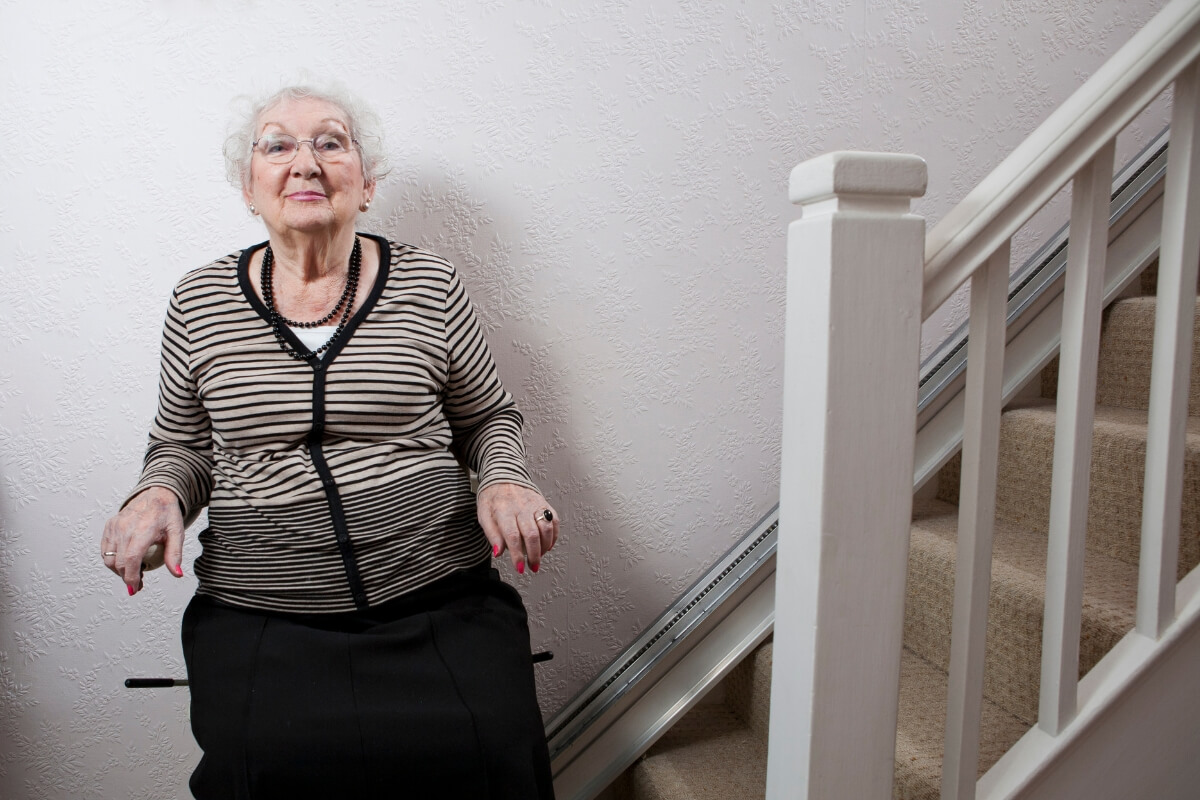
Choosing the right stairlift involves more than simply selecting a model that fits the staircase. It is important to consider the user’s current mobility needs, comfort preferences and any future accessibility requirements.
A professional stairlift survey helps identify which models are suitable for the home. During the assessment, stairlift specialists will review the staircase layout, available space and any specific mobility considerations.
Thinking ahead is also valuable. Mobility needs can change over time, so choosing a model that offers flexibility and long-term support may help avoid additional adjustments later.
Working with a trusted stairlift provider ensures expert guidance throughout the process. Professional advice helps homeowners understand the available options while ensuring the final recommendation supports both safety and comfort.
Professional stairlift installation is one of the most important parts of achieving safe and reliable performance. Correct installation helps ensure the stairlift operates smoothly while meeting all required safety standards.
Experienced stairlift specialists can recommend suitable models based on the user’s mobility needs, staircase type and overall accessibility requirements. This personalised approach helps reduce the risk of choosing unsuitable equipment.
Ongoing servicing and maintenance also play an important role in long term reliability. Regular inspections help identify signs of wear early while keeping the stairlift operating safely and efficiently.
Working with experienced professionals provides reassurance throughout the entire process, from initial assessment through to installation and aftercare support.
Understanding stairlift weight limits is an important part of choosing the right mobility solution for your home. Weight capacity affects safety, comfort and long term stairlift performance, making it essential to select a model that suits both the user and the property.
Standard and heavy-duty stairlift models offer different features and capacities, so professional guidance can help identify the safest and most suitable option for individual needs.
If you are considering a stairlift installation, contact the team today for expert advice and support. Our experienced team can help you find a stairlift solution that improves safety, comfort and independence within your home.

